

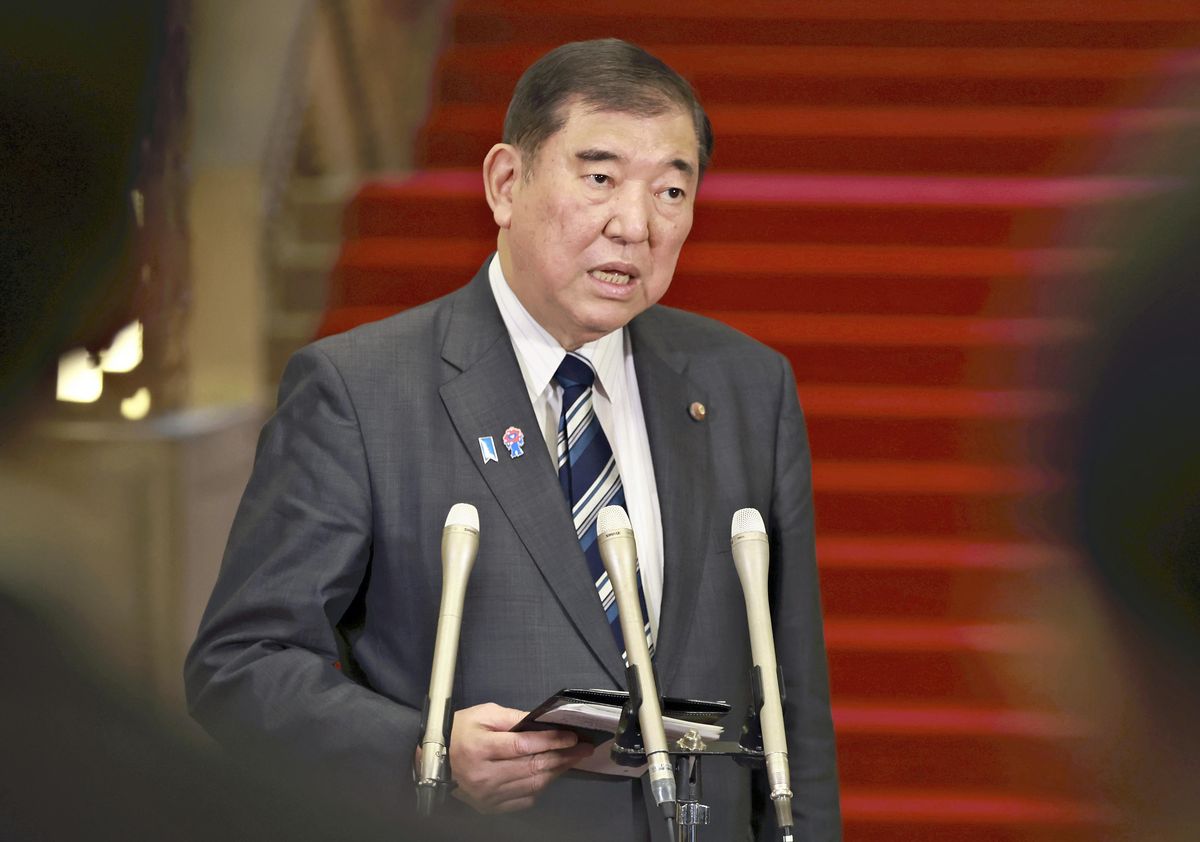
Background of the Trade Dispute
In recent months, the ongoing negotiations between the United States and Japan over trade terms have taken center stage on the global economic stage. At the heart of these negotiations lies the contentious issue of tariffs, specifically those levied on automobiles. The U.S. has been pushing for broader trade agreements that include significant tariff reductions, aiming to foster better economic ties and better market access for American goods.
Japan, on the other hand, has shown a much more cautious stance, emphasizing the importance of protecting its vital automotive industry. This industry is a cornerstone of the Japanese economy, employing millions and contributing substantially to exports. As negotiations have intensified, the U.S. sought to include auto tariff cuts as a key component of the broader trade deal, but Japan has firmly rejected this proposal, citing concerns over economic sovereignty and the potential impacts on its domestic industry.
Details of Japan’s Rejection
The core reason behind Japan’s rejection stems from its unwillingness to agree to auto tariff cuts under the current terms advocated by the United States. According to Profit by Pakistan Today, Japan remains steadfast on not conceding to auto tariff cuts without other accompanying trade benefits or safeguards.
Japanese Perspectives and Economic Considerations
Protecting Key Industries
Japan’s automotive sector is a major contributor to the country’s economy, accounting for a significant portion of exports and employing a large workforce. The industry is highly integrated into global supply chains, making tariff reductions a complex issue. Japanese policymakers are wary of prematurely opening their markets without assurances that domestic industries will be protected from increased competition or potential job losses.
Trade Sovereignty and National Interests
For Japan, trade negotiations are seen through the lens of national sovereignty. They prefer to negotiate trade terms that serve their economic interests first and foremost. The firm stance against auto tariff cuts without substantial reciprocal concessions demonstrates Japan’s resolve to safeguard its economic sovereignty.
The Impact on U.S.-Japan Relations
The rejection has strained the relations between the two nations, with the U.S. expressing disappointment over Japan’s unwillingness to compromise. The negotiations exemplify the broader tensions that define current international trade dynamics, where economic interests often clash with political and strategic considerations.
Experts suggest that this stand-off could lead to increased tariffs or other trade barriers, which might escalate into a trade war if not resolved diplomatically. The situation underscores the delicate balance countries must maintain in negotiating trade agreements that benefit their own economies while maintaining strong bilateral relations.
Broader Implications for Global Trade
The current impasse between the U.S. and Japan has reverberations beyond their bilateral trade relations. It highlights the challenges faced by the global economy as countries attempt to renegotiate trade agreements in the face of rising protectionist sentiments. The importance of auto tariffs as leverage in trade negotiations has become evident, with countries increasingly viewing tariffs as tools to secure broader economic objectives.
This dispute also raises questions about the future of multinational trade pacts, particularly as major economies prioritize domestic industries and strategic interests over international cooperation. The possibility of increased tariffs and trade barriers could threaten global supply chains and slow down economic growth worldwide.
What’s Next?
Both Japan and the U.S. remain committed to safeguarding their economic interests, but the path forward is uncertain. Diplomatic negotiations are expected to continue, with each side likely to seek a compromise that balances market access with industry protection.
In the meantime, businesses and investors watch the developments with keen interest, understanding that unresolved trade tensions could impact markets, investments, and economic stability in the coming months.
There is also a growing call from certain sectors within Japan to maintain a firm stance, further complicating negotiations. U.S. policymakers, meanwhile, might have to reconsider their strategies, including the possibility of applying additional pressure through tariffs or trade agreements elsewhere.
Conclusion
The rejection of the U.S. trade deal by Japan over auto tariff cuts underscores the complexities and sensitivities involved in modern trade negotiations. While economic diplomacy aims at creating mutually beneficial agreements, deeply rooted national priorities often act as barriers to swift resolution. Both nations must navigate these challenges with diplomacy and a willingness to compromise for long-term economic stability.
This situation also serves as a broader lesson for countries across the globe, emphasizing the importance of protecting key industries while engaging in international trade negotiations. As the geopolitical landscape evolves, the pursuit of fair, balanced trade agreements remains one of the most critical issues shaping the future of global commerce.
Final Thoughts
In the end, the resolution of this trade dispute will likely set important precedents for future negotiations, not just between the U.S. and Japan, but across the international community. It highlights the ongoing tension between economic nationalism and globalization, a debate that will undoubtedly continue for years to come.
For more updated news please keep visiting Hourly Prime News.