

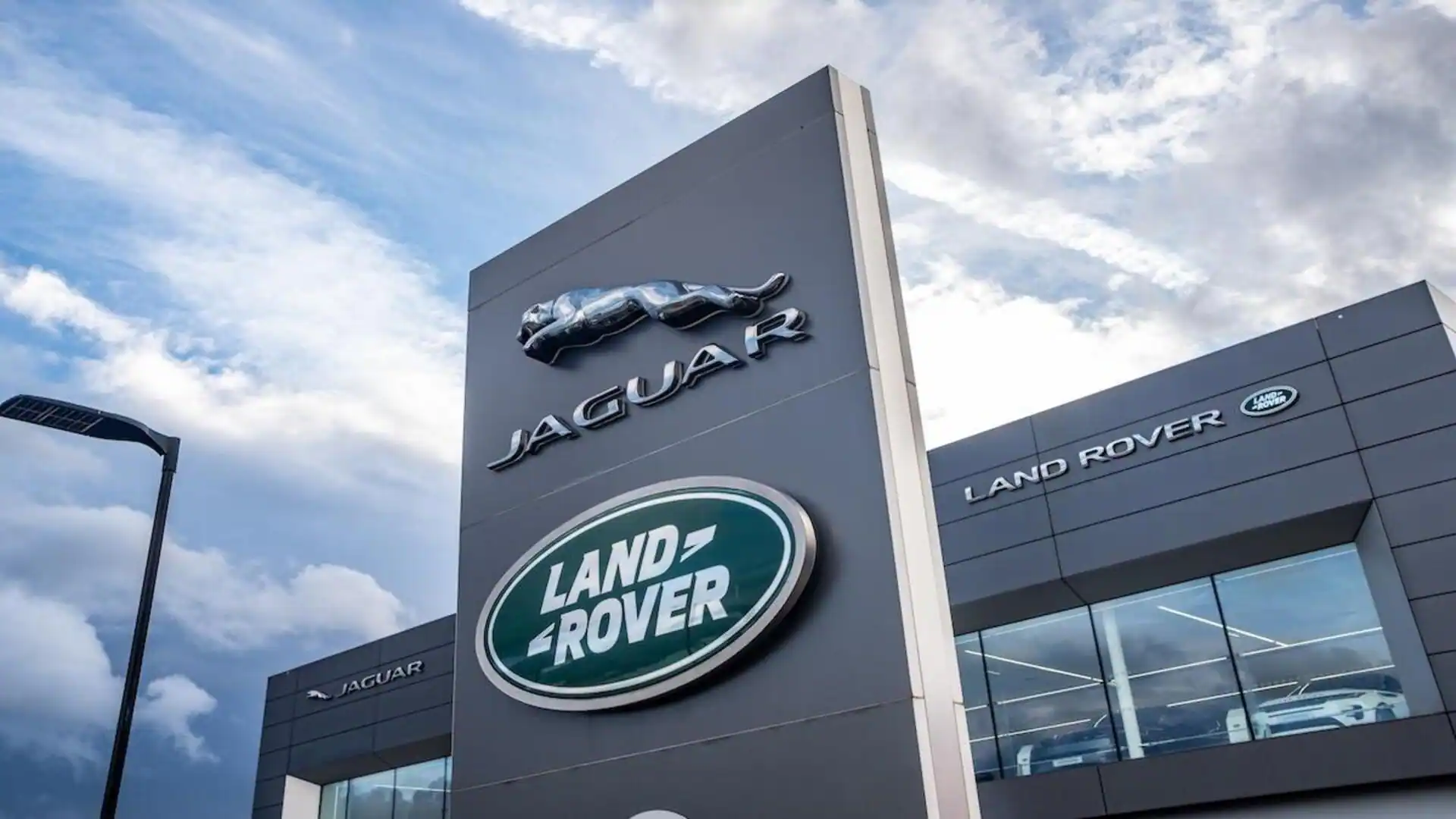
The automotive industry, known for its innovation, luxury, and technological advancement, is not immune to the pervasive threat of cyberattacks. Recently, the United Kingdom faced a significant cybersecurity breach involving one of its most renowned automakers—Jaguar Land Rover (JLR). According to comprehensive reports, this cyberattack has inflicted an estimated financial loss of over $2.5 billion on the UK economy, marking one of the most detrimental events in the country’s recent industrial history. This incident underscores the critical importance of cybersecurity resilience, especially in sectors where modernization and digital integration are integral to operations.
The Scope and Severity of the JLR Hack
What Happened?
The breach targeted Jaguar Land Rover’s internal networks, disrupting manufacturing lines, supply chain logistics, and customer data management systems. Hackers exploited vulnerabilities in the company’s digital infrastructure, leading to shutdowns and operational paralysis. As a result, production lines across multiple plants were halted, resulting in significant delays and financial setbacks.
Impacts on Operations
- Production Halt: Key manufacturing units experienced complete shutdowns, affecting thousands of vehicles in the pipeline.
- Financial Losses: The immediate consequence was a staggering economic impact, estimated at approximately $2.5 billion, which extends beyond direct production costs to include lost revenue, legal liabilities, and reputational damage.
- Supply Chain Disruption: The attack not only hampered JLR but also affected over 5,000 organizations associated with its supply chain, creating a ripple effect across the UK automotive sector.
- Customer Data Breach: Sensitive customer information was compromised, raising concerns over data privacy and security.
Why Is This Cyberattack Considered the Costliest?
Historical Context
This cyber attack on JLR has been classified as the most damaging in the UK history due to its scale and financial implications. Experts and cybersecurity analysts have described it as the costliest cyberattack ever experienced by a UK-based corporation. In comparison, previous incidents, though impactful, did not cause such extensive operational and economic disruption.
Analysis by Industry Experts
According to analysts quoted by the BBC and Business Standard, the attack’s cost transcended traditional cybersecurity incidents, affecting the entire UK automotive ecosystem and illustrating the growing threat landscape in the digital age.
Broader Economic Consequences
Impact on the UK Economy
The financial strain caused by this cyber event isn’t isolated to Jaguar Land Rover alone. It has broader implications on the UK’s economy, particularly in sectors heavily dependent on manufacturing, technology, and supply chain integration. Here’s a detailed look at the repercussions:
- Gross Domestic Product (GDP) Decline: The estimated $2.5 billion loss directly impacts the GDP figures, influencing national economic metrics.
- Job Market Effects: Disruptions may lead to temporary layoffs, reduced wages, and a slowdown in employment in the automotive manufacturing and technology support sectors.
- Investor Confidence: Repeated cybersecurity breaches shake investor trust, potentially leading to decreased investments in UK-based companies, especially in high-tech manufacturing.
- Supply Chain Instability: As over 5,000 companies in JLR’s supply network faced operational hiccups, the overall stability and reliability of the UK’s manufacturing sector were compromised.
Responses and Recovery Efforts
Operational Resumption
Fortunately, within weeks of the cyberattack, JLR managed to resume its production lines, restoring normalcy and demonstrating resilience. According to recent reports from Autocar India, all manufacturing operations have now been reinstated, but the financial and reputational damage is still being assessed.
Cybersecurity Measures Moving Forward
In the aftermath of this incident, Jaguar Land Rover announced a comprehensive overhaul of its cybersecurity protocols. The company is investing in advanced cybersecurity infrastructure, including:
- Enhanced intrusion detection systems
- Employee training programs on cybersecurity awareness
- Regular security audits and vulnerability assessments
- Partnerships with leading cybersecurity firms to ensure resilience against future attacks
Industry-Wide Lessons and Future Outlook
Cybersecurity as a Strategic Priority
The JLR attack has served as a wake-up call across the automotive and manufacturing industries in the UK. It highlights the urgent need for integrating robust cybersecurity measures into core business strategies, rather than treating them as mere compliance or IT issues. As vehicles become more connected via IoT and autonomous features, the attack surface for cyber threats continues to expand.
The Critical Need for Collaboration
Addressing such complex cyber challenges requires collaboration between industry players, government agencies, and cybersecurity experts. Building a resilient infrastructure involves sharing intelligence on emerging threats, establishing industry-wide standards, and increasing investment in cyber defense systems.
Conclusion
The cyberattack on Jaguar Land Rover is not just a wake-up call for one company but a stark reminder to industrial sectors worldwide about the vulnerabilities inherent in digital transformations. The estimated $2.5 billion cost underscores the importance of prioritizing cybersecurity to safeguard economic stability, protect data, and ensure business continuity. As the UK and global industries brace for an increasingly digital future, proactive measures and strategic investments in cybersecurity are imperative.
For more updated news please keep visiting Hourly Prime News.