

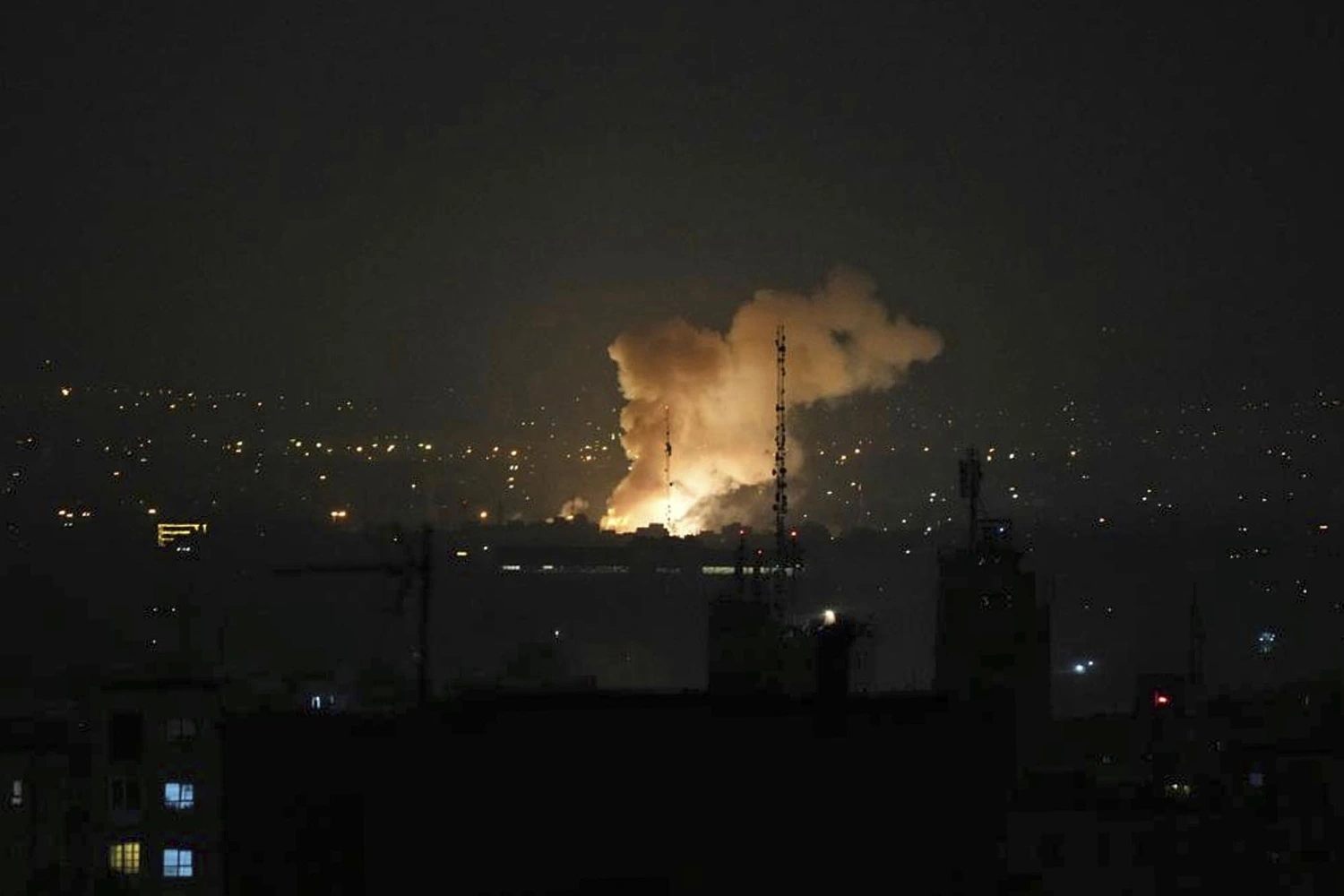
The escalation of tensions between Israel and Iran has propelled the region into a perilous state, with recent events highlighting the alarming frequency and sophistication of missile attacks targeting Israeli military installations. Multiple reports over the past weeks have revealed that these exchanges are not isolated incidents but part of a larger, ongoing conflict driven by Iran’s strategic objectives and Israel’s urgent defensive needs.
Recent Attacks on Israeli Military Infrastructure
Multiple Bombardments of IDF Bases
According to a detailed report by The Times of Israel, at least five IDF bases have come under ballistic missile strikes during the recent Israel-Iran flare-up. These bases, critical to Israel’s defense network, have suffered significant damage from Iranian-launched projectiles. The attacks showcase Iran’s ability to project power deep into Israeli territory, underlining the evolving threat landscape in the region.
Such missile assaults serve multiple strategic purposes: they aim to weaken Israel’s military capabilities, demonstrate Iran’s regional influence, and potentially provoke a broader conflict. The targets chosen are carefully selected to disrupt command and control centers, arms depots, and logistical hubs, thereby impairing Israel’s reaction time and operational readiness.
Iran’s Role in Escalating Hostilities
Iran’s military engagement has been marked by a significant increase in missile launches targeting Israeli positions. As reported by The Telegraph, Iran launched a series of attacks on five Israeli military bases, escalating the 12-day conflict. These strikes are indicative of Iran’s willingness to challenge Israeli security directly, utilizing ballistic missile capabilities that have markedly improved over recent years.
The Nature of the Missile Threats
Types of Missiles Used
Iran’s arsenal includes a diverse array of ballistic missile systems, with some reports indicating the use of indiscernible, unguided projectiles that cause widespread destruction without precision targeting. A notable report by Haaretz, highlights how Iranian forces have launched cluster missiles that indiscriminately hit multiple targets across Israeli territory, including urban centers, military installations, and critical infrastructure.
Impact on Civilian and Military Targets
The use of such weaponry exemplifies Iran’s strategy of leveraging multi-pronged missile attacks to create chaos and strain Israel’s defensive systems. The indiscriminate nature of some of these missiles complicates Israel’s missile defense efforts, forcing rapid response and damage mitigation strategies.
Efforts Toward Ceasefire and Diplomatic Talks
Ceasefire Announcements
Despite the aggressive missile exchanges, diplomatic efforts have been ongoing to de-escalate the situation. As reported by Hindustan Times, a tentative ceasefire has been announced, suggesting a potential pause in hostilities. However, recent incidents, such as Iranian missile strikes that resulted in fatalities inside Israel, threaten the fragile peace process.
Challenges to Ceasefire Stability
In a recent development reported by The Telegraph, the peace outlook remains delicate, with ongoing fighting and mutual accusations complicating diplomatic resolutions.
Regional and Global Implications
The recent missile exchanges are part of a larger geopolitical contest involving major regional and international powers. The conflict highlights the precarious balance in the Middle East, with Iran’s missile technology and regional influence asserting itself amidst concerns over nuclear proliferation and territorial sovereignty.
The U.S. and other Western nations are closely monitoring the escalation, urging restraint and diplomatic dialogue. However, the persistent missile attacks threaten to draw in wider regional actors, potentially igniting conflicts that could destabilize the Middle East further.
Conclusion: The Road Ahead
This ongoing confrontation underscores the importance of robust missile defense systems, international diplomatic efforts, and regional stability initiatives. As Iran continues to enhance its missile capabilities and Israel bolsters its defenses, the potential for future escalation remains high. The international community’s role in mediating and de-escalating tensions is crucial to preventing a full-scale regional war.
Understanding the dynamics of missile warfare in this context emphasizes the necessity for proactive diplomacy, strategic deterrence, and engagement with regional stakeholders. The Israel-Iran conflict is emblematic of a broader struggle for influence and security in an inherently volatile region.
As events unfold, vigilance and diplomatic prudence are paramount to ensuring that hopes for peace are not overshadowed by the destructive capabilities of modern missile technology.
For more updated news please keep visiting Hourly Prime News.