

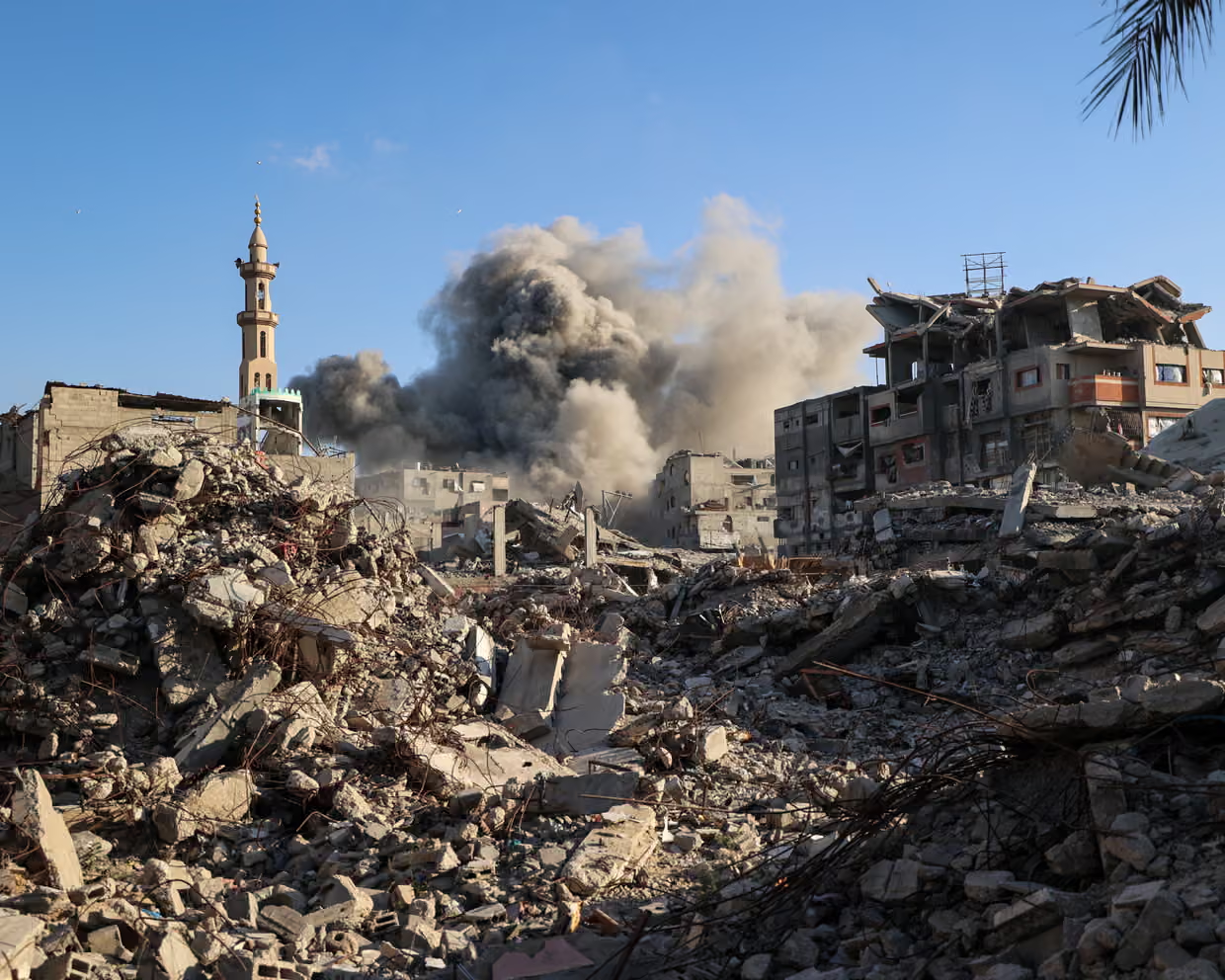
The recent escalation of violence in the Israeli-Palestinian conflict has once again highlighted the fragile nature of ceasefires and the unpredictability of ongoing hostilities. Just days after world powers, led notably by the United States, brokered a temporary ceasefire aimed at de-escalation, Israel launched a series of intense airstrikes against Gaza. This sequence of events underscores the complex and volatile dynamics of the region, where diplomatic efforts often find themselves challenged by deep-rooted tensions and unresolved issues.
The Context of the Latest Hostilities
The US-Brokered Ceasefire: An Attempt at Stability
In the wake of continuous clashes, diplomatic negotiations led by the United States resulted in a ceasefire agreement intended to bring a temporary halt to hostilities. According to reports from Moneycontrol
The Breakdown: Why Did Hostilities Resume?
Despite the diplomatic efforts, the ceasefire was short-lived, and tensions swiftly reignited. Various reports, including those from The Hindu and others, point towards a pattern of provocative actions and unresolved conflicts that have continued to destabilize the region.
The Recent Strikes and Their Impact
Nature of the Recent Airstrikes
According to multiple sources including The Hindu and Reuters and BBC have reported cases of targeted airstrikes, involving high civilian casualties, including the tragic attack on a bus resulting in eleven deaths as claimed by Hamas-run civil defense. Such incidents have intensified international concern about the scale and severity of the ongoing conflict.
Regional and Global Implications
Escalation of Violence and Diplomatic Struggles
The renewed Israeli strikes have sown fears of a broader regional escalation. Countries neighboring Gaza, such as Egypt and Jordan, have expressed their apprehension about the possibility of the conflict widening. Meanwhile, global powers continue to grapple with diplomatic challenges: there’s concern over civilian casualties, the politicization of the conflict, and the persistent failure to find a sustainable peace solution.
International Reactions
While some nations have called for restraint and renewed diplomatic efforts, others have criticized the escalation, blaming Israel for breaking the recent ceasefire agreement. The United Nations and international human rights organizations have urged both sides to prioritize the protection of civilians and seek peaceful resolutions. However, with each flare-up, the region seems further away from long-term peace.
Conclusion: The Road Ahead
The recent airstrikes by Israel following a purported ceasefire brokered by the US represent a stark reminder of the fragile and volatile nature of Middle Eastern geopolitics. The cycle of violence, counter-violence, and diplomatic backtracking underscores the urgent need for sustained, genuine efforts towards peace. The lives lost and the ongoing suffering of civilians deepen the tragedy of this longstanding conflict.
As the region braces for potential further escalation, international actors must intensify their efforts to foster negotiations, ensure humanitarian access, and hold parties accountable for violations of international law. Only through persistent diplomatic engagement and genuine commitment can hope be restored for the millions affected by this ongoing crisis.
Final Note
For more updated news please keep visiting Hourly Prime News.