

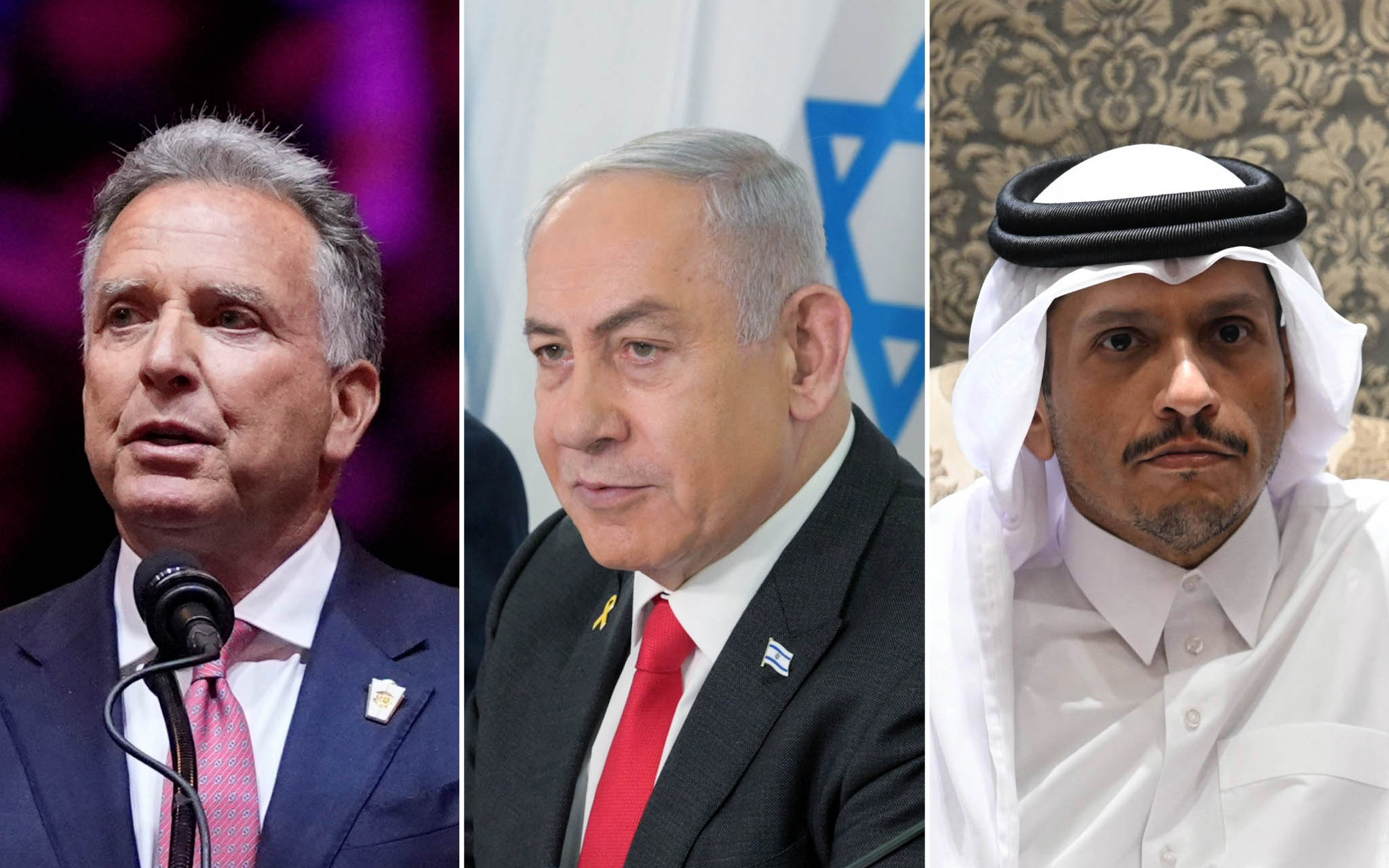
Introduction: Rising Diplomatic Activity Amid Escalating Gaza Tensions
The ongoing conflict in Gaza has once again put the spotlight on the fragile state of peace in the region, prompting high-level diplomatic discussions between key players. As Israel prepares for an upcoming trip to the United States with its Prime Minister Benjamin Netanyahu at the helm, regional and international stakeholders are feverishly working to navigate the complex web of negotiations aimed at de-escalating violence and striving for a ceasefire. Central to these diplomatic efforts are Israel’s recent talks with Qatar—an influential regional mediator—whose engagement signals a nuanced attempt to forge pathways toward stability amidst intensified violence.
The Israel-Qatar Diplomatic Engagement
The recent decision by Israel to dispatch a delegation to Qatar for Gaza-related discussions underscores the growing importance of Qatar’s mediatory role. According to reports from Reuters, Israeli officials have prioritized engaging with Qatar, aiming to foster negotiations that could potentially pave the way for reduced hostilities. Despite the long-standing political sensitivities, Israel’s willingness to hold talks in Doha signifies a strategic move to leverage Qatar’s unique position as a regional bridge-builder. This diplomatic overture aligns with Israel’s broader objective of consolidating regional support, especially as tensions in Gaza reach a critical pitch.
Moreover, these negotiations occur against the backdrop of escalating violence, with reports of increasing casualties and mounting calls from various international actors for restraint. The Israeli delegation’s visit might also signal informal efforts to explore covert or unofficial dialogue channels, a common tactic in environments where formal negotiations remain fraught with complexities. Qatar’s historical backing of Hamas and its role in mediating aid flow into Gaza make it a pivotal actor in shaping any potential ceasefire or de-escalation framework.
Challenges and Sticking Points in Negotiations
Despite the diplomatic overtures, there are significant hurdles that temper optimism. Israel’s representatives reportedly entered the talks despite Hamas’s “unacceptable” demands, as cited by the BBC. This highlights the persistent divide between the two sides and the difficulty in reaching a compromise that satisfies both Israel’s security concerns and Hamas’s territorial claims.
Questions remain regarding substantive progress. The Israeli government continues to demand specific conditions, including security guarantees and the prevention of arms smuggling into Gaza, which Hamas and other militant factions may view as non-negotiable. The challenge lies in balancing these demands with the humanitarian imperative—minimizing civilian suffering and preventing further loss of life, which has been a growing concern among international observers.
Additionally, regional and global actors are closely watching these negotiations. The United States, in particular, has expressed a desire for a sustainable ceasefire ahead of Netanyahu’s upcoming visit. The US government’s stance often influences the scope and tone of Israel’s diplomatic initiatives, seeking to facilitate a stable environment conducive to long-term peace. The delicate choreography involves not only direct Israeli-Qatari talks but also wider engagement with Egypt, the US, and the European Union.
Geopolitical Implications of the Gaza Talks
The upcoming US visit by Netanyahu makes these Qatar-mediated discussions even more significant. Washington’s support for Israel’s security measures remains unwavering, yet it also urges restraint, especially through diplomatic channels. These negotiations are emblematic of a broader regional chess game, where each move is calibrated to preserve alliances, prevent further escalation, and stabilize the volatile landscape.
Another layer to consider is the internal political landscape within Israel. Netanyahu’s leadership has faced pressure to demonstrate a firm stance on Gaza, aiming to showcase strength ahead of elections or political challenges back home. Simultaneously, international pressure to prevent humanitarian catastrophe compels Israeli officials to entertain possibilities for de-escalation.
Furthermore, Qatar’s own regional ambitions and its position as a mediator reflect a strategic balancing act. It supports Gaza’s leadership, maintains dialogue with Israel, and seeks to bolster its influence within the Gulf Cooperation Council and beyond. Doha’s involvement in Gaza talks exemplifies its nuanced foreign policy approach, which seeks to reconcile multiple interests amid a volatile regional environment.
The Broader Context: Gaza Conflict and International Efforts
The ongoing violence has resulted in numerous casualties. Reports indicate that the past day saw about 80 Palestinians killed in Gaza, prompting fears of a humanitarian crisis once again. Despite this, some voices, including former US President Donald Trump, have floated proposals for a ceasefire, often viewed as unilateral or flawed by critics. The Hindustan Times reports that these proposals face skepticism due to their limited scope and the persistent refusal of the involved parties to accept terms that satisfy all stakeholders.
In parallel, other diplomatic initiatives are underway, like the recent meeting between Trump and Netanyahu, which ropes in hopes—though skeptics remain wary. The Al Jazeera article highlights that observers are cautious about expecting a quick resolution, especially considering Hamas’s demands and Israel’s security concerns. However, these discussions symbolize a window of opportunity amid persistent hostility, emphasizing that diplomatic engagement remains vital despite hurdles.
Current Developments in Gaza
– Israeli teams have departed for Doha to negotiate a possible ceasefire, amidst reports of escalating casualties.
– Hamas continues to demand certain conditions while engaging in negotiations, highlighting a complex peace process.
– International actors—including the US, Egypt, and Qatar—are involved in shuttling ideas and influencing outcomes.
– Humanitarian concerns grow with mounting civilian casualties, raising calls for urgent de-escalation.
These developments underscore how fragile the situation remains, with each diplomatic move potentially tipping the scales toward escalation or peace.
Conclusion: Navigating the Path Toward Peace
The recent engagement between Israel and Qatar exemplifies the intricate diplomacy needed to manage the Gaza conflict. While these talks do not guarantee immediate results, they signal a crucial step towards dialogue amid a dire humanitarian situation. As Netanyahu prepares to visit the US, regional actors need to leverage these negotiations to build momentum for meaningful de-escalation, balancing security concerns with humanitarian imperatives.
The international community’s role remains pivotal—to support negotiations, ensure compliance with international law, and encourage sustainable peace frameworks. Ultimately, the challenge lies in overcoming entrenched positions and fostering trust among all parties involved.
The upcoming days will be critical in determining whether these diplomatic efforts translate into tangible progress or if the cycle of violence continues unabated.
For more updated news please keep visiting Hourly Prime News.