

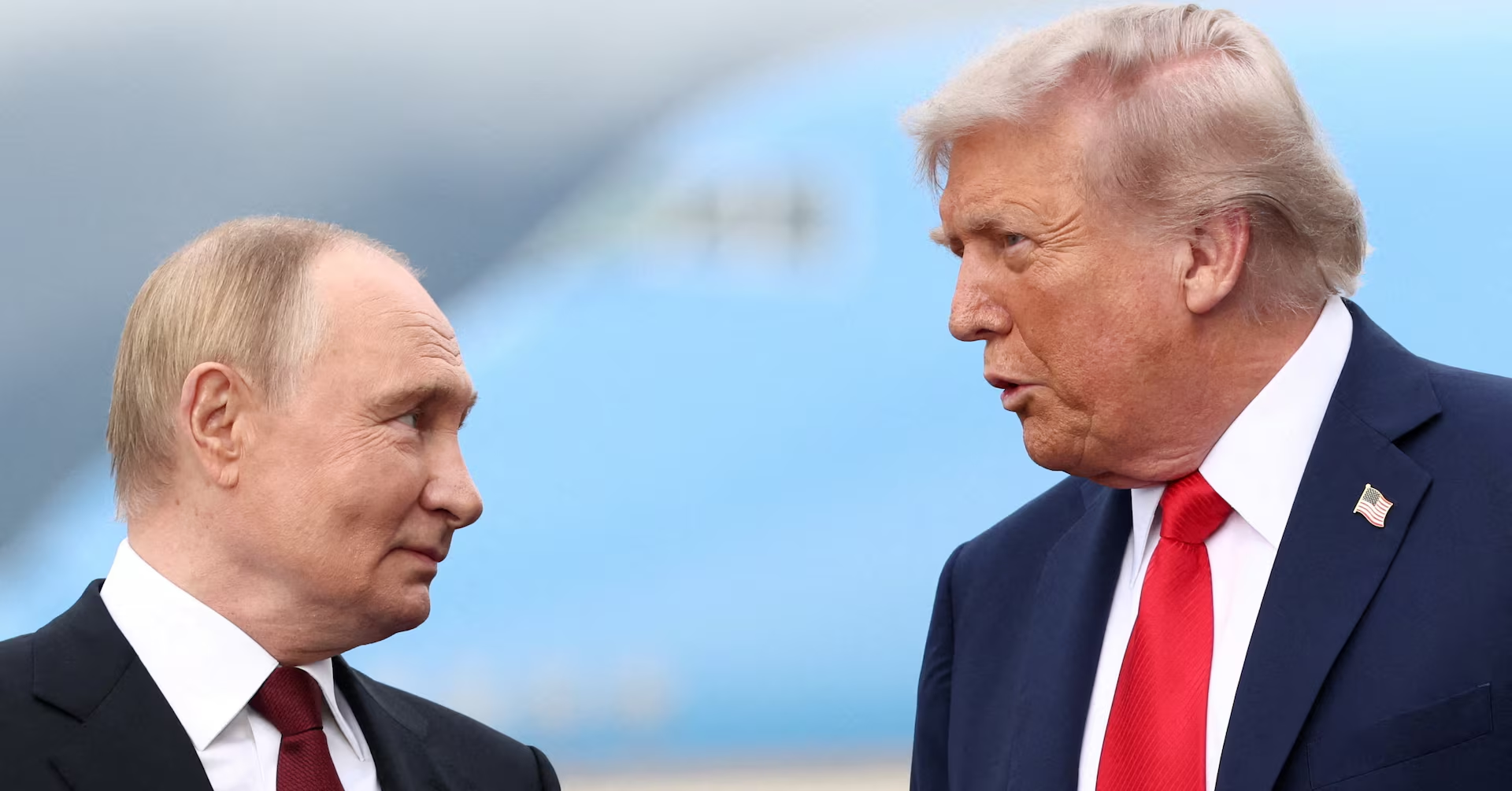
The recent US-Russia summit, which aimed to address crucial geopolitical and economic concerns, ended without reaching a definitive agreement. While such diplomatic engagements often carry the promise of fostering stability and cooperation, their outcomes can significantly influence investor sentiment across global markets. The culmination of this summit, characterized by a no-deal outcome, has sparked a spectrum of reactions from investors, affecting not only the immediate financial landscape but also international economic strategies.
What Happened at the Summit?
The summit, held amid heightened geopolitical tensions and economic uncertainties, was intended to serve as a platform for dialogue on issues ranging from security concerns to economic sanctions. However, despite extensive negotiations, the two superpowers remained entrenched in their respective positions, leading to a failure to reach a conclusive deal.
The key sticking points included disputes over cybersecurity, nuclear disarmament, sanctions, and regional conflicts. Both nations expressed a willingness to continue dialogue, but significant differences persisted, ultimately preventing a formal agreement. This no-deal result has sent ripples through the global financial markets, as investors reassess the geopolitical landscape and its implications for economic stability.
Investor Reactions: Immediate Market Responses
Stock Markets Dive or Dip
Following the summit’s conclusion, stock markets globally experienced mixed reactions. U.S. equities, often considered a barometer of economic confidence, exhibited volatility, with major indices showing declines in the immediate aftermath. Investors perceived the no-deal scenario as a potential risk to economic growth, especially if geopolitical tensions escalate.
- Technology and Defense Stocks: While some defense stocks gained as uncertainties persisted, technology shares faced pressure due to potential sanctions or restrictions.
- Emerging Markets: Countries heavily dependent on exports or affected by sanctions also experienced fluctuations, reflecting concerns over future trade relations.
Bond and Currency Markets Fluctuate
Bond yields showed a slight decline, indicating increased demand for safer assets amid uncertainty. The U.S. dollar saw a modest appreciation as investors sought refuge from potential geopolitical upheavals. Meanwhile, emerging market currencies weakened against the dollar, reflecting nervousness over prolonged tensions.
Analysis of Investor Sentiment
Market analysts have noted that the no-deal outcome underscores the fragility of current diplomatic efforts and raises questions about future cooperation levels between the US and Russia. While some investors anticipated this possibility due to the complex nature of negotiations, the swift market reactions demonstrate the high sensitivity of financial systems to geopolitical developments.
Short-Term Perspectives
- Many market participants are hedging their positions, increasing holdings in gold, treasury securities, and other safe-haven assets.
- Volatility is expected to persist in the short term, particularly if further developments escalate tensions or lead to new sanctions.
Long-Term Implications
- The lack of agreement could delay resolution on contentious issues affecting global security and trade.
- Potential for increased regional conflicts or cyber warfare, which may further destabilize markets.
- Calls for alternative diplomatic channels and regional alliances to mitigate risks associated with US-Russia tensions.
Impact on Global Geopolitical and Economic Climate
The summit’s outcome is more than a diplomatic disappointment; it signals a possible shift towards prolonged geopolitical rivalry. This scenario could foster an environment of increased volatility in international markets, impacting investor confidence worldwide.
Additionally, economic sanctions or restrictions are likely to remain in place or even intensify, affecting sectors such as energy, defense, and technology. Countries aligned with either side might also see shifts in trade policies, investment flows, and foreign policy strategies.
What Investors Should Watch Going Forward
In the wake of this no-deal summit, investors are advised to closely monitor several key factors:
- Geopolitical Developments: Any sign of escalation or de-escalation could significantly influence market movements.
- Country-specific Sanctions and Policy Changes: New sanctions or policy adjustments might create opportunities or pose risks for specific sectors or regions.
- Economic Indicators: Global economic data, including inflation rates, GDP growth, and trade figures, will provide insights into how the no-deal environment impacts economic health.
- Diplomatic Engagements: Continued negotiations or breakout talks could either soothe markets or exacerbate volatility, depending on their outcomes.
Expert Opinions and Market Strategies
Market experts emphasize caution amidst ongoing uncertainties. Many suggest diversifying portfolios and maintaining an inclination towards assets with lower risk profiles such as precious metals, government bonds, and defensive stocks. Others see the scenario as an opportunity to invest in sectors poised for growth independent of short-term geopolitical tensions, such as renewable energy or technology innovation.
For Investors in International Markets
Due to the geopolitical risks associated with US-Russia tensions, diversification becomes crucial, especially across emerging markets and commodities. Understanding regional dependencies and vulnerabilities can help investors better hedge against potential fallout.
Looking Ahead: A New Chapter or a Continued Standstill?
The no-deal outcome leaves the world at a crossroads. Diplomatic efforts are likely to persist, but the current stalemate points to the need for innovative approaches to conflict resolution. For investors, this period is characterized by caution but also potential for strategic positioning as new opportunities emerge in the shifting landscape.
It remains to be seen whether subsequent negotiations will yield breakthroughs or if geopolitics will continue to impede economic progress. Stakeholders must stay vigilant, adaptable, and informed to navigate the uncertainties ahead.
Conclusion: Navigating Uncertainty with Caution
The recent US-Russia summit’s failure to reach an agreement underscores the unpredictable nature of international diplomacy and its profound impact on financial markets. While the immediate reaction has been marked by caution and volatility, prudent investors recognize the importance of staying informed and agile. In times of geopolitical uncertainty, diversifying assets, monitoring geopolitical developments, and maintaining a long-term strategic outlook will be key to weathering the storms ahead.
In sum, the no-deal outcome not only reflects the current geopolitical landscape but also sets the tone for upcoming global economic and diplomatic endeavors. Adaptability and vigilance will serve as the best tools for investors in these uncertain times.
For more updated news please keep visiting Hourly Prime News.