

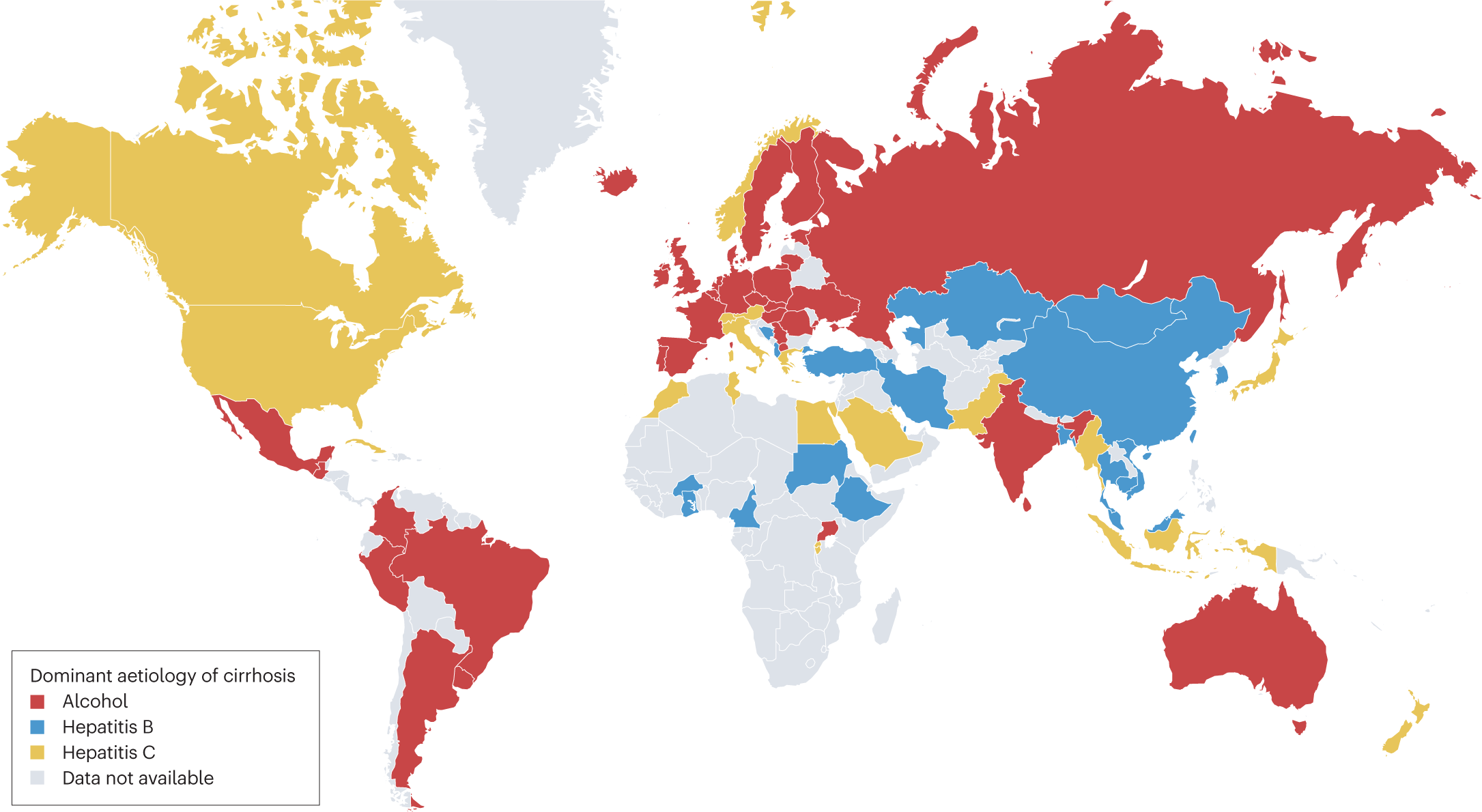
Liver cirrhosis remains a significant public health challenge in Western India, reflecting complex clinical scenarios influenced by regional etiologies, lifestyle factors, and healthcare infrastructure. Understanding the spectrum of the disease, its underlying causes, and potential complications is vital for effective management and improving patient outcomes. Recent studies conducted at tertiary care centers offer a window into the prevailing trends, revealing unique insights into this chronic liver condition prevalent in the region.
Clinical Spectrum of Liver Cirrhosis in Western India
Clinicians in Western India observe a diverse presentation of liver cirrhosis, ranging from asymptomatic cases to advanced liver failure. The clinical manifestations often depend on the stage of disease progression and associated complications. Commonly observed symptoms include:
- Fatigue and weakness: A hallmark early symptom that affects daily activities.
- Jaundice: Yellowing of the skin and sclera due to impaired bilirubin metabolism.
- Ascites: Accumulation of fluid in the abdominal cavity leading to distension.
- Palpable hepatomegaly or shrunken liver: Both extremes can be observed depending on disease phase.
- Gastrointestinal bleeding: Esophageal and gastric varices predispose patients to life-threatening hemorrhages.
- Encephalopathy: Neurological disturbances due to liver’s inability to detoxify harmful substances.
The variability in clinical presentation underscores the importance of early detection and tailored management strategies. It is noteworthy that in Western India, a significant number of cases are diagnosed at advanced stages due to delayed healthcare consultation, often linked to socioeconomic challenges.
Etiology Behind Liver Cirrhosis in Western India
The causative factors for cirrhosis in Western India are multifaceted, with regional specifics shaping the etiological landscape. According to recent observations from a tertiary care center, the primary causes include:
- Chronic viral hepatitis: Hepatitis B and C infections remain leading contributors, often acquired during early childhood or through unsafe practices. The prevalence of hepatitis B in particular holds significant relevance in the region.
- Alcohol consumption: Despite cultural diversity, alcohol use is widespread in Western India, significantly contributing to liver damage. Chronic alcoholism leads to fatty liver, alcoholic hepatitis, and eventual cirrhosis.
- Non-alcoholic fatty liver disease (NAFLD): Increasing urbanization and sedentary lifestyles have led to a surge in NAFLD cases, which can escalate to non-alcoholic steatohepatitis (NASH) and cirrhosis.
- Autoimmune and metabolic disorders: Conditions such as autoimmune hepatitis, hemochromatosis, and Wilson’s disease, although less common, are also noted.
- Other factors: Aflatoxin exposure, parasitic infections, and previous episodes of acute hepatitis can predispose individuals to developing cirrhosis.
Understanding these regional etiological factors is crucial for implementing targeted public health interventions, including vaccination drives, awareness programs, and screening initiatives.
Complications of Liver Cirrhosis in the Western Indian Context
Progression of liver cirrhosis often entails a multitude of life-threatening complications. Recognizing these early signs and intervening promptly can significantly reduce morbidity and mortality. Key complications observed include:
- Gastrointestinal hemorrhage: Variceal bleeding is a common emergency, often requiring endoscopic intervention and careful management.
- Hepatic encephalopathy: Neurotoxicity due to accumulated toxins manifests as altered mental status, ranging from confusion to coma.
- Ascites and spontaneous bacterial peritonitis: The buildup of fluid can lead to infections, requiring antibiotics and management of fluid status.
- Hepatorenal syndrome: Progressive renal failure due to altered blood flow in cirrhotic patients is a grave concern, often linked with dehydration and infections.
- Hepatocellular carcinoma (HCC): Chronic cirrhosis acts as a precursor for liver cancer, emphasizing the importance of regular screening.
Additionally, social and economic factors influence the management and prognosis of these complications. Limited access to specialist care and late presentation significantly hinder optimal outcomes.
Approach to Management and Prevention Strategies
Effective management of liver cirrhosis in Western India requires a multidisciplinary approach. This includes:
- Early diagnosis and screening: Especially among high-risk populations such as hepatitis-infected individuals and heavy alcohol consumers.
- Vaccination programs: Hepatitis B vaccination and vaccination against other infectious agents can significantly reduce infection-related cirrhosis.
- Lifestyle modifications: Promoting alcohol abstinence, healthy diet, and weight management to curb NAFLD progression.
- Pharmacological therapy: Antiviral agents for hepatitis, diuretics for ascites, lactulose for encephalopathy, and other supportive medications.
- Endoscopic and surgical interventions: Variceal banding, shunt surgeries, and liver transplantation in advanced cases.
Public health initiatives focusing on awareness, vaccination, and early treatment can alter the disease trajectory significantly. In addition, strengthening the healthcare infrastructure to facilitate early detection and intervention plays an essential role.
Conclusion
Liver cirrhosis in Western India presents a complex interplay of etiology, clinical variability, and potential complications. The region-specific data emphasize the importance of regional epidemiological understanding to guide preventive and therapeutic strategies effectively. As the disease burden continues to rise, concerted efforts involving public health policies, community awareness, and advanced medical care are imperative to curtail its impact.
Ongoing research and regional epidemiological studies are crucial for tailoring interventions and improving survival rates among affected populations. Addressing the socio-cultural determinants alongside medical management can lead to a meaningful reduction in the incidence of liver cirrhosis in Western India.
For more updated news please keep visiting Hourly Prime News.