

Space Debris Plasma Collector Highlights
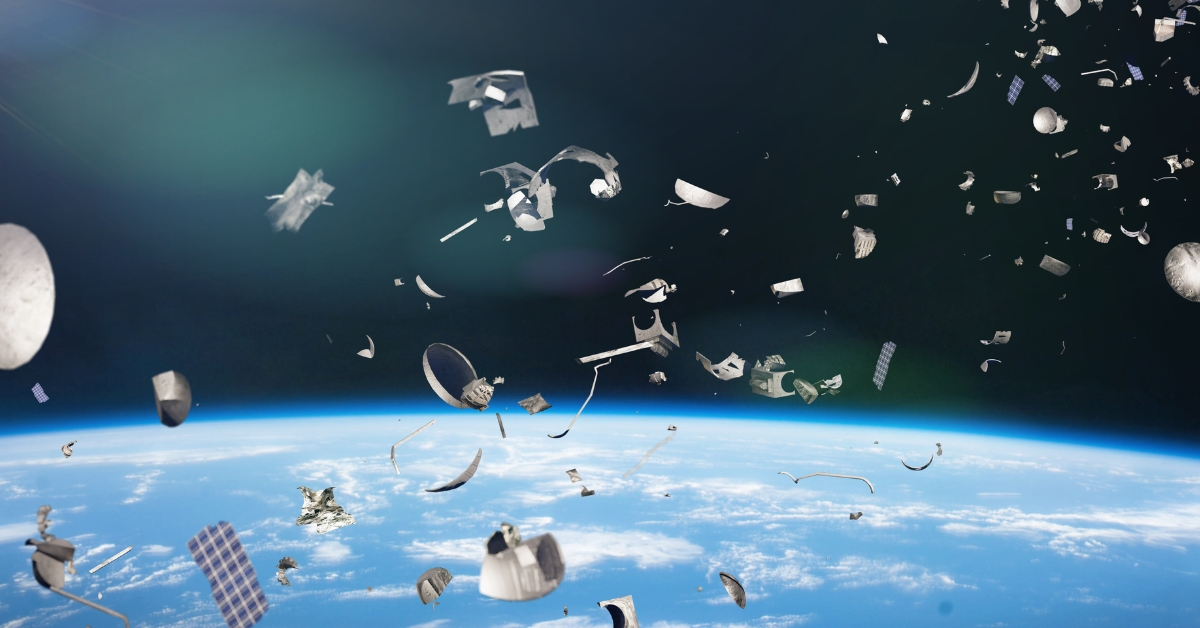
As human activity in space expands exponentially, one of the most pressing challenges faced by scientists and space agencies today is the escalating problem of space debris. This orbital junk, comprising defunct satellites, spent rocket stages, and fragmented debris from collisions, poses significant risks to operational satellites, spacecraft, and even future missions to the Moon and Mars. According to recent reports, Earth’s orbit is becoming increasingly cluttered at an alarming rate, threatening to turn into a “floating junkyard” that endangers both current and future space endeavors.
In an effort to address this issue, researchers and innovators are developing advanced technologies aimed at cleaning space debris efficiently and sustainably. Among them, the space debris plasma collector is emerging as a groundbreaking solution that could revolutionize space debris management by removing orbital trash and restoring the safety and sustainability of space activities.
The Concept of Plasma-Based Space Debris Collection
The idea of using plasma technology for space debris collection leverages the unique properties of plasma—an ionized state of matter capable of exerting electromagnetic forces. By deploying plasma collectors or thrusters, scientists aim to create a system that can attract, capture, and deorbit debris particles with high precision and minimal impact on the surrounding environment.
One innovative approach involves a plasma collector that generates a strong electromagnetic field, effectively pulling in floating debris without physical contact. This method minimizes the risk of further fragmentation or collision during collection. Once captured, the debris can be either safely deorbited or processed for recycling. This offers a sustainable and scalable alternative to traditional debris removal methods, which often involve tethered nets or robotic arms with limited operational lifespan.
Breakthroughs in Space Debris Plasma Technologies
Recent advancements have shown promising prototypes, such as a plasma thruster capable of vaporizing and disintegrating space junk. Popular Mechanics reports the development of a plasma thruster that could effectively turn floating debris into harmless vapor, thereby removing it from orbit entirely. These thrusters utilize intense plasma arcs to break down debris into particles that quickly dissipate or are caught up in their respective deorbit pathways.
Furthermore, scientists are designing plasma sensors that enhance debris detection and tracking accuracy. Such sensors can identify debris size, velocity, and trajectory in real-time, enabling more targeted and efficient cleanup missions. The combination of plasma collection and advanced sensing technologies promises a future where orbital clutter can be managed systematically and with minimal risk to operational satellites.
Addressing the Urgent Need for Space Debris Management
The accumulation of space debris is not merely an inconvenient byproduct of exploration; it is an active hazard that demands immediate attention. SpaceNews highlights the urgency of clearing Earth’s orbit, emphasizing that if left unchecked, debris could reach critical levels, making space activities prohibitively risky and expensive.
Traditional methods, such as deploying robotic arms or tether systems, face limitations in terms of operational lifespan, cost, and effectiveness. This has driven the pursuit of plasma-based solutions, which offer a more versatile and potentially cost-effective approach. For example, the design of spacecraft that can intelligently hunt down debris using sophisticated sensors and then apply plasma technology to neutralize or deorbit it is gaining traction in the scientific community.
The Future of Space Debris Cleanup Technologies
One promising development is a dedicated spacecraft that functions as a “space junk hunter.” Equipped with plasma thrusters and sensors, such a vessel can locate debris, analyze its characteristics, and either capture it physically or vaporize it remotely. Gizmodo reports on these innovative missions, highlighting the potential for safer, more sustainable space environments in the coming decades.
Moreover, the creation of space debris sensors promises to make satellite operations safer by detecting smaller debris that was previously undetectable. These sensors would alert operators to potential collision risks well in advance, facilitating evasive maneuvers and operational adjustments to protect critical infrastructure.
Challenges and Considerations
While the prospects of plasma technology are promising, several challenges remain. Developing systems that can operate reliably in the harsh conditions of space, manage the full range of debris sizes, and do so in a cost-effective manner demands rigorous testing and innovation. There are also concerns about the possible unintended consequences of vaporizing debris, such as creating smaller fragments that might evade detection and pose additional risks.
Furthermore, international cooperation and regulation are crucial. Space is a global commons, and debris management requires coordinated efforts among countries and private entities. Establishing international standards and funding mechanisms will be vital to deploying plasma-based debris removal at a scale sufficient to address the problem comprehensively.
Conclusion: A Cleaner Future in Space
In summary, the development of innovative plasma collectors and thrusters signifies a major step forward in tackling space debris. By harnessing electromagnetic forces and plasma technology, scientists aim to create systems capable of removing orbital trash efficiently, safely, and sustainably. This not only safeguards the integrity of current satellite constellations but also paves the way for future explorations across the solar system.
As these technologies evolve, collaboration among space agencies, private companies, and international organizations will be critical to implement effective debris mitigation strategies. The vision of a clutter-free and sustainable orbital environment is within reach, provided we continue to innovate and prioritize responsible space stewardship.
With ongoing research and technological breakthroughs, the dream of preserving Earth’s orbital pathway is becoming a tangible reality. Future generations will thank today’s scientists and engineers for their efforts in removing trash floating above us and securing the space environment for all exploration activities to come.
For more updated news please keep visiting Hourly Prime News.