

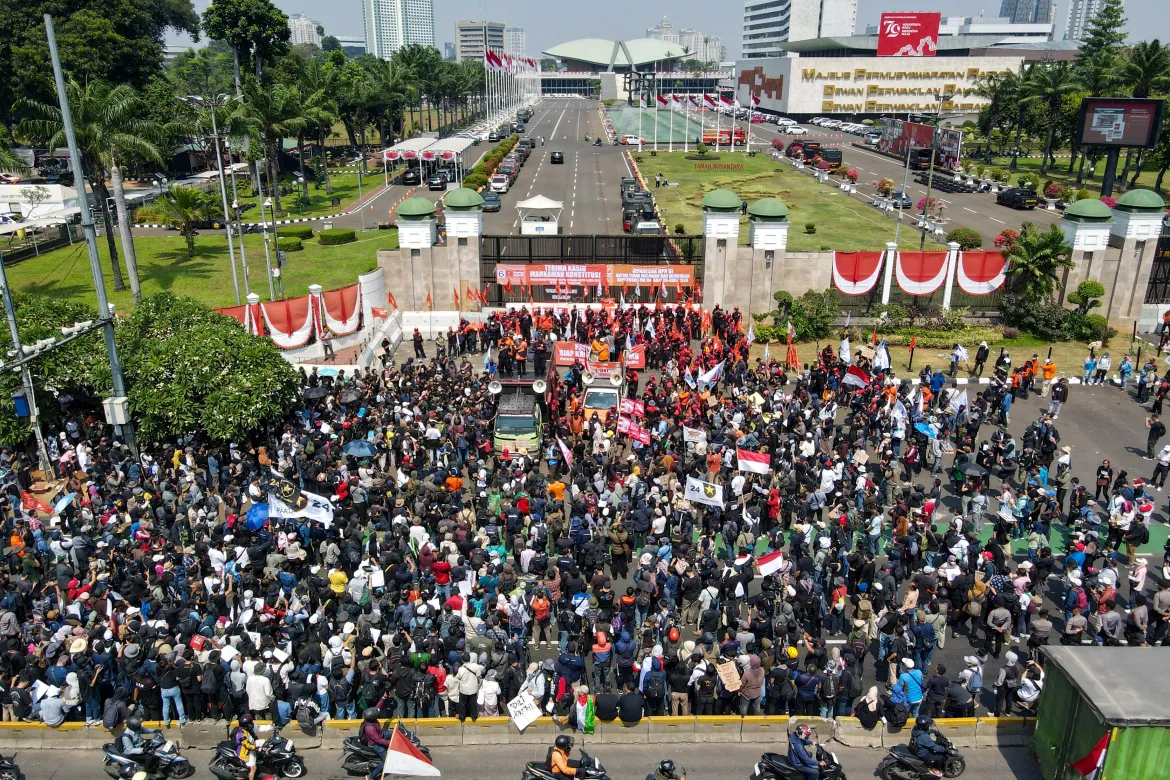
Indonesia, a nation marked by vibrant youth engagement and social activism, has recently witnessed a notable surge in protest activities targeting government institutions, particularly the parliament. These protests are not isolated incidents but part of a broader movement driven by dissatisfaction with government policies, economic reforms, and concerns over governance transparency. The current wave of protests has gained momentum as students, women, and the general public articulate their aspirations for greater accountability and reform.
The Context Behind the Protests
Government Expectations and Youth Discontent
In recent months, the Indonesian government has scheduled crucial meetings aimed at addressing key national challenges, including economic policies, infrastructure development, and social welfare programs. However, many in the youth demographic feel that these meetings do not adequately represent their interests or address their pressing concerns. The students’ protests are, therefore, a declaration that they demand more inclusive dialogue and tangible outcomes from government discussions.
The students’ activism also reflects broader frustrations with issues like unemployment, education reforms, and environmental concerns, especially in regions heavily affected by pollution and deforestation. This unrest underscores a disconnect between the government’s agenda and the aspirations of its younger citizens, who are eager to shape the future of their country.
The Protest Movements: Scope and Impact
Student Engagement and Demonstrations
According to recent reports by Reuters, Indonesian students are preparing to stage mass protests aimed at pressuring parliament to reconsider policies they view as unjust or inadequate. These demonstrations are characterized by peaceful marches, sit-ins in key governmental locations, and community outreach efforts to rally public support. The protesters are demanding reforms that include better access to education, job opportunities, and environmental protection measures.
In addition to students, women have played a pivotal role in these protests. Many women, armed with traditional brooms symbolizing a clean sweep of corruption and bad governance, have joined the demonstrations in Jakarta and other major cities. Their participation signifies a unified call for integrity and accountability from authorities.
Key Themes and Messages from the Protests
- Demand for Transparency and Accountability: Citizens want clear communication from government officials regarding policies and expenditures, especially concerning public funds and infrastructure projects.
- Environmental Concerns: Protesters highlight issues such as deforestation, pollution, and climate change, advocating for stronger environmental policies and sustainable development practices.
- Socioeconomic Justice: Youth and women are calling for increased employment opportunities, fair wages, and social protections, particularly for vulnerable groups affected by economic disparities.
- Reform of Governance Structures: There is a growing voice for reforming the political system to ensure more participatory decision-making processes and to combat corruption at various levels.
Government Response and Public Sentiment
The government has expressed a willingness to listen to protesters, with several officials promising to review the demands and engage in dialogue. However, critics argue that some authorities have responded with restraint or delayed action, fueling further unrest. The protests have also attracted international attention, with organizations like BBC and The Hindu reporting on the role of women and the broader societal implications.
Many ordinary Indonesians sympathize with the protesters’ calls, seeing them as an essential part of democratic development. Some businesses and community leaders have voiced support, emphasizing that the government must prioritize transparency and inclusiveness to maintain stability and social cohesion.
Media Coverage and Symbolic Acts
Protesters have used symbolic acts to draw attention to their causes, such as brandishing brooms, which are iconic in representing the cleansing of corruption. Women leading these actions exemplify a collective effort to erase the remnants of bad governance and usher in a new era of integrity.
The protests also include cultural presentations, social media campaigns, and collaborations with advocacy groups, amplifying their messages across platforms. These efforts aim to ensure that the concerns reach both national leaders and the international community.
The Role of Social Media and Youth Networks
Social media platforms have been instrumental in organizing protests and disseminating information. Youth organizations, student unions, and activists coordinate via WhatsApp groups, Twitter hashtags, and Facebook pages. These digital networks facilitate rapid mobilization and enable protesters to communicate their demands effectively.
Moreover, digital activism has helped foster solidarity beyond urban centers, reaching remote regions and marginalized communities, thereby encouraging a nationwide movement for reform.
Looking Ahead: Possible Outcomes and Challenges
Potential for Policy Reforms
The current protests could propel meaningful policy changes if the government adopts a more conciliatory approach. Recognizing the power of youth activism and social movements, policymakers might implement reforms that align better with public expectations, especially in education, environmental sustainability, and governance transparency.
Challenges and Risks
However, challenges remain. The risk of escalation exists if authorities resort to repression or if protests become violently confrontational. Maintaining peaceful dialogue and addressing core issues are vital to prevent further unrest and to build trust between citizens and the state.
Additionally, socio-political tensions stemming from economic inequalities and regional disparities could complicate efforts for nationwide consensus.
Conclusion: A Reflection of Democratic Maturity
The protests by Indonesian students and women symbolize a maturing democracy where citizens actively participate in shaping their nation’s policies. Their determination highlights the importance of youth involvement in governance and the necessity for governments to respond genuinely to public concerns. As the country navigates these turbulent times, the outcome of these protests could mark a defining moment in Indonesia’s democratic journey.
For more updated news please keep visiting Hourly Prime News.