

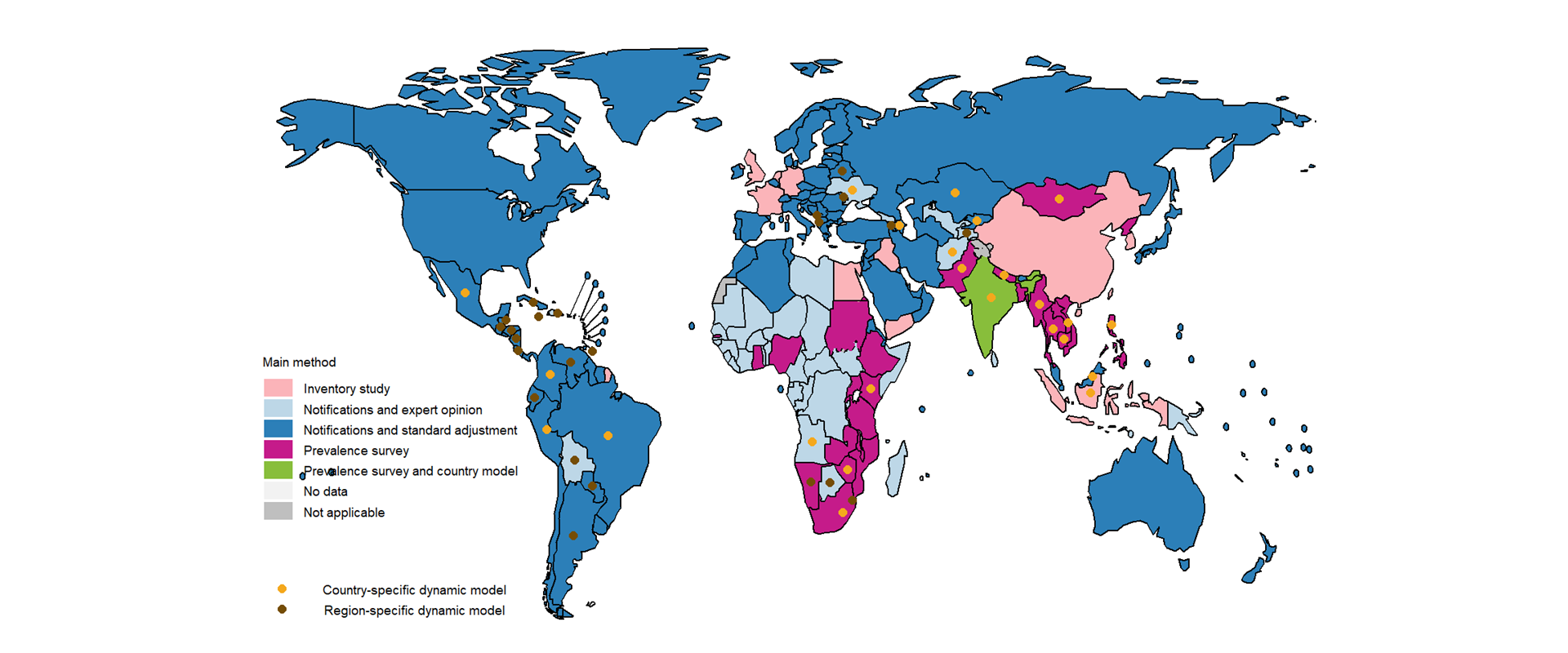
In 2024, the world faces an alarming reality: India has once again topped the global chart for tuberculosis (TB) cases, according to the latest report by the World Health Organization (WHO). Despite significant efforts over the years, TB remains a formidable health challenge in India, underscoring the urgent need for intensified interventions, robust healthcare infrastructure, and innovative approaches to curb this ancient yet persistent disease.
The Magnitude of the Problem: India’s Record-Breaking TB Numbers
India Accounts for a Quarter of the World’s TB Cases
Recent WHO data reveals that **India accounts for approximately 25% of all new TB cases reported globally** in 2024. This statistic highlights the disproportionate burden borne by India, reflecting both the scale of the problem and the challenges inherent in tuberculosis control. The country sees a staggering number of new TB patients every year, making it a focal point for global TB eradication strategies.
Highest Global Cases in 2024
The report confirms that India recorded the highest number of tuberculosis cases worldwide in 2024. While the numbers are declining in some parts of the country, the overall case load remains daunting. The persistent prevalence not only affects individual health and productivity but also strains the healthcare system and hampers economic development.
Progress Amid Challenges: Significant Decline in TB Incidence
Annual Reduction Rate of 21%
Encouragingly, WHO reports that India has achieved a 21% decline in TB incidence annually in recent years. This progress indicates that current efforts are yielding positive results, although it is far from sufficient to meet the ambitious goal of eliminating TB as a public health threat by 2030. Consistent decline is essential, but the absolute number of cases still necessitates urgent and targeted action.
Combating Drug-Resistant Strains
Another critical aspect of the current report is the surge in drug-resistant tuberculosis strains. India, like many other high-burden countries, is experiencing a rise in cases resistant to standard TB medications, complicating treatment protocols and increasing the risk of transmission. This development underscores the importance of strengthening drug stewardship, ensuring complete treatment adherence, and investing in research to develop new therapeutics.
The Paradox: Significant Progress But Persistent Problem
- 21% reduction in TB cases annually, signaling effective interventions and increased awareness.
- However, India still bears 25% of global TB patients, highlighting the scale of ongoing challenges.
- Drug-resistant TB surge threatens to undo gains made, demanding urgent attention.
- Funding deficits remain a looming threat to sustained and expanded TB control programs.
Challenges Faced in TB Control
Funding and Resource Allocation
The fight against TB in India is hampered by funding challenges. WHO points out that global and domestic funding for TB programs are not always sufficient to meet the rising demands. Without adequate resources, initiatives such as widespread testing, treatment, and community outreach suffer, leading to missed cases and ongoing transmission.
Social Determinants and Stigma
Beyond the medical realm, social factors play a significant role. Poverty, malnutrition, crowded living conditions, and stigma associated with TB often discourage timely healthcare seeking behavior, thereby contributing to the persistence of the disease.
Health Infrastructure and Accessibility
In many rural and underserved areas, healthcare infrastructure remains inadequate. Limited access to diagnostic facilities and quality treatment prolongs transmission cycles and hampers overall containment efforts. Strengthening primary healthcare and integrating TB services into universal health coverage are crucial steps forward.
Strategies for the Future: What Needs to Be Done?
Enhanced Surveillance and Diagnostics
Investing in innovative diagnostics such as rapid molecular tests can significantly improve case detection rates. Early diagnosis is key to reducing transmission and initiating effective treatment promptly.
Community Engagement and Education
Reducing stigma and raising awareness about TB symptoms and treatment options encourage early health-seeking behavior. Community health workers can play a vital role here, especially in remote areas.
Strengthening Treatment Adherence
Strict adherence to treatment regimens prevents the development of drug-resistant strains. Digital adherence technologies and patient-centered care models can support patients through their treatment journey.
Addressing Social Determinants
Long-term success depends on tackling underlying social issues such as poverty, malnutrition, and poor housing conditions. Intersectoral collaboration is essential for sustainable impact.
The Global Context: India’s Role and Responsibilities
India’s high TB burden makes it a critical player in global TB eradication efforts. International collaborations, funding, and sharing of best practices can accelerate progress. Conversely, the rise of drug-resistant TB strains in India poses a threat not just domestically, but globally, especially given the ease of cross-border transmission.
Conclusion: A Call for Renewed Commitment
The 2024 WHO report serves as both a stark reminder and a rallying cry. While India has made commendable progress, the persistent high rates of TB, especially drug-resistant strains, demand unwavering commitment from policymakers, healthcare providers, civil society, and individuals alike. The fight against TB is far from over, and only through concerted, sustained efforts can India hope to turn the tide and move closer to a TB-free future.
In summary:
- India recorded the highest TB cases globally in 2024, highlighting the disease’s ongoing burden.
- Despite a 21% yearly decline, TB remains a major health threat, with a significant number of drug-resistant cases.
- Addressing the social determinants, improving healthcare infrastructure, ensuring funding, and fostering innovation are vital for success.
Let us remember that eradication of tuberculosis is achievable, but it requires **collective effort, relentless innovation, and political will**. The journey ahead is challenging, but with sustained commitment, a TB-free India remains an attainable dream.
For more updated news please keep visiting Hourly Prime News.