

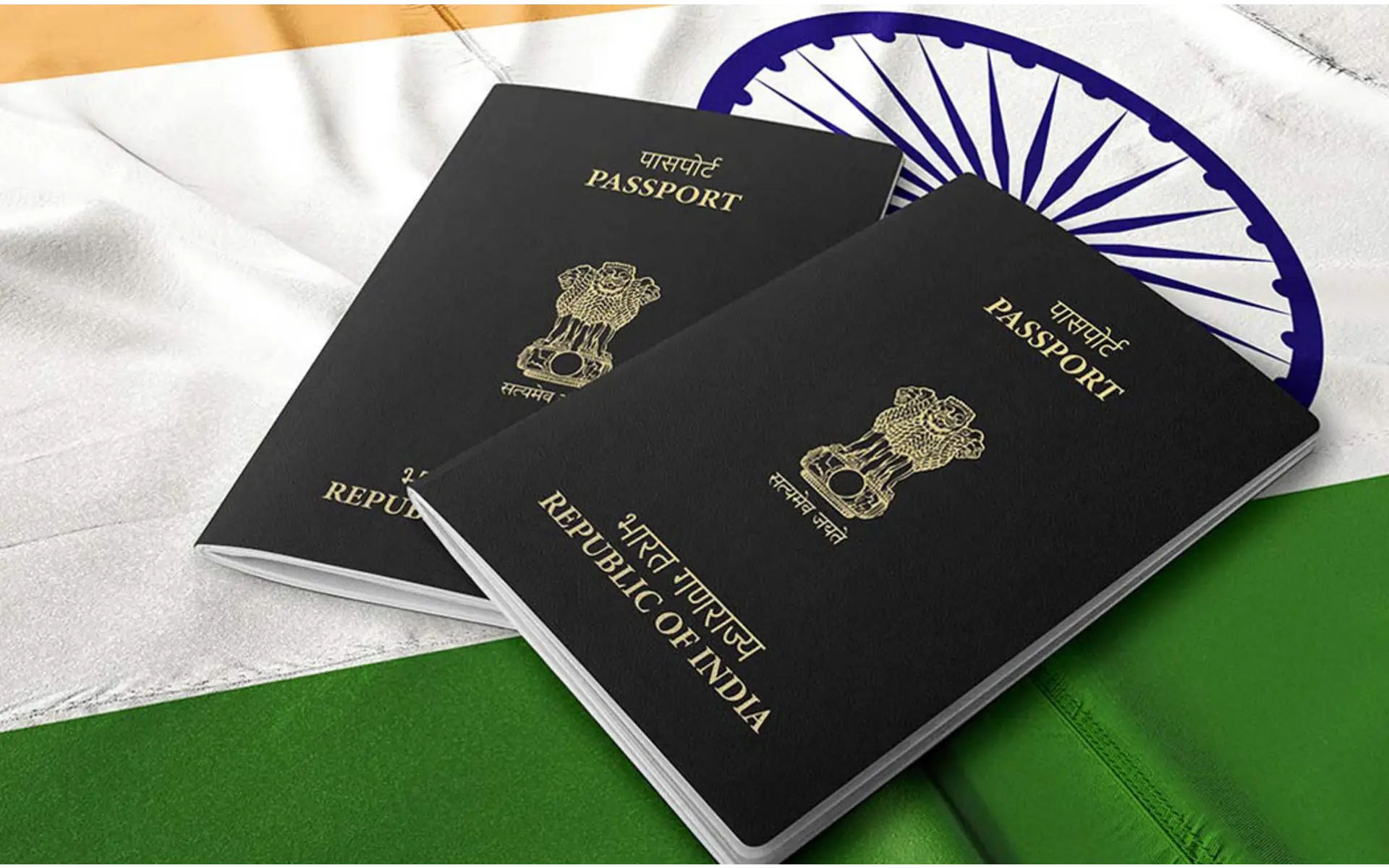
In a surprising turn of events, India’s passport has experienced a significant decline in its global ranking, slipping to the 85th position on the most recent passports index. Meanwhile, the United States, which has traditionally maintained a strong position, has fallen out of the top 10. These developments highlight the dynamic nature of global mobility rights and reflect broader geopolitical and diplomatic shifts that influence passport strength worldwide.
Understanding the Passport Power Index
The passport strength index is an assessment that measures the visa-free or visa-on-arrival access that a country grants to its citizens. It is an important indicator of a nation’s diplomatic relationships, international stature, and safety standards. Countries at the top of this index possess extensive bilateral agreements that facilitate easier travel for their citizens, whereas countries with lower scores often face restrictions or limited access due to diplomatic tensions, security concerns, or other geopolitical reasons.
India’s Disappointing Decline
Recently, India’s passport has fallen to the 85th position on the Henley Passport Index 2025. This ranking indicates that Indian passport holders now enjoy visa-free or visa-on-arrival access to approximately 57 countries, a figure that reflects a modest increase but still ranks far behind many other nations. The decline can be attributed to a combination of geopolitical tensions, recent diplomatic shifts, or restrictions imposed due to global and regional conflicts.
According to India’s passport falls to 85th rank in the world’s most powerful passports index; US drops out of top 10 for (The Times of India), the reasons behind this decline include diplomatic restrictions due to geopolitical challenges as well as tightening visa policies of some countries.
The Impact of Diplomatic and Geopolitical Factors
The decline in India’s passport rank is emblematic of a broader trend influenced by diplomatic relations. As nations reevaluate their international partnerships and security protocols, visa policies often become more restrictive. Diplomatic tensions, border disputes, or strained bilateral ties can lead to reduced visa-free access, ultimately impacting a passport’s power.
Recent developments, such as strained relations with neighboring countries or global geopolitical shifts, have played a role in curtailing some of India’s visa exemptions. For example, certain countries have tightened entry requirements for Indian travelers, which directly affects the passport’s ranking. One illustration of this is India’s slip on the India Slips To 85th Spot On 2025 Henley Passport Index. Here Are 57 Countries You Can Visit Visa-Free) – demonstrating the tangible effects of diplomatic fluctuations.
The US Passport and Its Recent Decline
Historically, American passports have been among the most powerful, offering visa-free access to over 190 countries. However, recent indices show that the US has also experienced a decline, falling out of the top 10 rankings for 2025. This shift underscores that geopolitical tensions and evolving visa policies are affecting even the world’s superpowers.
For instance, the US passport drops out of top 10 in global ranking, here’s where India stands as Asian nations dominate list, signifying a shift in the diplomatic landscape that impacts travel freedoms even for historically strong passports.
Broader Implications of Passport Rankings
- Diplomatic Relations: Passport power is a reflection of a country’s diplomatic strength and international relationships. Countries investing in stronger global ties tend to secure more visa-free agreements, enhancing their citizens’ travel freedom.
- Economic and Social Impact: Visa restrictions can affect tourism, international business, and cultural exchange. A lower passpn rank can limit opportunities for business travelers and tourists, impacting a country’s economy.
- Security Concerns and Policy Shifts: The global security environment continually influences visa policies. Countries may tighten or relax entry requirements based on perceived threats or diplomatic negotiations, directly impacting passport rankings.
Future Outlook and Strategies for India and the US
India’s recent decline underscores the importance of strategic diplomatic engagement to improve visa agreements and strengthen international relations. Policies aimed at easing travel restrictions, fostering bilateral ties, and ensuring a secure environment can help in climbing the passport rankings.
Similarly, the US needs to revisit its visa policies in light of changing global dynamics. Maintaining high passport strength is not just about international reputation but also about facilitating citizens’ mobility and economic interests.
Concluding Remarks
Passport rankings are a tangible metric of international diplomacy, security, and global trust. India, once promising a rapid rise in passport strength, now faces challenges that necessitate focused diplomatic efforts to regain and improve its position. Conversely, the US’s recent ranking drop serves as a reminder that even the strongest passports are vulnerable to shifts in the geopolitical landscape.
This ongoing evolution in passport power indices calls for countries to actively pursue diplomatic clarity, regional stability, and international cooperation to ensure their citizens enjoy seamless global mobility.
As global circumstances change, so will the indices — but the goal remains the same: fostering a world where citizens can traverse borders with ease and security. Both India and the US must adapt to this reality with proactive strategies and strengthened diplomatic ties.
For more updated news please keep visiting Hourly Prime News.