

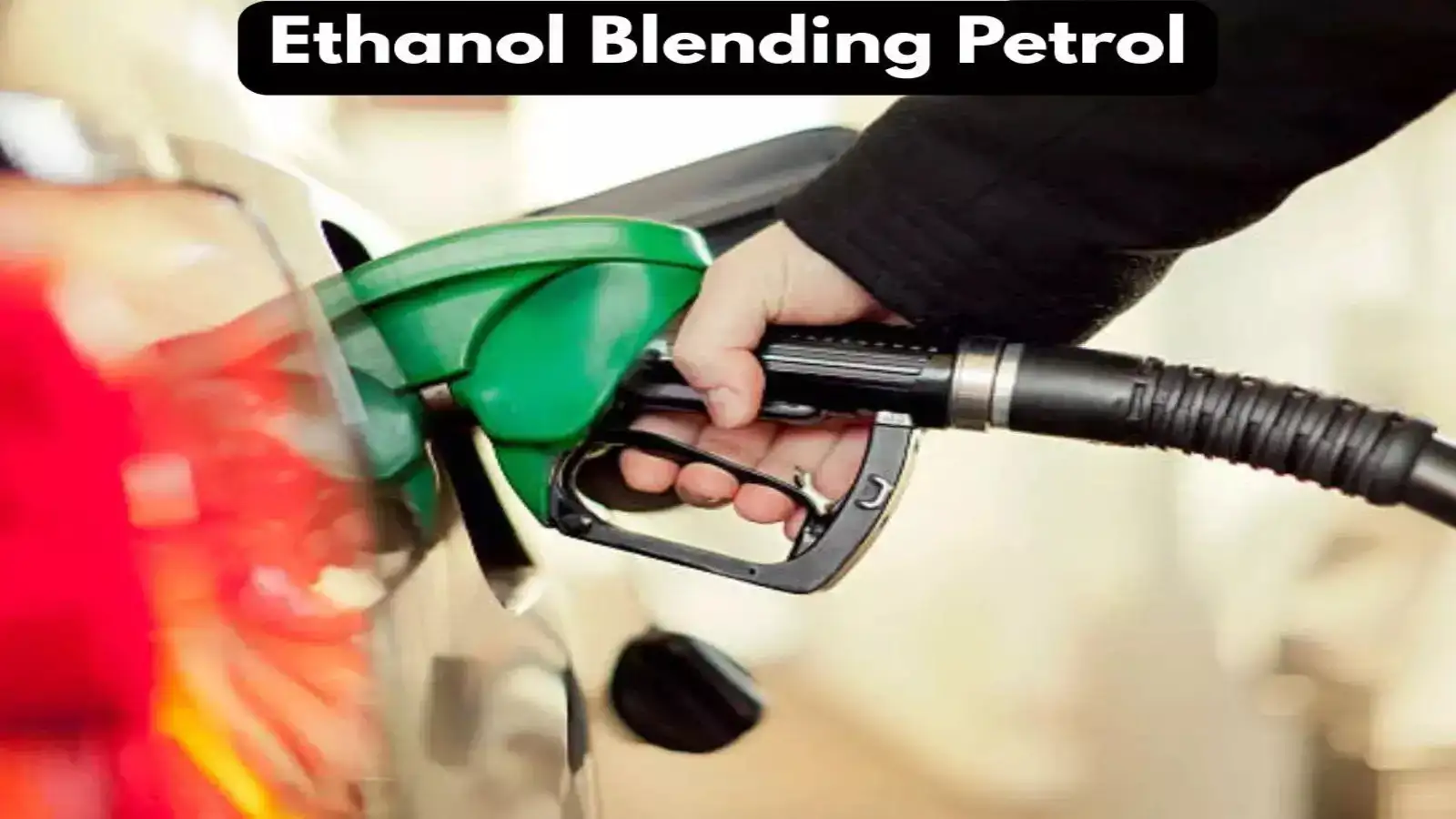
India has long been grappling with a significant challenge: how to reduce its dependence on imported crude oil while simultaneously promoting environmentally friendly transportation options. In this context, the government’s recent push to promote ethanol blending in petrol marks a pivotal shift. By encouraging the use of ethanol—produced primarily from crops like sugarcane and maize—the government aims to increase renewable fuel adoption, reduce carbon emissions, and bolster rural economies through expanded agriculture markets.
However, this strategic move is not without its complexities and controversies. While the auto sector and policymakers herald this initiative as a major milestone in India’s energy transition, stakeholders such as vehicle owners and urban consumers are raising concerns over unforeseen costs and operational challenges. As India accelerates its ethanol blending ambitions, it becomes imperative to evaluate both the benefits and the potential pitfalls.
The Ethanol Push: Goals and Government Initiatives
The Indian government has set ambitious targets under its National Policy on Biofuels, aiming for 20% ethanol blending by 2025. This effort intends to displace roughly 12-15% of petrol consumption with ethanol, contributing to a significant reduction in greenhouse gases. The policy also aims to:
- Reduce India’s dependence on imported oil, thereby improving trade balances
- Support farmers through increased demand for sugar and other biofuel crops
- Promote technological advancements in ethanol production and distribution
To realize these goals, Ministries involved have introduced various incentives such as financial subsidies, infrastructure development, and flexible fuel vehicle (FFV) policies. The recent interest in expanding ethanol blending capacities also aligns with Prime Minister Narendra Modi’s broader vision of a self-reliant and environmentally sustainable India.
Impacts on the Auto Sector: A Win for Green Innovation
In the auto industry, the ethanol policy has been seen as a catalytic force. Vehicle manufacturers are developing flex-fuel vehicles capable of running on higher ethanol blends—up to 20% or even 85% in some cases—leading to an influx of greener, cost-effective alternatives for consumers.
Advantages for the Auto Sector include:
- Expansion of vehicle options, appealing to environmentally conscious buyers
- Potential reduction in vehicle emissions, strengthening compliance with global environmental norms
- Boost to automotive R&D investments in alternative fuel technology
Furthermore, ethanol-blended fuels generally have a higher octane rating, which can enhance engine performance and efficiency in certain models. These developments position India as a potential global leader in flex-fuel vehicle markets.
Concerns and Challenges: Did the Government Overlook Potential Costs?
While the benefits are promising, critics argue that the government may have overlooked the disadvantages and costs associated with a rapid ethanol adoption.
Rising Fuel Costs and Consumer Burden
One of the primary concerns is the potential increase in fuel prices. Despite the government’s efforts to stabilize ethanol prices and incentivize production, market volatility and supply constraints could lead to higher costs for fuel consumers. The reliance on specific crops like sugarcane makes the ethanol supply susceptible to weather conditions, pests, and crop yields, which in turn affect fuel prices.
According to industry analyses, a swift shift to higher ethanol blends might result in:
- Increased fuel costs for consumers, especially in urban areas
- Higher operational costs for vehicle owners, particularly those with older or non-flex-fuel vehicles
- Potential inflationary pressures on transportation and goods movement
Vehicle Compatibility and Infrastructure Gaps
Not all vehicles on Indian roads are designed to handle higher ethanol blends. Many existing petrol engines may experience durability issues or reduced lifespan when regularly fueled with volatile or high-ethanol content fuels. Upgrading vehicle hardware and fueling infrastructure requires significant investment, which may slow down widespread adoption.
Moreover, refining and distributing ethanol-based fuels at scale remains a logistical challenge. Limited supply chains, inadequate blending stations, and lack of consumer awareness can hinder seamless implementation of ethanol vehicles and fuel stations.
Environmental and Agrarian Considerations
The push for ethanol also raises environmental concerns. Large-scale cultivation of crops for ethanol production could lead to:
- Deforestation and loss of biodiversity if not managed sustainably
- Increased water consumption, putting pressure on already scarce water resources
- Potential food versus fuel conflicts, affecting food prices and security
The balance between promoting renewable energy and safeguarding environmental and food security is delicate. Critics warn that an overemphasis on ethanol could divert agricultural resources from food crops to biofuel crops, risking inflation in food prices and nutritional concerns.
Balancing Policy Goals with Practical Realities
India’s ethanol policy is undoubtedly a bold attempt to steer the country towards cleaner energy consumption and economic boost for rural farmers. Yet, its success hinges on careful planning, balanced implementation, and addressing critical concerns.
The industry advocates for:
- Enhanced research in sustainable cropping and ethanol production technologies
- Development of robust supply chains and fueling infrastructure
- Including broad stakeholder consultations to ensure policies consider auto industry, farmers, environmentalists, and consumers
Meanwhile, government agencies must also focus on:
Mitigating inflationary impacts through price controls and subsidies, ensuring vehicle compatibility, and preparing urban centers for the infrastructural shifts needed for higher ethanol blending.
Conclusion: Navigating the Road Ahead
India stands at a crossroads with its ethanol policy—a pioneering step toward sustainable mobility and energy independence. However, as the government fuels the auto sector’s green revolution, it must also navigate the potential risks of rising fuel costs, infrastructure inadequacies, and environmental trade-offs.
For nationwide success, a phased and adaptable approach is vital—one that incorporates technological innovations, stakeholder feedback, and sustainability principles. Only then can India truly harness the full potential of ethanol as a clean fuel alternative without placing an unsustainable burden on vehicle owners and the economy.
In sum, the ethanol push offers a promising pathway but requires cautious implementation to avoid unintended economic and environmental consequences.
Key Takeaways:
- The government’s ethanol policy aims for 20% blending by 2025, with long-term environmental and economic benefits.
- Auto industry is poised to benefit through development of flex-fuel vehicles and greener technologies.
- Potential drawbacks include increased fuel costs, infrastructure needs, and environmental concerns over crop cultivation.
- Stakeholder collaboration and sustainable practices are essential for balanced growth.
For more updated news please keep visiting Hourly Prime News.