

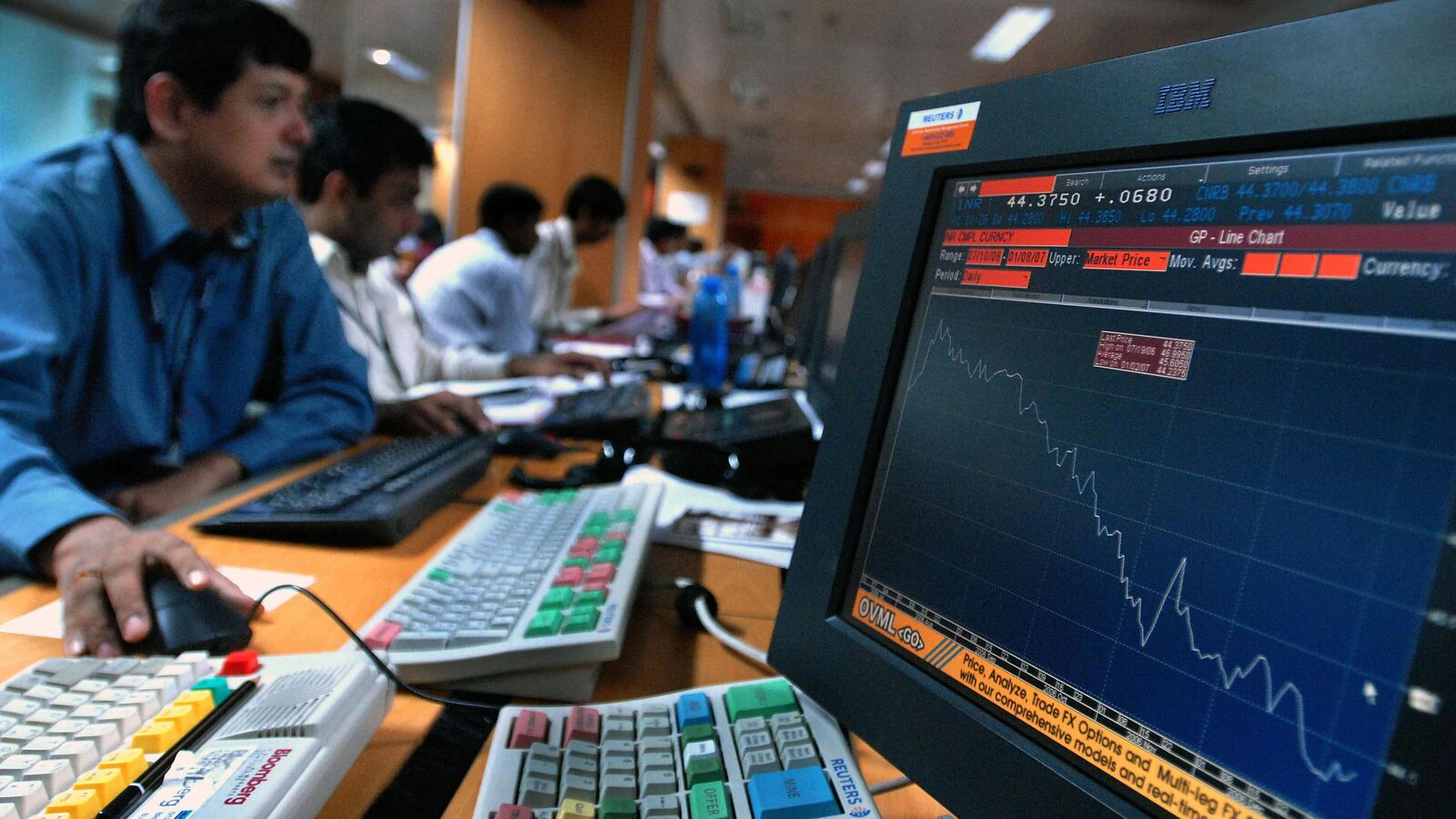
The Indian stock market experienced a significant upheaval overnight, marked by a complex interplay of global and domestic factors. From the rebalancing of Gift Nifty to the ripple effects of U.S. tariffs and insights from the latest Federal Reserve minutes, investors found themselves navigating through a whirlwind of developments. In this analysis, we delve deep into the key factors that reshaped the market landscape, providing a comprehensive understanding of the recent shifts and what they imply for future market trajectories.
Understanding the Gift Nifty Rebalancing
The concept of Gift Nifty has gained prominence as a reflection of India’s robust ETF and derivative markets. Recently, market participants observed a notable rebalancing of Gift Nifty, which primarily influences liquidity and trading dynamics in the Indian equity derivatives space. This rebalancing was triggered by changes in underlying index constituents, shifts in sector weightings, or strategic adjustments by large institutional investors.
What makes the Gift Nifty shift crucial is its impact on market sentiment and liquidity. A well-executed rebalancing can inject momentum into specific sectors, prompting increased trading activity and potentially altering the market’s direction in the short term. Conversely, an imbalanced rebalancing can lead to volatility, especially if driven by unexpected changes or aggressive repositioning by traders.
Global Headwinds: Trump Tariffs and Trade Tensions
The U.S.-China trade tensions continue to be a significant concern for emerging markets like India. Recent announcements by the U.S. government regarding new tariffs on imports, particularly targeting Chinese goods, have caused unease among global investors. While the U.S. claims these tariffs aim to protect American industries and balance trade deficits, they also risk escalating trade wars that could disrupt supply chains globally.
For India, the implications are multi-faceted. On one hand, increased tariffs on Chinese goods could benefit Indian exporters by reducing Chinese competition in certain sectors. On the other, the overarching trade uncertainty exacerbates concerns about global economic growth slowdown, which in turn dampens investor appetite for risk assets.
Furthermore, India’s trade links with both the U.S. and China mean that its markets are sensitive to such geopolitical moves. The recent tariff announcements prompted some profit-booking and cautious trading, leading to quick shifts in market indices. The key takeaway for investors is to stay vigilant about international trade developments and their potential to cause sudden market corrections.
Fed Minutes and U.S. Monetary Policy Outlook
Another critical factor influencing Indian markets overnight was the release of the Federal Reserve’s latest minutes. The minutes revealed a cautious stance from the Fed, suggesting that interest rate hikes might be paused or slowed down amidst concerns over sluggish global growth and inflationary pressures.
This dovish shift was interpreted as a positive signal for emerging markets, including India, since lower U.S. interest rates tend to reduce the outflow of foreign capital and support local asset prices. However, it also indicates increased uncertainty about the future trajectory of U.S. monetary policy, which could lead to bouts of volatility as investors adjust their expectations.
Other Key Developments Overnight
- Macroeconomic Data Updates: Several economic indicators from the U.S. and EU highlighted mixed growth signals, further dampening confidence in a robust global recovery.
- International Commodity Prices: Crude oil prices exhibited volatility due to geopolitical tensions and supply concerns, influencing Indian inflation expectations and trade balances.
- Corporate Earnings Reports: Some Indian blue-chip companies reported quarterly results that either exceeded or missed estimates, impacting sectoral indices and sector-specific trading strategies.
Implications for Indian Investors
The overnight developments underscore the importance of a cautious yet opportunistic approach for Indian investors. The key takeaways include:
• Keep a close eye on global cues: International trade policies, U.S. monetary policy signals, and geopolitical tensions can have immediate repercussions on Indian markets.
• Diversify and hedge risks: With increased volatility, diversifying across sectors and asset classes, including currency and commodities, can help mitigate downside risks.
• Monitor sector-specific impacts: Post-Gift Nifty rebalancing, certain sectors might outperform or lag, offering potential entry or exit points.
• Stay informed about domestic policies: Government policies on taxation, infrastructure projects, and reforms continue to shape market momentum.
Looking Ahead: What to Expect?
While overnight shifts have introduced some uncertainty, they also open windows of opportunity for well-informed investors. As the global economic situation evolves, Indian markets are likely to exhibit resilience, especially if U.S. monetary policy stabilizes and trade tensions ease. However, vigilance remains essential, and quick adaptation to new information will be the key to navigating the upcoming weeks.
In conclusion, the recent market upheaval is a testament to the interconnectedness of global and domestic factors shaping India’s stock market. From Gift Nifty rebalancing to the latest Federal Reserve insights and U.S. tariffs, each element plays a vital role in investors’ decision-making landscape. Staying updated and maintaining strategic agility will be crucial to capitalize on emerging opportunities and safeguard investments amidst volatility.
For more updated news please keep visiting Hourly Prime News.