

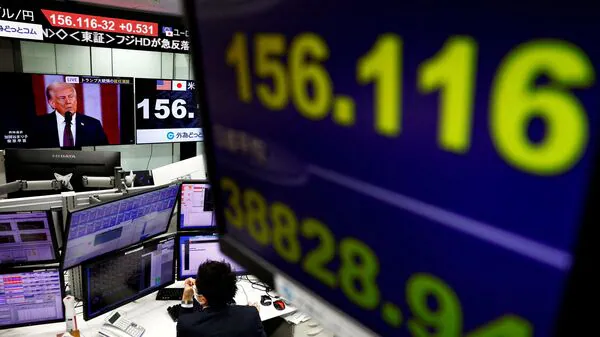
The Indian stock market is a dynamic arena that reacts swiftly to global and domestic developments. Recent overnight changes have once again demonstrated how interconnected and sensitive the markets can be. From the launch of the Gift Nifty to the speculation over Trump tariffs and the influential Q2 corporate results, each factor plays a pivotal role in shaping investor sentiment and market trajectories. Let’s delve deeper into these key overnight shifts that have left investors and analysts buzzing with activity and analysis.
Major Factors Influencing Indian Market Overnight
1. Introduction of Gift Nifty: A Novel Trading Instrument
One of the most intriguing developments overnight was the official launch of the Gift Nifty. This innovative instrument was introduced as part of regulatory efforts to enhance market efficiency and investor engagement. Gift Nifty essentially offers a new avenue for traders to hedge their positions or speculate on market movements more precisely. Its debut has led to increased liquidity and diverse trading strategies, impacting the broader indices and sectoral performances. Market participants are closely watching how Gift Nifty influences daily trading volumes and volatility in the coming weeks.
2. Trump Tariffs: Rising Tensions Impacting Global and Indian Markets
The announcement and speculation surrounding potential Trump tariffs have caused ripples in global financial markets, including India. While the tariffs are primarily a US-China trade issue, their ripple effects extend globally, affecting investor risk appetite. Indian markets, sensitive to global cues, saw pre-market jitters as traders weighed the prospects of increased tariffs disrupting supply chains and raising costs for multinational companies operating in India. Such geopolitical tensions invariably lead to increased volatility, with traders adjusting their positions based on evolving news reports.
3. Samsung Q2 Results: Corporate Earnings Set the Tone
On the corporate front, the Samsung Q2 results played a significant role overnight. Samsung, being a bellwether for global electronics and technology markets, influences perceptions of supply chain health, consumer demand, and technological innovation. Positive earnings reports invigorated investor sentiment towards tech stocks, while disappointing figures sparked caution. Indian tech and manufacturing stocks responded accordingly, with some witnessing sharp moves both upward and downward, depending on their exposure to the Korean electronics giant.
Additional Key Developments Overnight
4. Global Market Movements and Their Indian Counterpart
Alongside local developments, global market indices such as the US Dow Jones and European stocks experienced fluctuations based on macroeconomic data releases and geopolitical reports. These movements directly impacted Indian investor sentiment, as markets often follow global cues. The overnight trading sessions showed a mix of cautious optimism and risk-off sentiment, emphasizing the interconnectedness of global financial systems.
5. Domestic Policy Announcements and Economic Indicators
While most Indian policy updates are announced during daytime sessions, some preliminary comments and leaks often surface overnight, influencing market perceptions. In recent times, hints about upcoming reforms in sectors like infrastructure, technology, and banking have been factored into overnight trading strategies. Additionally, macroeconomic indicators such as foreign inflow figures and currency movements played their part in setting the tone.
6. Sentiment Emerging from U.S.-India Trade Talks
Trade negotiations between the U.S. and India often generate overnight market activity. As news of progress or setbacks trickles in, sentiments swing accordingly. Recent rumors about tariff negotiations and bilateral agreements caused electrophoric responses in Indian indices, especially in sectors like textiles, agriculture, and IT services.
7. Sectoral Surprises and Market Movers
Numerous sectors experienced overnight shifts driven by company-specific news or sector-wide developments. For example:
- Banking & Financials: Major banking stocks saw movements based on liquidity forecasts and policy signals.
- IT & Tech: Tech giants’ earnings and innovations influenced the IT index’s overnight direction.
- Pharma & Healthcare: News about drug approvals or regulatory changes affected investor preferences.
8. Investor Sentiment and Future Outlook
All these factors build a complex picture of how overnight developments influence investor mindset. While some traders capitalize on short-term volatility, long-term investors analyze these shifts for strategic positioning. Analysts suggest that the interplay between global cues such as tariffs and earnings results will continue to dictate market trends in the near future, emphasizing the need for vigilant and informed trading strategies.
Conclusion: Navigating the Overnight Waves
Market participants must stay alert to these overnight shifts, understanding that each piece of news—from regulatory instruments like Gift Nifty to geopolitical tensions like Trump tariffs—can have ripple effects reaching into the heart of Indian equity markets. The recent developments underscore the importance of a broad, global perspective combined with sector-specific analysis to make informed decisions.
As the Indian market continues to adapt to rapid overnight changes, investors are advised to maintain a balanced approach, diversifying their portfolios, and keeping abreast of global economic indicators. The overnight shifts serve as a reminder that the stock market is an ever-evolving ecosystem, where timing, strategy, and information are key.
For more updated news please keep visiting Hourly Prime News.