

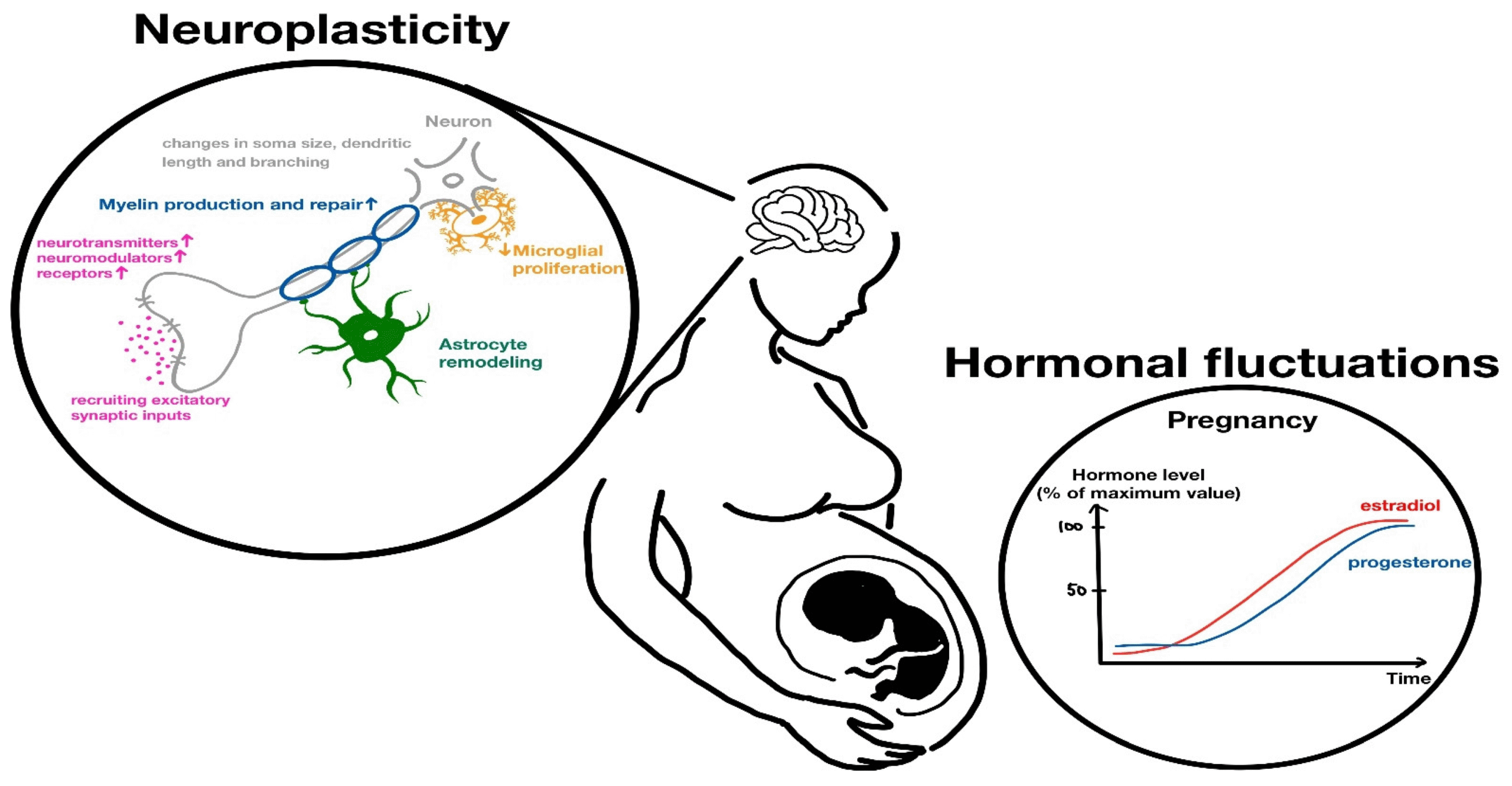
Recent groundbreaking research by Indian scientists has unveiled a critical genetic switch that regulates the initiation of pregnancy. This discovery not only advances our understanding of human reproductive biology but also paves the way for innovative treatments for infertility and pregnancy-related complications. The findings have garnered attention across scientific and medical communities, emphasizing the potential to transform reproductive health management in India and globally.
The Significance of the Discoverery
Pregnancy is a complex biological process governed by a finely balanced interplay of hormones, cellular signals, and genetic factors. Despite extensive research, the precise genetic regulators involved in initiating pregnancy remained largely elusive until now. The newly discovered genetic switch acts as a master regulator, turning on the cascade of events necessary for successful embryo implantation and pregnancy progression.
This discovery is especially significant given the high rates of infertility and pregnancy loss faced by women worldwide, including in India. By identifying this switch, scientists can better understand why certain pregnancies fail to develop properly. It also opens avenues for diagnosing and intervening in reproductive issues at a genetic level, potentially leading to more effective and personalized fertility treatments.
Unraveling the Mechanism Behind the Genetic Switch
The research team, comprising leading Indian geneticists and reproductive biologists, employed advanced genomic sequencing techniques and molecular biology tools to study the uterine environment during early pregnancy phases. Their investigations revealed a specific gene, referred to as HOXA10, along with another gene called TWIST2, that work together to control the transition from a receptive uterus to one primed for embryo implantation.
The Role of HOXA10 and TWIST2
HOXA10, well known for its role in developmental processes, was found to be crucial for preparing the uterine lining for pregnancy. Its expression levels increase in response to hormonal cues, enabling the uterine tissue to become receptive to an embryo. Conversely, TWIST2 functions as a regulatory factor that modulates cellular differentiation and immune responses within the uterus, facilitating a hospitable environment for the embryo.
Together, these genes act as a genetic ‘on-off’ switch, tightly regulated to ensure that the uterus is receptive only at the appropriate time. Disruptions or mutations in this switch can lead to implantation failure, miscarriage, or infertility. Understanding this mechanism provides the scientific community with clear targets for therapeutic intervention.
Implications for Fertility Treatments and IVF
The identification of this genetic switch has profound implications for assisted reproductive technologies like in-vitro fertilization (IVF). By screening for the proper functioning of HOXA10 and TWIST2, fertility clinics can assess uterine receptivity more accurately. This would enable doctors to tailor treatment protocols, such as hormone therapy or gene expression modulation, to improve success rates.
Furthermore, novel gene therapy approaches could be developed to activate or enhance this switch in women with recurrent implantation failure. Such targeted interventions promise to revolutionize infertility treatment, making it more effective and less invasive. The discovery also offers hope for women experiencing unexplained pregnancy losses, guiding them towards personalized medical solutions.
The Role of Indian Scientific Communities in Advancing Reproductive Biology
The discovery underscores India’s growing prominence in genetic research and reproductive science. Facilities and universities across India have invested heavily in genomics and biotechnology, leading to several breakthroughs in recent years. This particular finding by Indian scientists is a testament to the country’s scientific prowess and commitment to solving complex health issues.
Moreover, this research aligns with India’s broader goal of improving maternal health and reducing infant mortality. As India faces a significant burden of reproductive health challenges, such foundational scientific discoveries are crucial in formulating policies, public health strategies, and innovative clinical solutions.
Future Directions and Challenges
While the discovery is a remarkable milestone, translating these findings into practical therapies requires further research. Challenges include the development of safe gene modulation techniques, understanding the genetic variations among diverse populations, and ethical considerations surrounding genetic interventions.
Collaborations between geneticists, clinicians, and policymakers will be essential to bring these scientific advances from the lab bench to the bedside. Long-term studies are also needed to assess the safety, efficacy, and ethical implications of manipulating genetic switches involved in pregnancy.
Global Context and Potential for International Impact
Although this research was conducted in India, the principles of genetic regulation of pregnancy are universal. As such, the findings have global relevance, especially in countries facing similar reproductive health challenges. International collaborations can accelerate the development of diagnostic tools and therapies derived from this groundbreaking work.
Additionally, the discovery fosters a deeper understanding of reproductive biology, which may benefit the development of contraceptive methods or treatments for pregnancy-related disorders worldwide.
In Conclusion
The identification of a pivotal genetic switch controlling pregnancy initiation stands as a landmark achievement by Indian scientists. It marks a new frontier in reproductive medicine, offering hope to millions struggling with infertility and pregnancy loss. As research progresses, this discovery has the potential to revolutionize reproductive health strategies, making pregnancy success more attainable through personalized and targeted approaches.
India’s scientific community continues to demonstrate exceptional capabilities in tackling complex biological processes, contributing to global health advancements. The journey from understanding genes like HOXA10 and TWIST2 to clinical applications promises a future where reproductive challenges are met with innovative, precise solutions.
Let us celebrate Indian scientific excellence and look forward to a future where every endeavor brings us closer to healthier, happier families worldwide.
For more updated news please keep visiting Hourly Prime News.