

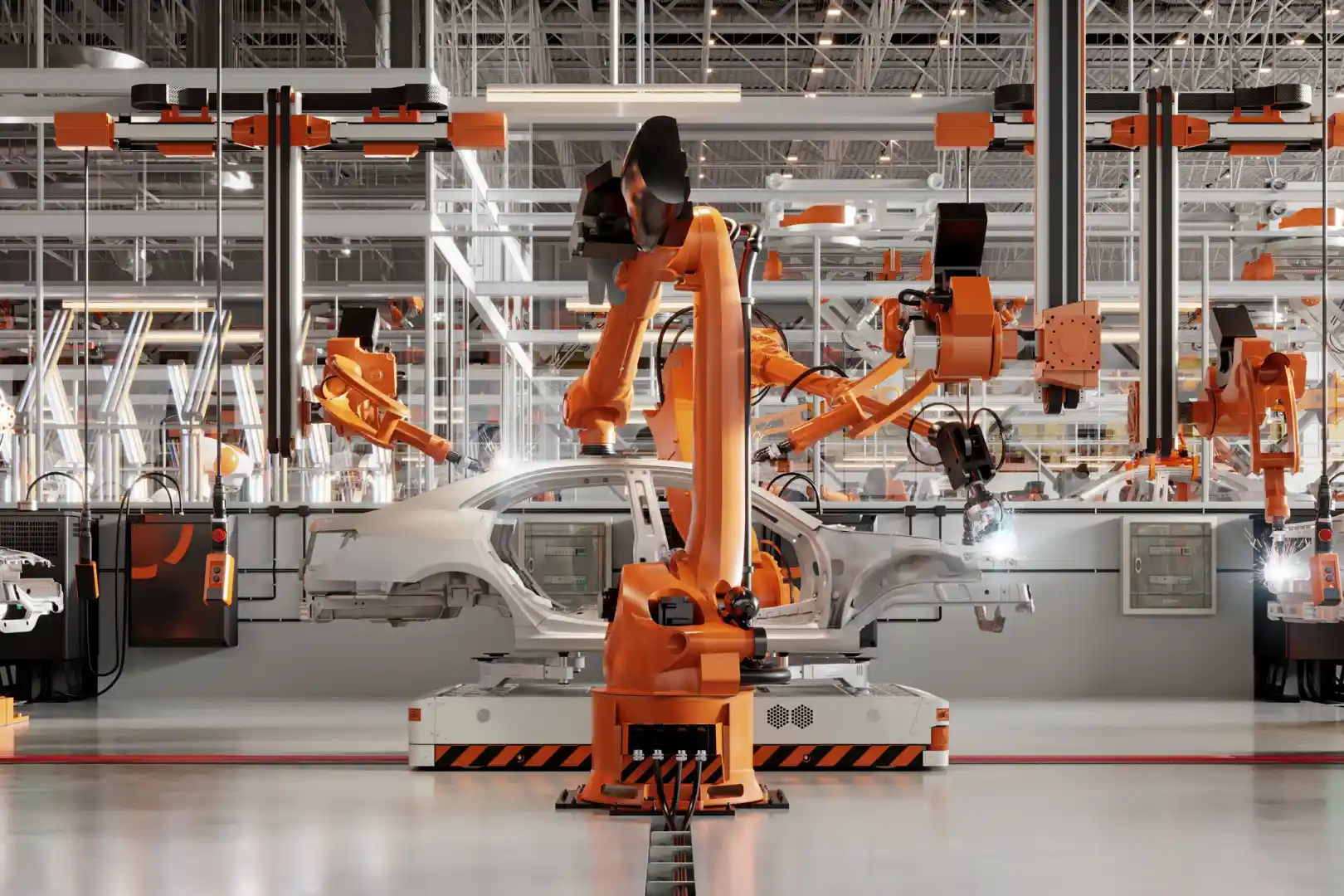
In recent years, the global automotive industry has witnessed a significant shift as automakers seek to diversify their manufacturing bases and enhance international presence. Among these, Indian automakers have emerged as formidable players, leveraging their cost competitiveness, technological innovations, and strategic vision. Now, fueled by a desire to tap into African markets and beyond, Indian automotive companies are actively expanding their manufacturing footprint in South Africa—a region recognized for its industrial potential and strategic importance.
Why South Africa? The Magnet for Automotive Expansion
South Africa has long been regarded as a vital hub in Africa’s economic landscape. Its advanced infrastructure, skilled workforce, and well-established automotive supply chain make it an attractive destination for automotive manufacturing. Additionally, regional trade agreements such as the African Continental Free Trade Area (AfCFTA) lower tariff barriers, facilitating easier access to neighboring markets. These factors combined with the regional demand for vehicles—ranging from passenger cars to commercial vehicles—make South Africa an ideal location for Indian automakers to expand their manufacturing capabilities.
The Growing Presence of Indian Automakers in South Africa
Recent Initiatives and Investments
Indian automotive giants are stepping up their game in South Africa, with several key initiatives setting the tone for a broader expansion strategy. As per recent reports, companies like Tata Motors, Mahindra & Mahindra, and Ashok Leyland are investing in new manufacturing facilities or expanding existing ones. These investments are aimed at increasing production capacity, introducing new models tailored for regional preferences, and establishing a reliable supply chain network.
For instance, Tata Motors has announced plans to set up a manufacturing unit dedicated to light commercial vehicles (LCVs) to serve both the South African market and neighboring countries. Mahindra, known for its rugged SUVs and utility vehicles, is also ramping up local production to meet rising demand and reduce costs associated with importing vehicles. Such efforts are backed by government incentives aimed at boosting local manufacturing and encouraging exports.
Market Dynamics and Growth Opportunities
The South African automotive industry is experiencing steady growth, driven by increasing urbanization, rising middle-class income, and governmental policies promoting manufacturing. Indian automakers are recognizing these trends and positioning themselves to capitalize on them. The regional demand for affordable yet reliable vehicles is substantial, especially in markets like Nigeria, Kenya, and other southern African countries. By establishing local manufacturing hubs, Indian automakers can:
- Reduce costs: Local production helps cut import tariffs and logistics expenses.
- Improve responsiveness: Manufacturing within the region enables quicker adaptation to market needs.
- Expand export potential: South African production centers can serve as export hubs to other African nations.
Technological and Environmental Considerations
One of the critical aspects driving expansion is the shift toward electric vehicles (EVs) and environmentally friendly technologies. Indian automakers are investing in sustainable mobility solutions, aligning with global efforts to reduce carbon emissions. Collaborations with South African tech firms and government initiatives on EV infrastructure are paving the way for the introduction of electric models tailored for African consumers.
Further, these companies are focusing on innovations such as modular manufacturing, which allows flexibility in vehicle production, and integrating advanced safety features suited for diverse terrains and road conditions prevalent across Africa.
Challenges and Strategic Responses
Despite the promising outlook, Indian automakers face challenges such as regulatory complexities, fluctuating exchange rates, and infrastructural issues. Addressing these hurdles requires strategic planning, local partnerships, and active engagement with regulatory authorities.
For example, Tata Motors has formed joint ventures with local firms to navigate regulatory landscapes more effectively. Similarly, Mahindra has invested in training programs to ensure a skilled workforce capable of maintaining high-quality standards in manufacturing.
Future Outlook: Sustained Growth and Innovation
Looking ahead, the trajectory of Indian automakers in South Africa looks promising. As they expand their manufacturing footprint, focus on innovation, and align with regional sustainability goals, their presence is poised to grow substantially. This expansion not only benefits Indian companies but also contributes to South Africa’s industrial diversification, job creation, and economic development.
Furthermore, the collaboration fosters technology transfer and skills development, which are crucial for long-term industry growth. The integration of advanced manufacturing technologies, electric mobility solutions, and AI-driven logistics management will define the future landscape of Indian automotive expansion in Africa.
Conclusion: A Win-Win Strategy for Growth
The expansion of Indian automakers into South Africa symbolizes a strategic move towards a more integrated and resilient global automotive ecosystem. By establishing manufacturing bases in South Africa, Indian companies are positioning themselves not just for regional growth but also for a competitive presence in the wider African market. This approach aligns with India’s broader vision of strengthening international trade relations and technological collaboration.
With continued investments, innovation, and strategic partnerships, Indian automakers can expect to harness substantial growth opportunities in South Africa and beyond, ultimately contributing to a more diverse and sustainable automotive industry.
For more updated news please keep visiting Hourly Prime News.