

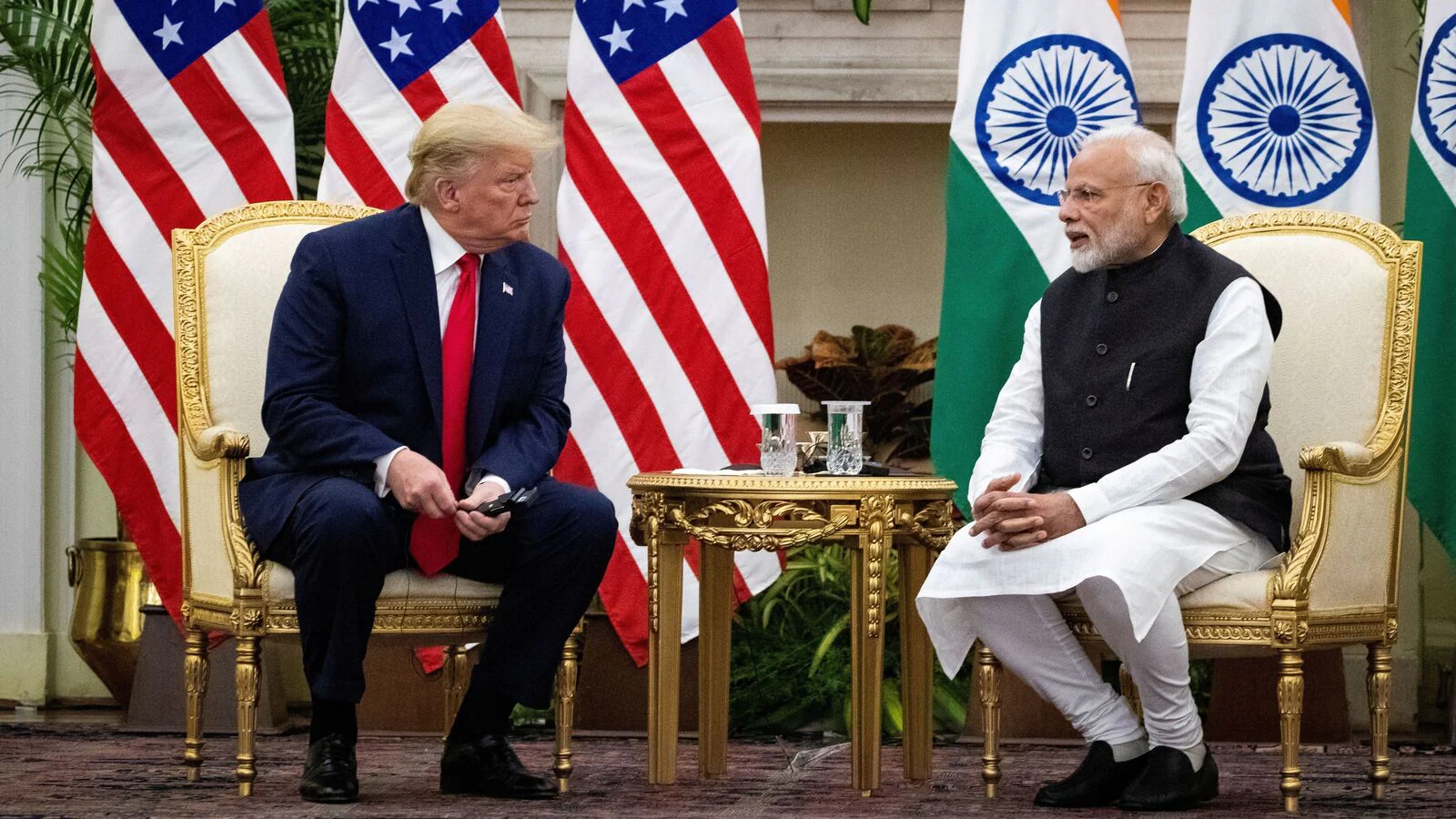
The recent announcement of a potential *India-US trade agreement* has sent waves of optimism through markets and political corridors alike. From stock market rallies to diplomatic buzz, the buzz around this deal suggests a new era of economic cooperation. However, beneath this optimistic veneer lies a complex web of tariffs, trade tensions, and strategic asymmetries that cannot be ignored. As traders, policymakers, and ordinary citizens celebrate the prospects of freer trade, it is crucial to critically analyze whether this euphoria is grounded in economic realities or merely a transient sentiment fueled by political narratives.
The Euphoria Surrounding the India-US Trade Deal
Market Reactions and Political Signals
The announcement of ongoing negotiations and potential reforms have resulted in a palpable surge in investor confidence. Stock markets, both in India and globally, have responded positively, driven by hopes of increased exports, foreign investment, and strengthened diplomatic ties. Political figures on both sides have expressed optimism about deepening economic cooperation, emphasizing the mutual benefits of reduced tariffs and streamlined trade mechanisms.
Many experts interpret this as a strategic move to counterbalance China’s influence and to foster closer ties in a rapidly shifting geopolitical landscape. For Indian policymakers, the prospect of gaining better access to the lucrative US market is enticing; meanwhile, American interests focus on securing supply chains and opening new avenues for exports.
Diplomatic and Economic Aspirations
Diplomatically, the trade deal symbolizes a broader pivot towards a multifaceted partnership. The narrative often highlights the potential for creating millions of jobs, boosting GDP growth, and forging a resilient economic alliance resistant to global uncertainties. These aspirations are underpinned by the assumption that the deal will lead to *favorable terms*, significantly benefiting Indian industries like technology, pharmaceuticals, and agriculture.
Is the Euphoria Ignoring Trump’s Tariff Reality?
The Tariff Landscape and Its Discontents
Despite the optimistic outlook, it is vital to recognize the *tariff policies* that continue to shape the US trade landscape. During Donald Trump’s presidency, tariffs became a central tool in the US’s trade strategy, especially targeting China, Mexico, and parts of Europe. These tariffs aimed to protect domestic industries but also introduced significant friction into traditional trade relationships.
Renewed talks with India do not necessarily mean a full rollback of tariffs. In fact, reports suggest that many tariffs remain intact or are only being reduced incrementally. As highlighted in the Read more on the stock market implications here), many tariffs linger, creating a *reality check* that should temper initial enthusiasm.
Trade Imbalances and Structural Challenges
Even if tariffs are reduced, structural issues such as trade imbalance, intellectual property concerns, and regulatory barriers remain pressing. India runs a significant trade deficit with the US, and the deal could potentially tilt the economic scales further. The US has historically maintained tariffs to safeguard its manufacturing, technology, and agricultural sectors, which are often at odds with India’s export ambitions.
Moreover, many industry leaders caution that the mere signing of a trade deal does not guarantee long-term economic synergy. Many agreements are contingent upon domestic political climate, compliance measures, and ongoing negotiations, which may not always be transparent or immediate.
Beyond the Headlines: What Does This Mean for Global Trade?
The Broader Geopolitical Context
The India-US trade deal is part of a larger narrative of shifting global alliances. With tensions rising between the US and China, countries like India are attempting to carve out niches of economic cooperation. While a bilateral agreement may bring immediate benefits, it also signifies a potential realignment of supply chains and geopolitical balances.
For global markets, this means increased competition and new opportunities but also higher volatility, as ongoing tariff disagreements or geopolitical disputes could rapidly alter the trade landscape.
Possible Risks and Points of Caution
- Unfinished Tariff Reductions: Not all tariffs may be eliminated, and some industries could remain protected on both sides.
- Trade Deficit Concerns: Increased imports from the US could exacerbate India’s trade deficit, leading to inflationary pressures.
- Trade Disputes & Protections: Political changes or protectionist sentiments could derail the agreements.
- Implementation Challenges: Ensuring compliance, monitoring agreements, and addressing non-tariff barriers are complex and time-consuming processes.
Conclusion: A Cautiously Optimistic Outlook
The India-US trade deal holds the promise of economic growth, closer diplomatic ties, and strategic leverage in a multipolar world. However, the hype must be tempered by the persistent realities of tariffs, trade imbalances, and structural barriers. While the initial euphoria reflects hope and determination, both sides need to remain pragmatic and patient to realize the full benefits of this agreement.
As markets and policymakers navigate this evolving landscape, maintaining a balanced view—recognizing both opportunities and challenges—is crucial. The true test of this deal will lie in its implementation and in fostering a sustainable, mutually beneficial economic partnership.
For more updated news please keep visiting Hourly Prime News.