

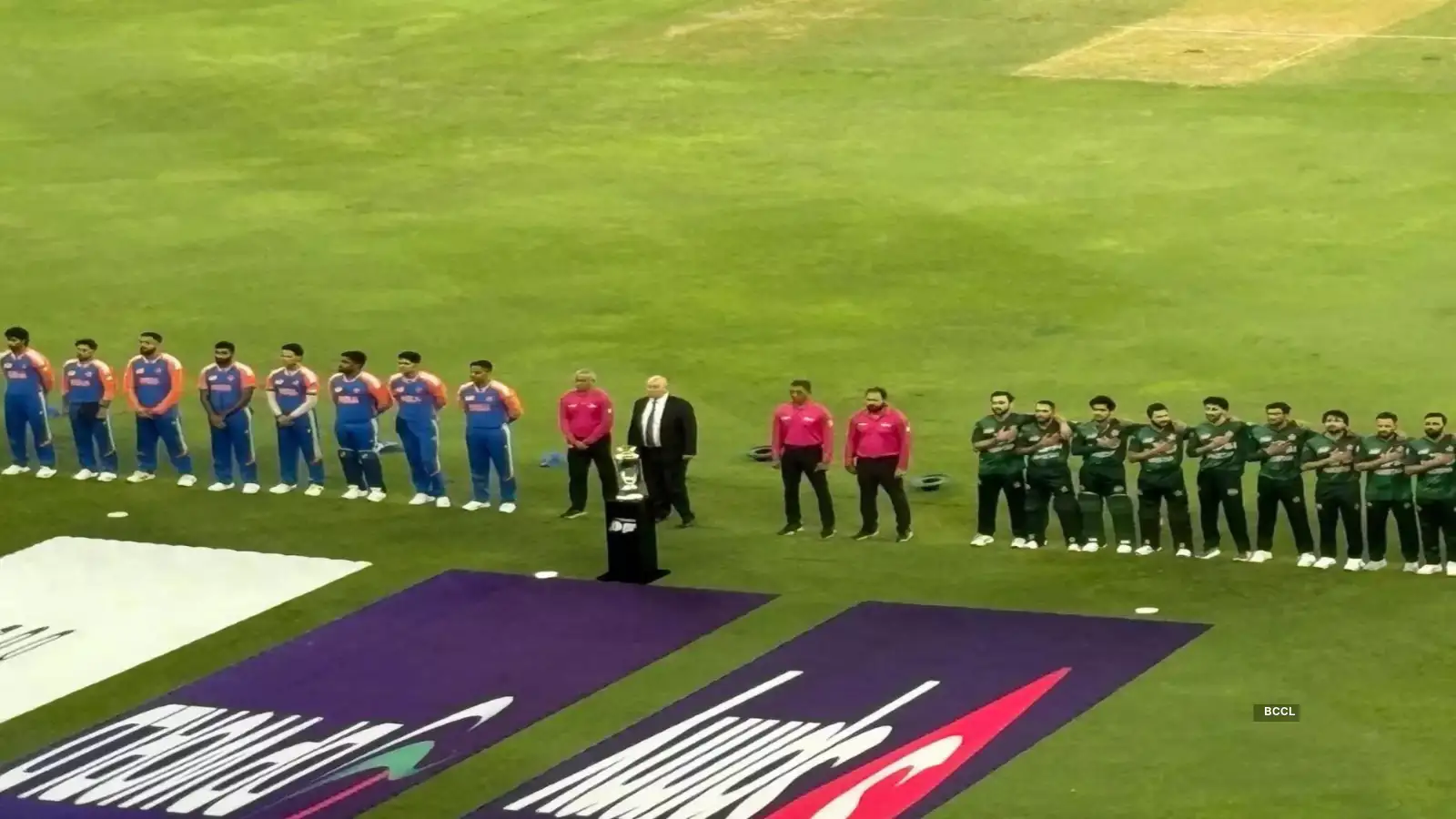
The recent Asia Cup cricket match between India and Pakistan has once again reignited the long-standing tensions between the two neighboring nations. While cricket is often seen as a unifying sport, some moments off the field have sown seeds of discord, highlighting the complex political and diplomatic undercurrents that accompany sporting events. The controversial post-match handshake incident has become the main focus of attention, leading to official protests and widespread discussions across media outlets.
The Incident: What Exactly Happened?
Refusal of Handshake and Its Ramifications
Following the intense match, Bollywood and cricket fans expected a gesture of camaraderie during the customary handshake between players. However, reports indicate that Indian players refused to shake hands with their Pakistani counterparts, leading to a visibly awkward moment on the field. This refusal was perceived as a political statement rather than merely a sportsmanlike gesture, given the strained diplomatic relations between the two countries. Pakistan, feeling insulted and disrespected, lodged a formal protest with the Asian Cricket Council (ACC) over what they termed as a “deliberate” refusal of handshake, an act seen as disrespectful and provocative.
Pakistan’s Response: The Protest and Its Context
Official Protest Filed with ACC
According to reports from The Hindu, Pakistan has officially lodged a formal protest with the Asian Cricket Council (ACC) over the refusal of handshake by Indian players.
In the complaint, Pakistan officials alleged that such behavior goes beyond sportsmanship and reflects political undertones, further adding fuel to the already volatile relationship between the two nations. This protest has been a major talking point in cricketing circles, sparking debates about the intersection of politics and sports.
International Reactions and Media Perspectives
Media Coverage and Public Opinion
The incident received extensive media coverage, with many outlets analyzing the potential motives and implications behind the Indian players’ actions. Some view this act as a silent protest or expression of disapproval, fueled by ongoing political tensions. Others see it as a breach of the traditional spirit of sportsmanship that the cricketing fraternity strives to uphold.
- In The Hindu, the perspective varies from a strict political stance to a broader discussion on sportsmanship ethics.
- Cricket legends like Suresh Raina have shared their inside views, claiming that the atmosphere in the dressing rooms was tense, with little enthusiasm for the game perhaps due to political pressures. As Raina pointed out, “No one wanted to play, everyone was just forced to be there,” reflecting the strained environment surrounding these matches.
Recent Developments and Political Undertones
Statements from Cricketers and Political Figures
Post-match reactions from Indian cricket personalities like Gautam Gambhir have also highlighted these issues. Gambhir, known for his outspoken stance, publicly Gautam Gambhir’s comments further emphasize the subtle yet impactful protests made by Indian players, who feel their actions symbolize frustrations with political tensions.
Implications for Future Indo-Pak Cricket Encounters
Sport, Politics, and Diplomacy
This incident exemplifies the delicate balance between sport and politics, especially in a context as sensitive as Indo-Pak relations. When diplomatic ties are strained, sporting rivalries often become battlegrounds for political statements, whether intentional or subconscious.
Cricket authorities and policymakers are now faced with the challenge of maintaining the sport’s spirit while respecting the sensitivities of both nations. The protest lodged by Pakistan could lead to further diplomatic engagements or at least prompt the cricket boards to establish clearer guidelines for player conduct during international tournaments.
Conclusion
The post-match handshake controversy in the Asia Cup has not only led to formal protests but also reignited debates about the role of sports in political expression. As cricket fans and global observers watch closely, the incident underscores the ongoing complex relationship between India and Pakistan, where history, politics, and sport intersect in ways that can both unite and divide.
- It highlights the need for sports authorities to foster an environment where competitiveness does not overshadow mutual respect and sportsmanship.
- Ultimately, such incidents serve as a reminder that cricket, often termed the “gentleman’s game,” must strive to be apolitical and inclusive, bridging divides rather than deepening them.
Moving forward, the hope remains that future encounters can be navigated with greater mutual understanding, ensuring that the game remains a platform for peace and camaraderie rather than discord and protest.
For more updated news please keep visiting Hourly Prime News.