

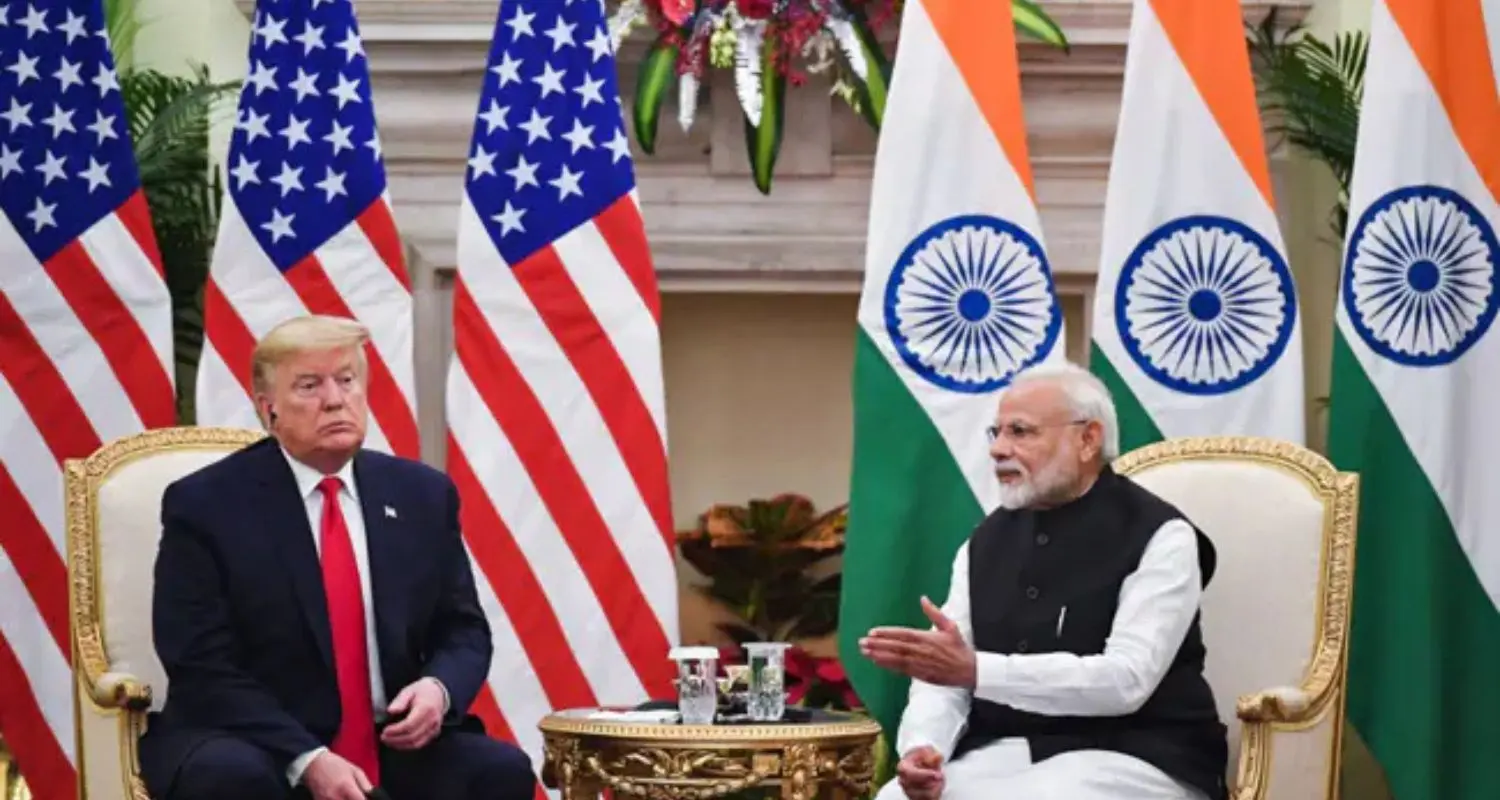
In recent developments, the international trade environment has become increasingly tumultuous, primarily driven by escalating tensions between the United States, Russia, and other global economic players. India, as one of the world’s fastest-growing economies with a significant export sector, finds itself at a critical juncture. According to live updates from Times of India on the recent tariff impositions, India is now bracing for potential 25% tariffs and penalties in connection with its trade activities related to Russia. This shift is prompting concern among exporters and policymakers alike, as they prepare for a scenario that could significantly impact trade flows and economic stability.
Background: The Roots of Rising Tariffs
The backdrop to this scenario involves complex geopolitical tensions that have redefined international trade policies. The recent sanctions and tariff measures predominantly stem from ongoing conflicts and diplomatic disagreements involving major powers like the US and Russia. As per the reports, **the US has announced a series of tariffs aimed at various commodities**, citing national security and economic safeguarding motives. While India has historically maintained a non-aligned stance, the new measures threaten to disrupt its trade relations, especially in sectors where India exports significant quantities of goods to Russia and other affected countries.
Impact on India’s Trade and Economists’ Perspectives
Experts warn that a **25% tariff**, coupled with penalties, could have ripple effects across multiple industries. Key areas especially vulnerable include:
- Pharmaceuticals — which are heavily exported to Russia, especially in generic medicines and active pharmaceutical ingredients (APIs);
- Machinery & Electronics — which forms an essential part of India’s export portfolio;
- Agricultural Products — including spices, tea, and other farm produce that find markets in Russia and neighboring countries;
- Textiles and Garments — a sector already facing stiff competition and now potentially further burdened by increased tariffs.
This development has put Indian exporters on edge, fearing that increased tariffs might make their products less competitive in international markets, particularly in Russia. As highlighted by trade analysts, the sudden imposition of such measures can lead to **trade diversion**—where goods may be rerouted through third-party countries or markets—ultimately affecting India’s export revenue.
Government Response and Strategic Challenges
The Indian government has been actively monitoring the situation. While official statements emphasize commitment to safeguarding national economic interests, there is apprehension about the potential long-term impact of these tariffs and penalties. Policymakers are exploring various avenues, including:
- Diplomatic Engagements to seek exemption or reduction of tariffs;
- Strengthening Trade Partnerships with alternative markets such as Southeast Asia, Africa, and Latin America;
- Encouraging Domestic Production to reduce dependency on imports vulnerable to tariffs.
Furthermore, Indian exporters and industry bodies are calling for urgent government intervention and supportive measures, including tax reliefs, export subsidies, or diplomatic negotiations to mitigate the adverse effects of the tariffs.
Implications for India’s Economy
While the broader economic landscape remains resilient, the sector-specific impacts could be considerable. Increased tariffs generally lead to a rise in the cost of exports, which can dampen demand from importers facing their own economic challenges. Additionally, the penalties and strict enforcement mechanisms may discourage Indian businesses from engaging in trade activities involving Russia, forcing a reevaluation of supply chains and international commitments.
Moreover, such trade disruptions could influence foreign investment sentiments. Investors tend to favor stable and predictable markets; thus, political and economic uncertainties stemming from tariff battles might slow foreign direct investment (FDI) inflows into India.
Looking Forward: Navigating the Troubled Waters
India’s path forward requires a multifaceted approach. Here are some of the key strategies likely to be adopted:
- Engaging in Diplomatic Negotiations: The primary step is fostering dialogue with the US and Russia to seek tariff exemptions or remedial measures.
- Diversifying Markets: Indian exporters need to diversify their export destinations to mitigate risks associated with specific markets facing tariffs.
- Enhancing Domestic Capabilities: Promoting local production and reducing reliance on imports vulnerable to international sanctions can provide a buffer against global trade shocks.
- Strengthening Regional Cooperation: Leveraging regional trade agreements and cooperation can open new avenues for Indian goods and services.
Conclusion: A Critical Juncture for India’s Trade Policy
The imposition of 25% tariffs plus penalties presents a formidable challenge but also an opportunity for India to reevaluate and reinforce its trade strategies. While immediate disruptions are anticipated, the resilience and adaptability of India’s economy will be crucial in weathering this storm. As global geopolitical tensions continue to escalate, India must navigate these complex trade dynamics meticulously, balancing diplomatic engagements with pragmatic economic measures.
Ultimately, the upcoming months will be decisive in shaping the future of India’s trade relations, especially with the US and Russia. Proactive policies, diplomatic agility, and strategic diversification will be instrumental in safeguarding India’s economic interests during this turbulent period.
For more updated news please keep visiting Hourly Prime News.