

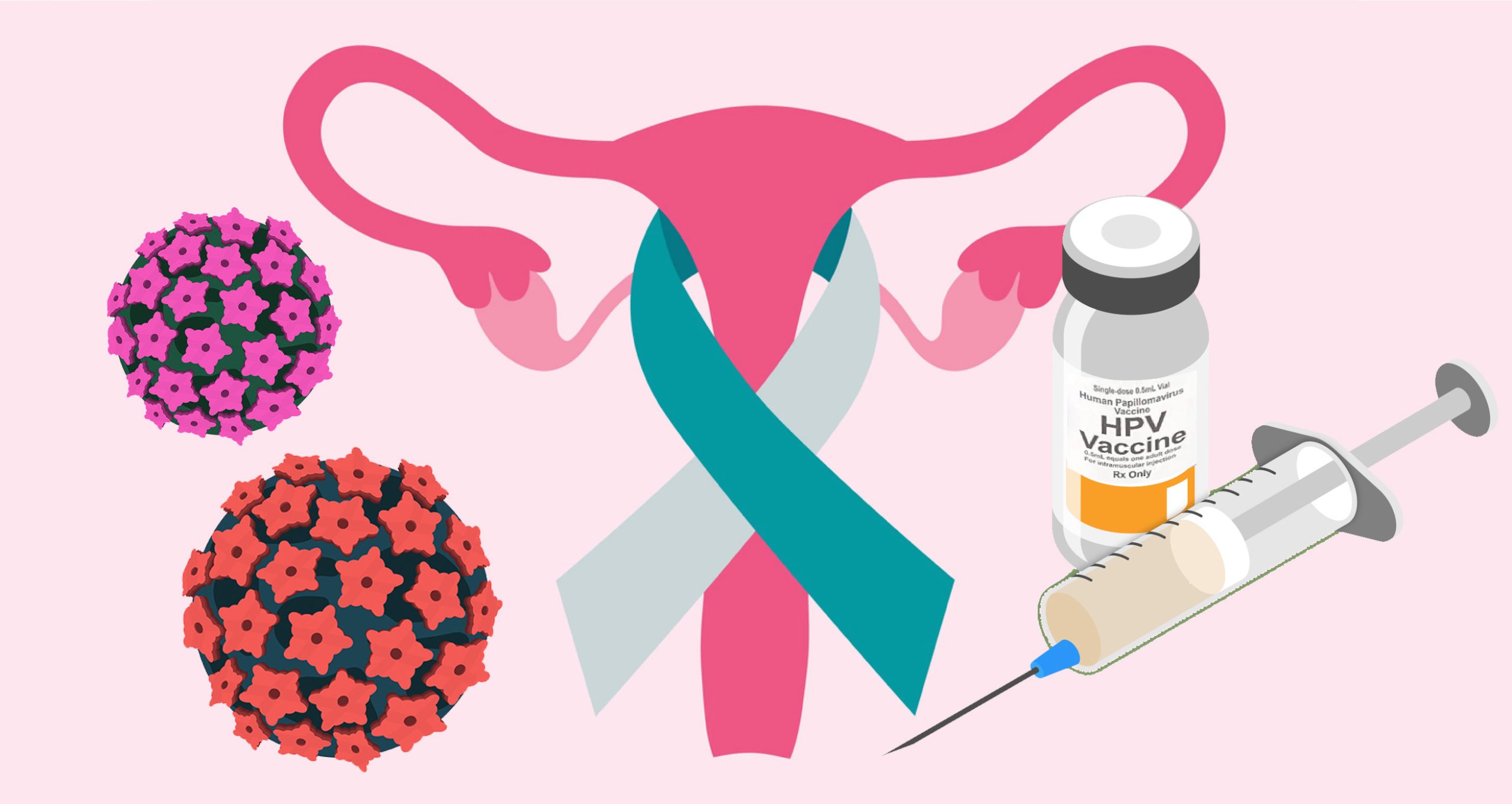
Human Papillomavirus (HPV) vaccination has emerged as a pivotal strategy in the global fight against cervical cancer and other HPV-related diseases. Recognized as a significant public health initiative, vaccinating adolescent girls stands out as an effective preventative measure, promising to reduce the burden of cervical cancers and other HPV-associated malignancies. In recent times, efforts to implement widespread HPV vaccination have gained momentum, especially targeting young girls before or during early adolescence.
The Rationale Behind HPV Vaccination for Adolescents
The primary goal of HPV vaccination is to protect against the most common oncogenic strains of the virus, notably HPV 16 and HPV 18, which are responsible for approximately 70% of cervical cancer cases worldwide. Since HPV is primarily transmitted through sexual contact, vaccination at an early stage—before sexual debut—is crucial for maximum effectiveness. The vaccination not only provides direct immunity but also contributes to herd immunity, decreasing overall transmission within communities.
Key reasons for prioritizing adolescent girls for HPV vaccination include:
- Most HPV infections are acquired soon after sexual debut; early vaccination ensures immunity before exposure.
- It offers long-term protection against the development of cervical intraepithelial neoplasia (CIN), precancerous lesions that can evolve into cervical cancer.
- Prevents other HPV-related cancers such as anal, vulvar, vaginal, penile, and oropharyngeal cancers.
Public Health Perspective and Implementation Strategies
Implementing HPV vaccination as a public health initiative involves complex strategic planning, resource allocation, and community engagement. Countries like Australia, the UK, and some Scandinavian nations have already integrated HPV vaccines into their national immunization programs, witnessing significant drops in cervical cancer incidence over time.
Challenges in Adoption and Awareness
Despite proven effectiveness, several hurdles hinder widespread vaccination efforts:
- Vaccine hesitancy fueled by misconceptions, cultural beliefs, and misinformation.
- Lack of awareness among parents and guardians about the safety and benefits of the vaccine.
- Limited access to healthcare facilities, especially in rural or underserved areas.
- Cost and funding issues, particularly in low-resource settings.
Overcoming these barriers requires targeted awareness campaigns, education programs for parents and healthcare providers, and policies that facilitate vaccine accessibility and affordability.
Current Developments and Future Outlook
According to recent reports, including those covered by The Hindu, many countries are now actively ramping up their vaccination campaigns for adolescent girls.
The adoption of HPV vaccination into national immunization schedules is a breakthrough in preventive healthcare. Advanced messaging about the safety profile of HPV vaccines, which have been extensively tested and monitored, has helped to dispel myths. As the vaccination efforts expand, researchers are also exploring the benefits of administering the vaccine to boys, to further curb transmission and provide protection against HPV-related conditions in males.
Significance for Public Health and Community Well-being
The widespread implementation of HPV vaccination has the potential to drastically lower the incidence of cervical and other related cancers, thus reducing healthcare costs and improving the quality of life. It aligns with the global health targets aimed at eliminating cervical cancer as a public health problem by the end of the century. Vaccination programs, coupled with regular screening and early detection, form a comprehensive approach to combat HPV-related diseases.
In essence, HPV vaccination for adolescent girls is more than just a medical intervention; it’s a social movement towards healthier futures, equity in healthcare, and reducing preventable deaths.
Key Takeaways:
- Vaccinating adolescent girls before sexual debut ensures high efficacy.
- Effective public awareness and education are crucial for successful implementation.
- Integration into national immunization programs is vital for wide coverage.
- Continued research and community engagement are needed to address vaccine hesitancy.
Conclusion
The journey towards widespread HPV vaccination for adolescent girls marks a groundbreaking stride in public health. As countries continue to embrace and expand these programs, the vision of a future free from HPV-related cancers becomes increasingly attainable. Governments, healthcare providers, and communities must work together to ensure that this vital vaccine reaches every eligible girl, transforming lives and safeguarding health for generations to come.
For more updated news please keep visiting Hourly Prime News.