

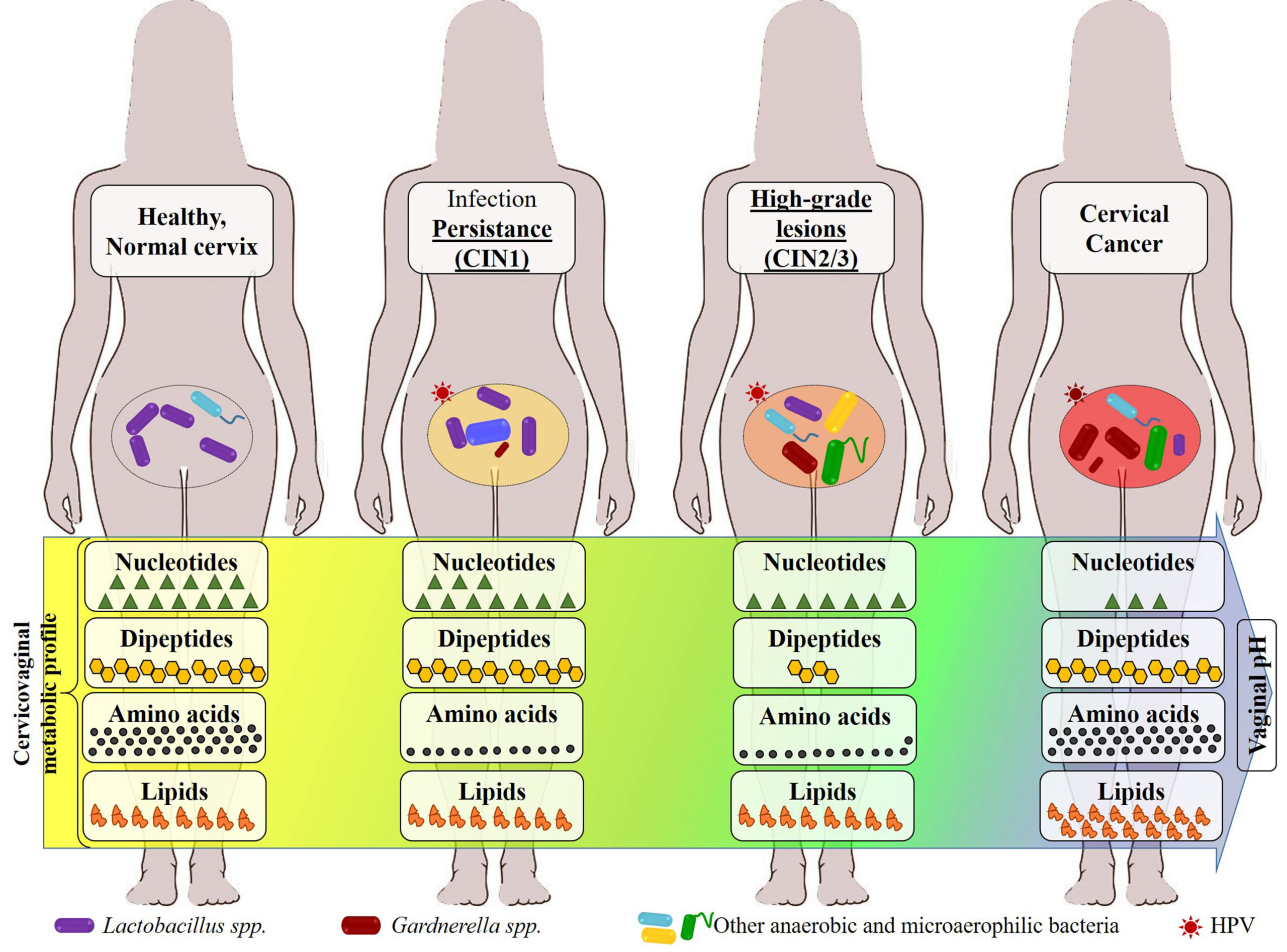
Cervical cancer remains a significant public health challenge worldwide, especially in low- and middle-income countries like India. Among the many factors contributing to cervical carcinogenesis, Human Papillomavirus (HPV) has been identified as the primary etiological agent. Particularly, high-risk HPV types, such as HPV 16 and HPV 18, are strongly associated with the development of precancerous lesions and invasive cervical cancer.
In South India, where screening programs and public health initiatives are still evolving, understanding the relationship between HPV infection and cervical lesion severity is crucial. The regional prevalence of different HPV types, alongside local demographic and behavioral factors, influences the incidence and progression of cervical pathologies.
Understanding Cervical Lesions and Their Classification
Low-Grade vs. High-Grade Lesions
- Low-Grade Squamous Intraepithelial Lesions (LSIL): Often represent transient HPV infections, typically caused by low-risk HPV types. Many LSIL cases regress spontaneously, but persistent infections can progress.
- High-Grade Squamous Intraepithelial Lesions (HSIL): Indicate more severe precancerous changes, with a higher likelihood of progressing to invasive cancer if untreated. These are strongly associated with high-risk HPV types.
Colposcopic examination remains a key diagnostic tool for identifying and classifying these lesions, guiding appropriate management strategies.
Prevalence of High-Risk HPV in South Indian Women
A recent cross-sectional study conducted at a tertiary care center in South India sheds light on the prevalence of high-risk HPV types among women with cervical lesions. The study findings highlight that:
- The detection rate of high-risk HPV correlates significantly with the severity of the cervical lesion.
- Women diagnosed with HSIL show a higher prevalence of high-risk HPV infection compared to those with LSIL or normal cytology.
- HPV Type 16 remains the most common high-risk strain identified, followed by other types like HPV 18 and related variants.
This pattern underscores the importance of HPV typing in diagnostic protocols, especially in regions requiring targeted preventive measures. The high prevalence of HPV 16 and 18 in these lesions affirms their critical roles in the oncogenic process.
Correlation Between HPV Status and Lesion Severity
The study’s core revelation is the strong association between the presence of high-risk HPV and the severity of cervical lesions:
- In women with low-grade lesions: About 60-70% tested positive for high-risk HPV, which indicates a significant proportion of infections are transient and may regress.
- In women with high-grade lesions: Over 85% harbored high-risk HPV, emphasizing the virus’s role in lesion progression and potential malignant transformation.
This clear correlation suggests that persistent high-risk HPV infection is a key driver of lesion progression, underlining the importance of early detection and intervention.
Implications for Screening and Vaccination Strategies
Enhanced Screening Programs
Given the strong link between high-risk HPV and cervical lesion severity, incorporating HPV DNA testing along with cytopathology could significantly improve early detection rates. Regular screening, especially among women aged 30-50, can help identify high-risk infections before lesions develop or progress.
Vaccination and Preventive Measures
The high prevalence of HPV 16 and 18 in the region suggests that vaccination programs targeting these strains could substantially reduce the incidence of high-grade lesions and subsequent cervical cancer. Vaccines like Gardasil and Cervarix are effective in preventing infections with the most common oncogenic HPV types.
Furthermore, public health initiatives should focus on increasing awareness about HPV transmission, safe sexual practices, and the importance of regular screening to minimize disease burden.
Challenges and Future Directions
Despite the clear association between HPV and cervical lesions, several challenges remain in South India:
- Limited accessibility: Screening services are not uniformly available in rural and underserved areas.
- Low awareness: Many women are unaware of HPV and its link to cervical cancer, resulting in delayed diagnosis.
- Vaccination coverage: Cultural barriers and lack of awareness hinder widespread immunization efforts.
Future strategies should aim at integrating HPV testing into routine screening, expanding vaccination programs, and conducting community outreach to improve awareness.
Research should also continue to explore regional HPV prevalence patterns, genotype distributions, and socio-behavioral factors to tailor public health interventions effectively.
Conclusion
The cross-sectional study from South India underscores the critical role of high-risk HPV infection in the pathogenesis and progression of cervical lesions. The strong correlation between HPV status and lesion severity emphasizes the need for integrated screening programs combining cytology and HPV testing. On the preventive front, HPV vaccination targeting prevalent oncogenic strains can serve as a powerful tool in reducing the regional burden of cervical cancer. Continued research and public health efforts are essential to address regional challenges and improve outcomes for women across South India.
In summary:
- High-risk HPV types, especially HPV 16 and 18, are prevalent and strongly associated with high-grade cervical lesions.
- Early detection through combined screening methods can facilitate timely intervention.
- HPV vaccination offers promising potential to lower disease incidence.
- Addressing regional challenges involves increasing awareness, expanding vaccination coverage, and improving access to screening services.
For more updated news please keep visiting Hourly Prime News.