

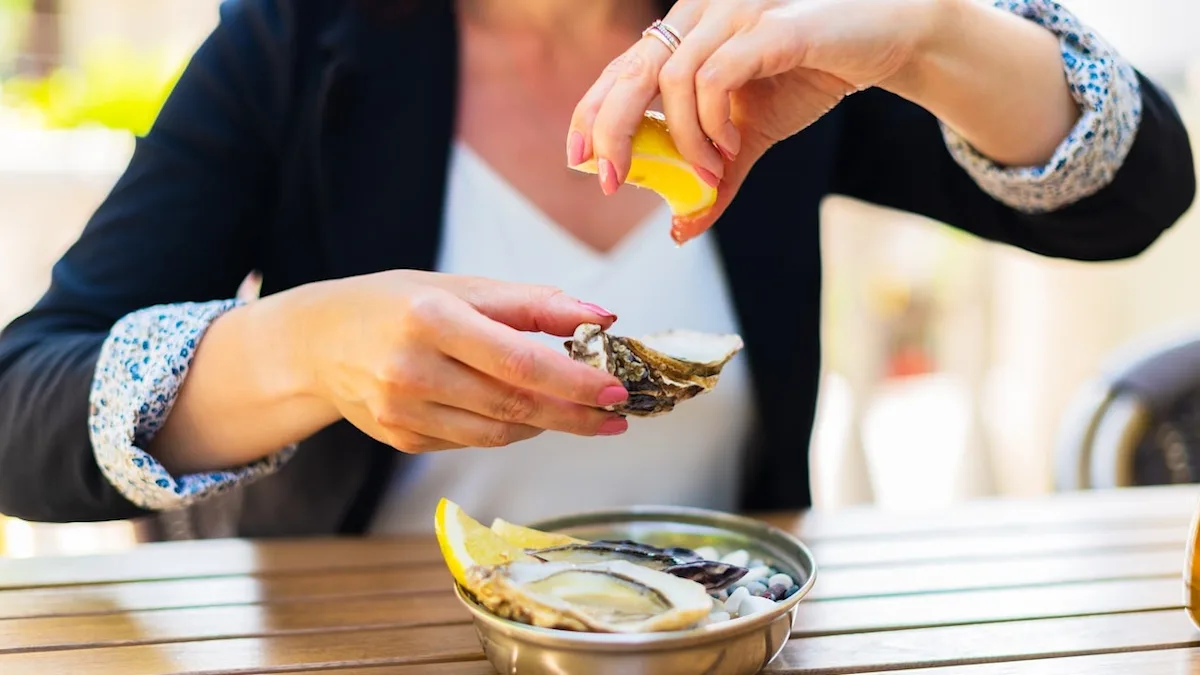
Oysters have long been considered a delicacy enjoyed by seafood lovers around the world. Their juicy, briny flavor can elevate any dining experience, whether served raw or cooked. However, along with their tempting taste comes a significant health risk—flesh-eating bacteria, also known as *Vibrio vulnificus* and other pathogenic strains, which can cause severe infections and sometimes be fatal. Recent reports highlight the dangers of consuming contaminated oysters, with unfortunate instances resulting in deaths. This makes understanding how to safely enjoy oysters vital for anyone who cherishes these shellfish. In this article, we explore the risks associated with raw oyster consumption and provide comprehensive guidelines to minimize danger and enjoy oysters responsibly.
The Dangers of Flesh-Eating Bacteria from Raw Oysters
The Reality of Risks
Recent outbreaks and tragic cases have underscored the dangers of eating raw oysters contaminated with flesh-eating bacteria. Notably, two deaths in Louisiana were linked to *Vibrio vulnificus* infections acquired through raw oyster consumption, as reported by The Times of India):
- Contaminated oysters have been linked to severe infections, including life-threatening flesh-eating bacteria.
- Recent reports show that consumers who eat raw oysters in warm months or from contaminated waters are at higher risk.
- The bacteria can cause symptoms that include fever, vomiting, diarrhea, and in serious cases, skin wounds, blood infections, and necrotizing fasciitis (flesh-eating disease).
How Flesh-Eating Bacteria Affect Health
The bacteria responsible for flesh-eating infections can enter the body through cuts or open wounds or, more commonly, through ingestion of contaminated seafood. Once inside, they can rapidly multiply and produce toxins that damage tissues, leading to necrosis and sometimes death. Vulnerable populations such as those with compromised immune systems, liver disease, or chronic health conditions are especially susceptible.
Precautionary Measures to Enjoy Oysters Safely
1. Choose Reputable Sources
Always buy oysters from trusted suppliers who adhere to strict hygiene and safety standards. Reliable vendors ensure the oysters are harvested from safe waters and stored at appropriate temperatures, minimizing the risk of contamination.
2. Opt for Cooked Oysters When Possible
Cooking oysters thoroughly is the *most effective* way to eliminate harmful bacteria. Boiling, steaming, baking, or frying at high heat destroys infectious pathogens. If you’re especially vulnerable or concerned about bacterial risks, cooked oysters are the safer choice.
3. Avoid Raw Oysters During High-Risk Seasons
The risk of *Vibrio* bacteria proliferating increases during warmer months, particularly from late spring to early fall. Avoid consuming raw oysters during these times unless you are certain of their safety and proper handling.
4. Practice Proper Handling and Storage
- Keep oysters refrigerated at temperatures below 5°C (41°F).
- Consume oysters promptly after purchase to prevent bacterial growth.
- Do not consume oysters that have an off smell or appear distended or damaged.
5. Be Mindful If You Have Underlying Health Conditions
Individuals with liver disease, diabetes, or weakened immune systems should exercise extra caution. It is advisable for such individuals to avoid raw oysters altogether or consult healthcare professionals before consumption.
Signs of Infection and When to Seek Medical Attention
If you experience symptoms such as severe abdominal pain, fever, chills, skin redness, blistering, or wound necrosis after eating oysters, seek immediate medical care. Early intervention can be life-saving in cases of flesh-eating bacteria infections.
Public Health Advice and Regulatory Recommendations
Authorities regularly monitor water quality and oyster harvesting zones to prevent contaminated oysters from reaching consumers. They issue warnings during outbreaks and recommend cooking oysters thoroughly. Staying informed through health advisories can significantly lower your risk.
Conclusion
Enjoying oysters can be a delightful experience when done responsibly. By choosing reputable vendors, paying attention to storage and handling, and preferring cooked options when possible, you can significantly reduce the risk of flesh-eating bacteria infections. Remember, awareness and caution are your best allies in savoring this delicacy safely. Protect yourself and your loved ones by making informed choices and staying updated on seafood safety guidelines.
It is crucial to remember that eating raw oysters always carries some risk, especially during certain seasons or from questionable sources. Prioritize your health and safety over the fleeting pleasure of raw oysters if you are in a vulnerable group or have concerns about contamination.
Additional Resources and References
- The Times of India
- Fox News
- Inshorts
- Louisiana Illuminator
Final Thoughts
In summary, while oysters are a culinary delight, they also pose the risk of serious infections from flesh-eating bacteria if not handled or prepared properly. By understanding the associated risks and adhering to safety precautions—including choosing trustworthy suppliers, cooking thoroughly, and practicing proper storage—you can enjoy oysters without putting your health in jeopardy. Remember, awareness and proactive measures are the best defenses against these harmful pathogens. Always prioritize your health, especially if you fall into a vulnerable group, and stay informed through reliable sources and health advisories.
Stay Safe and Savor Responsibly
Eating seafood, particularly raw oysters, demands vigilance. If you’re unsure about the safety of oysters or are in a high-risk category, the safest route is to opt for cooked varieties. Cooking kills most bacteria and significantly reduces health risks. Additionally, always observe the quality and appearance of oysters before consumption. When in doubt, consult with healthcare providers or local health authorities.
By practicing these safety measures, you can continue to indulge in one of the ocean’s most prized delicacies, enjoying its flavors while minimizing health risks. Your well-being depends on making informed, cautious choices—so eat smart, stay safe, and savor oysters responsibly.
For more updated news please keep visiting Hourly Prime News.