

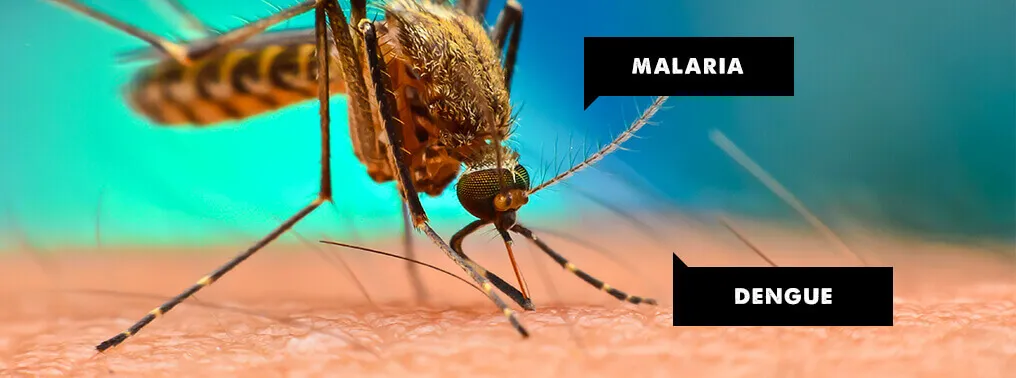
In regions where tropical climates and monsoon seasons are prevalent, the emergence of infectious diseases like dengue, malaria, and influenza pose significant health challenges. These illnesses often present with overlapping symptoms, making accurate identification crucial for timely treatment and prevention of severe complications. While some symptoms may seem similar at first glance, understanding specific indicators can help distinguish between these diseases and facilitate appropriate medical response.
Understanding the Overlapping Symptoms
Many illnesses share common symptoms such as fever, body aches, fatigue, and chills. However, subtle differences in presentation, progression, and associated signs can guide both laypersons and clinicians toward the correct diagnosis. For example, high-grade fever with muscle pain might be common to both dengue and malaria, but additional indicators may help differentiate the two.
Key Symptoms of Dengue
Dengue fever is caused by the dengue virus transmitted through Aedes mosquitoes. Recognizing its unique symptoms is vital for early detection:
- Sudden high fever that can spike rapidly, often reaching 104°F (40°C).
- Severe headache, especially behind the eyes.
- Muscle and joint pain — the so-called “breakbone” pain.
- Skin rash appearing a few days after fever onset.
- Nausea and vomiting.
- Bleeding tendencies, such as nose or gum bleeding, or easy bruising, indicating a possible progression to severe dengue (dengue hemorrhagic fever).
Crucially, in dengue, the rash and symptoms tend to develop after the initial fever, often accompanied by a decline in platelet count, which is confirmed through blood tests.
Recognizing Malaria Symptoms
Malaria, caused by Plasmodium parasites transmitted via Anopheles mosquito bites, exhibits some symptoms overlapping with dengue but also has distinctive features:
- Regular cyclical fever pattern; fevers often recur every 48-72 hours, aligning with the parasite’s life cycle.
- Chills and shivering preceding fever episodes.
- Profuse sweating after fever episodes.
- Headache, tiredness, and weakness.
- Anemia signs like pallor, due to destruction of red blood cells.
- Nausea, vomiting, and abdominal discomfort.
Malaria diagnostics involve blood smears or rapid diagnostic tests, which can identify the parasite directly. Timely diagnosis is essential because if untreated, malaria can escalate rapidly and become life-threatening.
Flu Symptoms and Differentiation
Influenza (flu) is caused by influenza viruses and spreads via respiratory droplets. Its presentation, although similar to dengue and malaria, has distinctive respiratory signs:
- Sudden onset of fever, often milder than dengue or malaria.
- Sore throat and cough.
- Runny or clogged nose.
- Body aches, chills, and fatigue, but typically less severe joint pain than dengue or malaria.
- Headache.
- Gastrointestinal symptoms are less common, but some cases exhibit nausea.
Influenza is often characterized by rapid onset and prominent respiratory symptoms. During monsoon seasons or outbreaks, healthcare providers recommend rapid testing and antiviral treatments where appropriate.
How to Effectively Differentiate and When to Seek Medical Help
Given the overlapping symptoms like fever, body aches, and fatigue, accurate differentiation relies on known distinctive signs and diagnostic tests:
- Timing and pattern of symptoms: Malaria may recur cyclically, dengue presents with rash and bleeding tendencies, while flu has prominent respiratory signs.
- Presence of bleeding or rashes: Signifies dengue or severe cases requiring urgent attention.
- Associated symptoms: Severe joint pain points to dengue; cycles of fever with chills suggest malaria; respiratory symptoms lean towards influenza.
Laboratory testing remains the gold standard for confirmation:
- Complete blood counts to assess platelet levels in dengue.
- Blood smears or rapid diagnostic tests for malaria.
- Rapid influenza diagnostic tests (RIDTs) for flu.
Prevention and Early Intervention
Preventative measures, including mosquito control, personal protective measures (like using nets and repellents), and vaccination where available, are essential. Recognizing early symptoms enables prompt medical consultation, reducing the risk of severe outcomes.
- Maintain hygiene, especially during monsoon seasons, to reduce mosquito breeding grounds.
- Stay vigilant to symptoms during peak seasons — particularly after heavy rains or water stagnation.
- Seek immediate medical attention if symptoms worsen or if bleeding, severe weakness, or high fever persists.
Conclusion
While dengue, malaria, and flu share common symptoms, paying attention to specific signs and patterns can make a significant difference in early diagnosis and treatment. Always consult healthcare professionals for accurate testing and tailored care. Proper awareness and timely intervention are crucial in managing and controlling these seasonal diseases effectively.
For more updated news please keep visiting Hourly Prime News.