

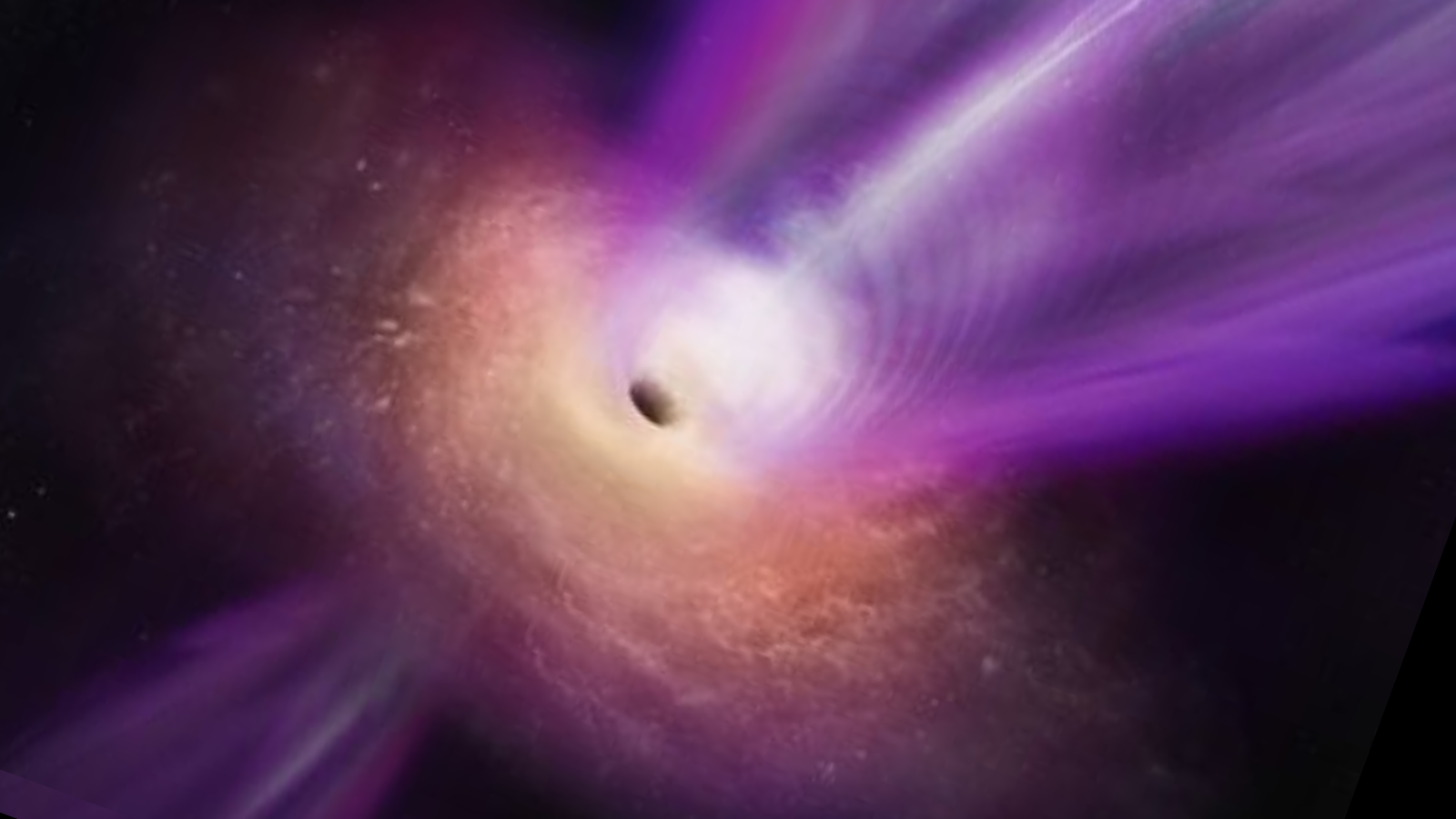
Supermassive black holes (SMBHs), often residing at the centers of galaxies, are among the most enigmatic and influential objects in our universe. Recent scientific discoveries, particularly those emerging from the investigative efforts of Indian astrophysicists, have shed new light on the profound ways these cosmic giants shape the destiny of galaxies and regulate the birth of stars. This article delves into the complex interplay between supermassive black holes and galactic evolution, highlighting significance, recent findings, and the broader cosmic implications.
The Core Role of Supermassive Black Holes in Galaxy Dynamics
Supermassive black holes are not just predators lurking silently in galactic cores; they are dynamic engines that significantly influence their host galaxies. With masses ranging from millions to billions of solar masses, SMBHs have the potential to release tremendous amounts of energy through their activity, especially when they actively accrete matter. This activity manifests as intense jets and radiation, capable of impacting star formation processes and the structural evolution of galaxies.
Indian scientists, as reported by Indian Scientists Reveal How Supermassive Black Holes Shape The Fate Of Galaxies And The Birth Of Stars
The Impact on Star Formation and Galactic Morphology
One of the most significant influences of SMBHs is their ability to regulate star formation within galaxies. As black holes accrete matter, they generate enormous energy outputs that can heat or expel gas—the raw material for star creation—thereby suppressing the formation of new stars. This phenomenon, known as *feedback*, plays a crucial role in determining whether a galaxy remains vibrant with star formation or becomes a quiescent, ‘dead’ galaxy.
The Hindu reports a notable study highlighting that while SMBHs can inhibit star formation, the manner and extent of this suppression depend on various factors, including the activity level of the black hole and the surrounding interstellar medium. When active, SMBHs emit powerful jets that can blow out gas from the galactic core, stopping new stars from forming and leading to a galaxy’s gradual aging and transformation into elliptical shapes.
Black Hole Activity as a Star Killer
- Suppresses star birth: Active supermassive black holes can create energetic jets that heat up or blow away gas in their vicinity. This prevents the cold gas clouds necessary for star formation from collapsing under gravity.
- Regulates galaxy size and shape: By controlling star formation, SMBHs influence a galaxy’s size, morphology, and overall evolution, often transforming spiral galaxies into elliptical ones over billions of years.
- Creates galactic feedback loops: The energy emitted by black holes impacts the surrounding gas, which in turn affects how material feeds the black hole, creating a self-regulating feedback mechanism.
Recent Advances in Understanding Black Hole-Galaxy Evolution
Advancements in observational technology and computational modeling have enabled scientists to better understand the symbiotic relationship between SMBHs and their host galaxies. A recent study cited by Supermassive black holes and their impact on galaxy morphologies
The Relationship Between Jets, Feedback, and Galaxy Formation
Cosmic jets are streams of highly energetic particles ejected from SMBHs at velocities approaching that of light. These jets can extend thousands of light-years into space, impacting regions far beyond the galactic core. Recent research, including reports from the Times of India, reveals that such jets work in tandem with black hole activity to influence galaxy evolution significantly.
The combined action of jets and radiation can shape the large-scale structure of galaxies, aiding in the redistribution of matter, suppression of excessive star formation, and even the creation of large bubbles within galactic halos. These processes ensure a balanced growth of the galaxy, preventing it from becoming overly dense or overly active, thereby maintaining cosmic harmony over billions of years.
Black Holes as Cosmic Sculptors
- Galactic jets foster large-scale structure: They can create cavities and bubbles in halo gas, influencing the cooling and collapse of gas clouds.
- Enhance or suppress star formation: Depending on the intensity and phase of activity, jets can either trigger starburst events or prevent star formation.
- Coordinate with other galactic processes: Black hole activity is part of the larger feedback loop that maintains galactic equilibrium, impacting galaxy size and stellar populations.
Challenging Misconceptions: Are Black Holes Just Space Monsters?
While black holes have long been depicted as destructive monsters devouring everything in their vicinity, modern research indicates a more nuanced role. As summarized by Business Today, black holes are also pivotal in the grand dance of cosmic evolution — they are star killers but also creators of large-scale galactic order.
One recent study emphasizes that SMBHs predominantly act as regulators, preventing runaway star formation which could lead to galactic imbalances. They function as cosmic thermostats, moderating the temperature and availability of gas needed for star formation. In this sense, black holes are not merely space monsters — they are vital architects shaping the universe’s large-scale structure.
Conclusion: The Cosmic Balance Maintained by Supermassive Black Holes
The evolving narrative from scientific research underscores the profound influence of supermassive black holes on galaxy formation and evolution. Their activities regulate star birth, galactic morphology, and large-scale cosmic structures through feedback mechanisms involving jets and radiation. Far from being mere destructive elements, SMBHs serve as cosmic orchestrators ensuring galaxies evolve in a balanced, structured manner.
As research continues, our understanding of these celestial titans will deepen, revealing more about their role in the cosmic story. Recognizing their importance helps bridge the gap between small-scale phenomena — like individual star formation — and the grand architecture of the universe itself.
For more updated news please keep visiting Hourly Prime News.