

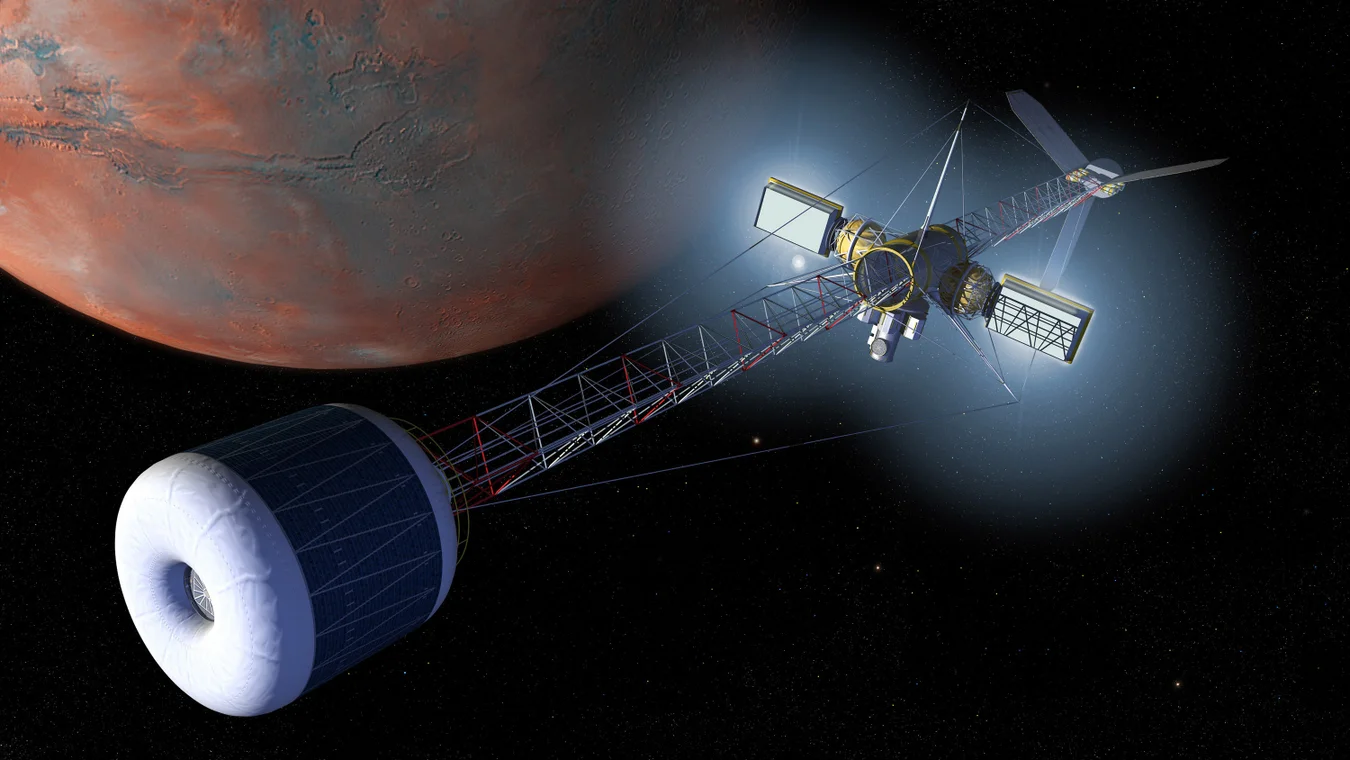
Space exploration has always been a fascinating frontier of human innovation and scientific discovery. As astronauts venture into the vast expanse of space, one of the critical challenges they encounter is maintaining a life-sustaining environment. Among the essential elements required for survival, oxygen takes center stage. But how do spacecraft produce and sustain an adequate supply of breathable air in the vacuum of space where traditional atmospheric sources are nonexistent? The answer lies in advanced onboard life support systems meticulously designed to generate, recycle, and manage oxygen in conditions of zero gravity.
Understanding the Need for Oxygen in Space
While Earth naturally replenishes its atmospheric oxygen through natural processes like photosynthesis, space habitats and spacecraft cannot rely on such mechanisms. Instead, they depend on engineered systems that produce oxygen from available resources. The importance of oxygen cannot be overstated — it’s vital not only for respiration but also for maintaining balanced pressure, supporting plant growth in bioregenerative life support systems, and ensuring the overall health of astronauts during their missions.
How Do Spacecraft Produce Oxygen?
Commercial and government space agencies utilize several sophisticated methods to produce and manage oxygen onboard spacecraft and space stations. The primary techniques include:
1. Electrolysis of Water
The most widely used method involves the electrolysis of water, which splits water molecules into oxygen and hydrogen gases. This process takes place in specialized equipment called Electrolysis Units (EUs). Since water is a limited resource in space, maintaining its recycling is crucial. On the International Space Station (ISS), for instance, water is continuously recycled from waste, sweat, and even moisture in the air. This water is then electrolyzed to produce fresh oxygen and hydrogen, which are either vented into space or used for other purposes.
Key points about electrolysis:
- It efficiently produces high-purity oxygen suitable for breathing.
- Hydrogen byproduct can be safely expelled into space or combined with carbon dioxide to produce water again.
- This cycle reduces the need for resupply missions from Earth, ensuring long-term sustainability.
2. Chemical Oxygen Generators
In emergencies or for supplemental oxygen, spacecraft employ chemical oxygen generation systems, such as solid-state oxygen candles or chemical tablets. These systems contain substances like sodium chlorate or lithium perchlorate that release oxygen upon ignition. This method is reliable and provides immediate oxygen in case of system failure or sudden oxygen demand spikes.
Note: Chemical oxygen generation is typically used as a backup or emergency measure, as it doesn’t offer the sustainability of electrolysis systems.
3. Regenerative Life Support Systems
Modern spacecraft are increasingly employing regenerative life support systems that maximize resource reuse. These include technologies like the Oxygen Generation System (OGS) and the Carbon Dioxide Reduction System (CRS). The OGS, for example, uses electrolysis to continually produce oxygen from water, replenishing the breathable air supply, while the CRS removes carbon dioxide from the air, converting it into water and methane, which can be expelled or further processed.
The Role of the Environmental Control and Life Support System (ECLSS)
The heart of oxygen management on the ISS and future spacecraft is the Environment Control and Life Support System (ECLSS). This complex network of hardware and software performs several vital functions:
- Monitoring oxygen and carbon dioxide levels in the cabin atmosphere
- Producing oxygen via electrolysis
- Removing excess CO2 and other contaminants
- Maintaining appropriate pressure and humidity levels
ECLSS ensures that astronauts breathe safe, clean air during their mission. Its continuous operation allows the recycling of resources, significantly reducing dependence on Earth resupply missions. Advances in ECLSS technology are steadily improving efficiency, reliability, and scalability, which are crucial for future long-duration missions to the Moon, Mars, and beyond.
Innovations and Future Directions in Space Oxygen Production
The challenge of producing oxygen in the depths of space has driven numerous innovative approaches. Current research focuses on developing more efficient, autonomous, and sustainable systems that can operate with minimal human intervention. Some notable advancements include:
1. Bioregenerative Life Support Systems
- Integrating plants and algae to produce oxygen through photosynthesis while consuming carbon dioxide
- Creating closed-loop ecosystems that mimic Earth’s natural cycles
- Reducing reliance on chemical and electrolysis methods over time
2. In-Situ Resource Utilization (ISRU)
- Extracting oxygen from lunar or Mars regolith (soil), which contains rare oxygen-rich compounds
- Developing technologies to convert local materials into breathable air, thereby supporting future colonization efforts
Both approaches align with the goal of creating sustainable, off-Earth habitats that are self-sufficient and less dependent on Earth-based resources. Additionally, space agencies are exploring the possibility of small, portable oxygen generation units that astronauts can deploy as needed, especially during extravehicular activities (spacewalks).
The Importance of Safety and Redundancy
Ensuring a continuous supply of oxygen in space is a high-stakes endeavor. System failures can be life-threatening, which is why spacecraft are equipped with redundant systems and safety protocols. Emergency oxygen supplies, backup generators, and quick-activate chemical oxygen candles play vital roles in safeguarding astronaut lives. Moreover, precise monitoring of environmental conditions is imperative to detect leaks, contamination, or fluctuations in oxygen levels early enough to intervene.
Conclusion
The production of oxygen in spacecraft is a marvel of engineering and scientific ingenuity. By harnessing methods like electrolysis, chemical generation, and regenerative systems, humanity has created a sustainable environment frontier in space. These advancements not only enable astronauts to survive and thrive in zero gravity but also pave the way for future extraterrestrial exploration and colonization.
As technology continues to evolve, the dream of long-term habitation on the Moon, Mars, or even further planets becomes increasingly feasible. The sophisticated systems managing oxygen levels exemplify human resilience and innovation in overcoming the inhospitable conditions of space.
In conclusion, the ongoing quest to refine spacecraft oxygen generation systems underscores our commitment to exploration, safety, and sustainability beyond Earth’s confines.
For more updated news please keep visiting Hourly Prime News.