

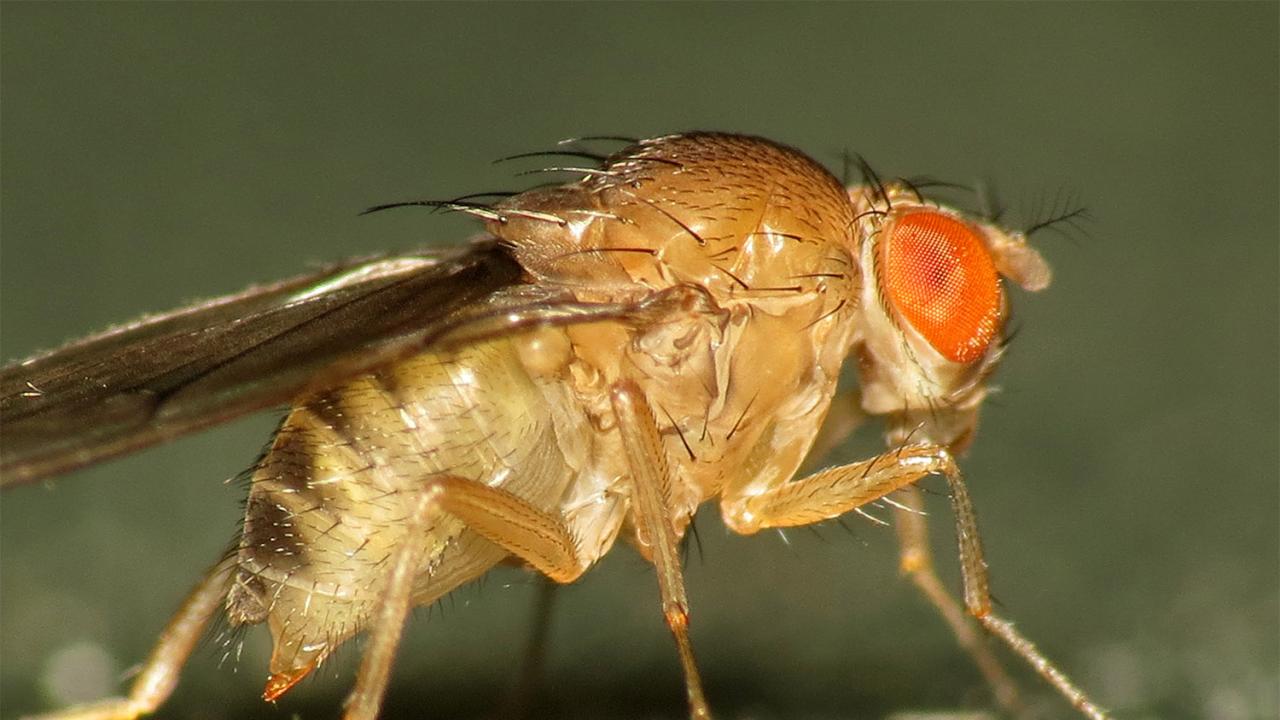
The humble fruit fly, scientifically known as Drosophila melanogaster, has long been a cornerstone of genetic research. Its simplicity, short life cycle, and well-mapped genome make it an ideal model organism for exploring fundamental biological processes. Recent studies focusing on fruit flies are shedding new light on how novel genes emerge and become functional in thriving genomes, offering profound insights into the mechanisms of evolution.
The Significance of Fruit Fly Research in Genetics
Since the early 20th century, fruit flies have been instrumental in unearthing the genetic basis of inheritance. Their genetic similarity to humans, with about 75% of human disease genes having counterparts in Drosophila, has made them invaluable. Researchers utilize fruit flies to investigate everything from developmental processes to gene regulation, aging, and diseases.
The latest research dives deeper into gene origination — especially how new genes arise from previously non-coding regions of DNA or duplicated gene copies that acquire new functions. This area of study is crucial because understanding de novo gene formation can elucidate how complex traits evolve and how diversity increases within species.
Unveiling the Origins of New Genes
De Novo Gene Birth in Fruit Flies
A compelling discovery from recent studies demonstrates that de novo genes—genes that originated from non-coding DNA—are not rare anomalies but part of ongoing evolutionary processes. In fruit flies, scientists have identified several young genes that have no apparent homologs in other species, indicating their recent emergence.
These novel genes often emerge in response to environmental pressures or unique ecological niches. Once formed, they can acquire functional roles, influencing traits that confer advantages in survival or reproduction. Such findings challenge traditional views that new genes can only originate via duplication events.
Gene Duplication and Functional Divergence
Another key mechanism is gene duplication, where copies of existing genes are produced. Over time, these gene copies can diverge, acquiring new functions — a process called neofunctionalization. Studies in fruit flies have traced the evolution of duplicated genes that now play roles in pigmentation, courtship behavior, and resistance to environmental toxins.
- Example: Duplicated genes affecting pigmentation exhibit signs of rapid evolution, possibly driven by sexual selection.
- Implication: Diversification of gene functions via duplication is a significant driver of phenotypic diversity.
The Functionalization of New Genes
From Non-Functionality to Functionality
One of the enduring questions in evolutionary biology is how newly formed genes transition from being non-functional or “junk” DNA to actively contributing to an organism’s biology. Fruit fly studies have revealed that many young genes initially exhibit low expression levels or are expressed in specific tissues, such as the testes.
This tissue-specific expression pattern suggests that testes may serve as a testing ground for new genes. Over generations, some of these genes can acquire broader regulatory control and become integral components of developmental or physiological pathways.
Case Studies in Functional Evolution
Recent research has highlighted particular genes that are exclusively expressed in reproductive tissues and are involved in fertility, mating behaviors, and sperm development. As these genes become more functionally integrated, they can influence reproductive success, thereby being favored by natural selection.
This dynamic process allows for rapid adaptation to changing environments, especially concerning reproductive strategies and ecological interactions.
The Role of Regulatory Elements in Gene Evolution
It’s not just the gene sequences themselves that evolve, but also their regulatory regions. Mutations in promoters, enhancers, or other control elements can alter gene expression patterns, facilitating the integration of new genes into existing biological pathways.
For instance, modifications in regulatory regions can determine the tissue specificity of new genes, guide their timing during development, or modulate their expression levels. These changes are often pivotal in ensuring that new genes can be properly expressed and utilized, consolidating their functional roles within the organism.
Implications for Broader Evolutionary Concepts
The insights from fruit fly studies extend beyond basic biology, impacting our understanding of evolution across species. They underscore that the genetic landscape is highly dynamic, with continuous gene turnover and innovation. This ongoing viral, duplication, and de novo gene birth process
\(highlighting the plasticity of genomes.\)
Furthermore, these findings shed light on how complex traits — such as behavior, development, and adaptation — can emerge through relatively rapid genetic modifications. The capacity for genomes to generate new, functional genes underscores the creative power of evolution in shaping biodiversity.
Future Directions in Gene Evolution Research
While significant progress has been made, many questions remain. Researchers are now focusing on understanding :
- the specific pathways through which non-coding regions give rise to functional genes,
- the selective pressures that favor the retention of new genes, and
- the relative contribution of gene duplication versus de novo gene birth in driving adaptation.
Advances in high-throughput sequencing, gene editing technologies like CRISPR, and machine learning approaches are poised to accelerate discoveries in this field. These tools will enable scientists to trace gene origin stories with greater precision and to explore the functional significance of newly evolved genes across diverse species.
Concluding Remarks
The ongoing research on fruit flies continues to be a beacon of evolutionary biology, revealing the intricate processes behind gene emergence and adaptation. The revelations about new gene formation, functionalization, and regulation demonstrate that genomes are not static but vibrant entities capable of innovation and change. As these studies expand, they not only deepen our understanding of genetic evolution but also pave the way for biomedical advances, environmental adaptation strategies, and the broader comprehension of life’s diversity.
In summary, fruit fly studies are uncovering the genetic choreography that makes evolution possible, highlighting the remarkable ability of genomes to generate new functional genes. These insights emphasize that, in the grand narrative of life, genetic innovation is a continuous and dynamic process that fuels the diversity and resilience of organisms worldwide.
For more updated news please keep visiting Hourly Prime News.