

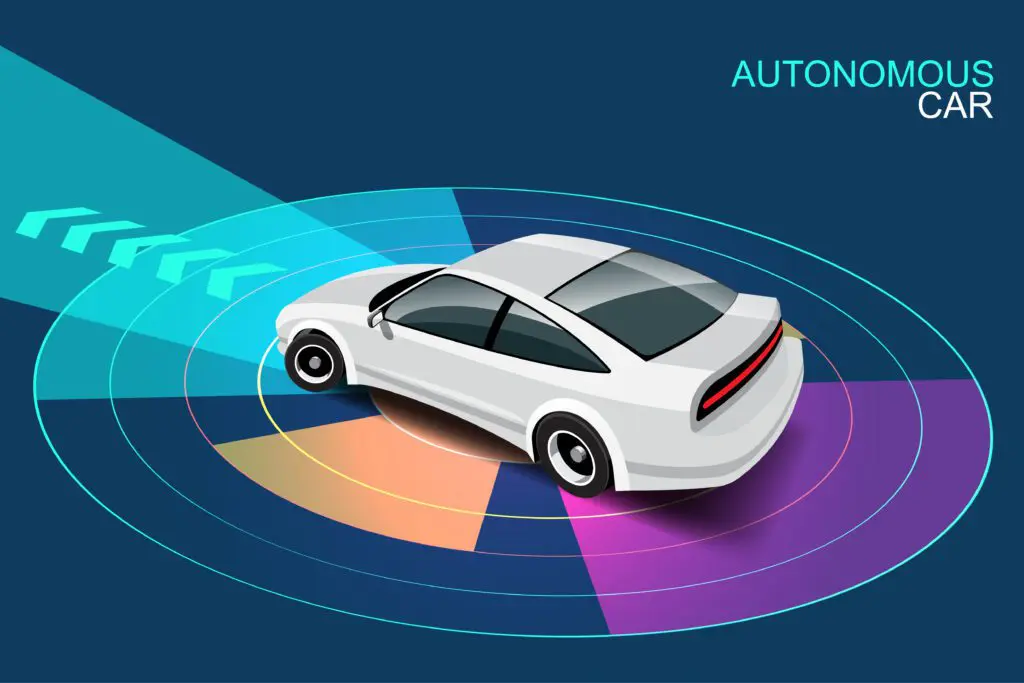
Autonomous vehicles (AVs) are no longer a distant dream; they are rapidly becoming an integral part of the transportation landscape. As this technology advances, its ripple effects extend far beyond manufacturing and urban planning—it significantly impacts the insurance industry. Understanding these changes is crucial for insurers, policyholders, repair professionals, and stakeholders across the spectrum. In this comprehensive exploration, we delve into how AVs are reshaping insurance, highlighting key trends, potential challenges, and future opportunities.
The Evolution of Vehicle Safety and Its Impact on Insurance
One of the most significant ways autonomous vehicles influence insurance is through enhanced safety features. Traditional cars rely heavily on human drivers, whose errors and oversights often lead to accidents. With AVs, a suite of sensors, cameras, and advanced algorithms work collectively to reduce the likelihood of collisions, making incidents less frequent and less severe.
Key Safety Innovations:
- Autonomous braking systems
- Lane-keeping assistance
- Adaptive cruise control
- Object detection and avoidance technologies
Implication for Insurance: As vehicle safety improves, the overall frequency of claims is expected to decline. Insurers may need to recalibrate their risk models, focusing more on software reliability and cybersecurity threats rather than traditional accident risk factors.
The Shift in Liability and the New Insurance Paradigm
From Driver to Manufacturer and Software Provider
Historically, insurance policies primarily covered driver-induced damages. With AVs, the responsibility shifts from human error to technological failure or cybersecurity breaches. This transition raises new questions about liability: Who is responsible when an autonomous vehicle is involved in an incident? Is it the automaker, the software developer, or the vehicle owner?
Impacts on Insurance Claims and Policies:
- Increased emphasis on product liability insurance
- Development of cyber insurance policies to shield against hacking
- Potential for shared liability models among manufacturers, software providers, and vehicle owners
Legal and Regulatory Challenges
Regulators are actively working to establish frameworks that delineate liability boundaries. These legal shifts will directly influence insurance policies, premiums, and claim processes. Insurers must stay ahead of evolving legislation to effectively assess risk and design appropriate coverage options.
The Economics of Insurance in an Autonomous Vehicle Era
User Premiums and Coverage Models
As accidents decrease, the insurance industry anticipates a downward trend in premiums for individual policyholders. However, the complexity of AV technology and potential new risks—such as cybersecurity issues—may introduce additional costs.
Innovative Insurance Products:
- Usage-based insurance (UBI) driven by telematics and vehicle data
- Pay-as-you-drive (PAYD) models
- Coverage tailored to software updates and cybersecurity threats
Impact on Insurance Providers
For insurers, this technological shift presents both challenges and opportunities. Traditional risk pools may diminish, necessitating innovative underwriting standards. Data analytics and machine learning will play an increasingly vital role in assessing risk accurately and pricing premiums competitively.
The Role of Repair Shops and Aftermarket Services
Changing Landscape of Vehicle Repair
According to , the shift toward AVs will transform repair processes profoundly. Vehicles will contain complex electronic systems, sensors, and software components that require specialized skills for diagnosis and repair.
Implications for Repair Industry:
- Need for advanced diagnostic tools and training
- Increased collaboration between manufacturers and repair networks
- Potential for new revenue streams focused on software updates and cybersecurity
Insurance and Repair Cost Dynamics
The cost of repairs for AVs might initially be higher due to their technological complexity. However, the frequency of repairs could decrease as vehicle safety improves. Insurance companies may need to rethink their claims processing to accommodate these changes, including harnessing remote diagnostics and AI-driven assessments.
The Future: Opportunities and Challenges
Opportunities for Innovation
The integration of AVs into society offers many opportunities. Insurers can harness advanced analytics, develop new coverage options, and even offer incentives for safer driving or vehicle maintenance. Partnerships with tech firms could lead to the development of comprehensive risk management solutions, including cybersecurity insurance and vehicle telematics.
Emerging Challenges
Despite the promising outlook, challenges abound. Data privacy concerns, cybersecurity risks, and legal liabilities are prominent hurdles that insurers must navigate. Moreover, the pace of technological change necessitates continuous adaptation of underwriting standards and claims processes.
Another key concern involves ensuring fair access and coverage for all segments of society, especially as autonomous driving technology could initially be expensive, potentially creating disparities in insurance affordability.
Conclusion: A New Era for Insurance
Autonomous vehicles are poised to revolutionize the insurance landscape fundamentally. Shift in liability models, improved safety, technological complexity in repairs, and evolving regulatory frameworks mean that insurers must innovate constantly. Embracing these changes will enable the industry to offer more tailored, efficient, and comprehensive coverage to meet the demands of a transforming transportation future.
Adapting to this new era requires a proactive approach—leveraging data analytics, fostering collaboration across industries, and staying ahead of regulatory shifts. While challenges remain, the opportunities for growth and innovation are abundant in shaping a safer, smarter, and more resilient insurance ecosystem.
For more updated news please keep visiting Hourly Prime News.