

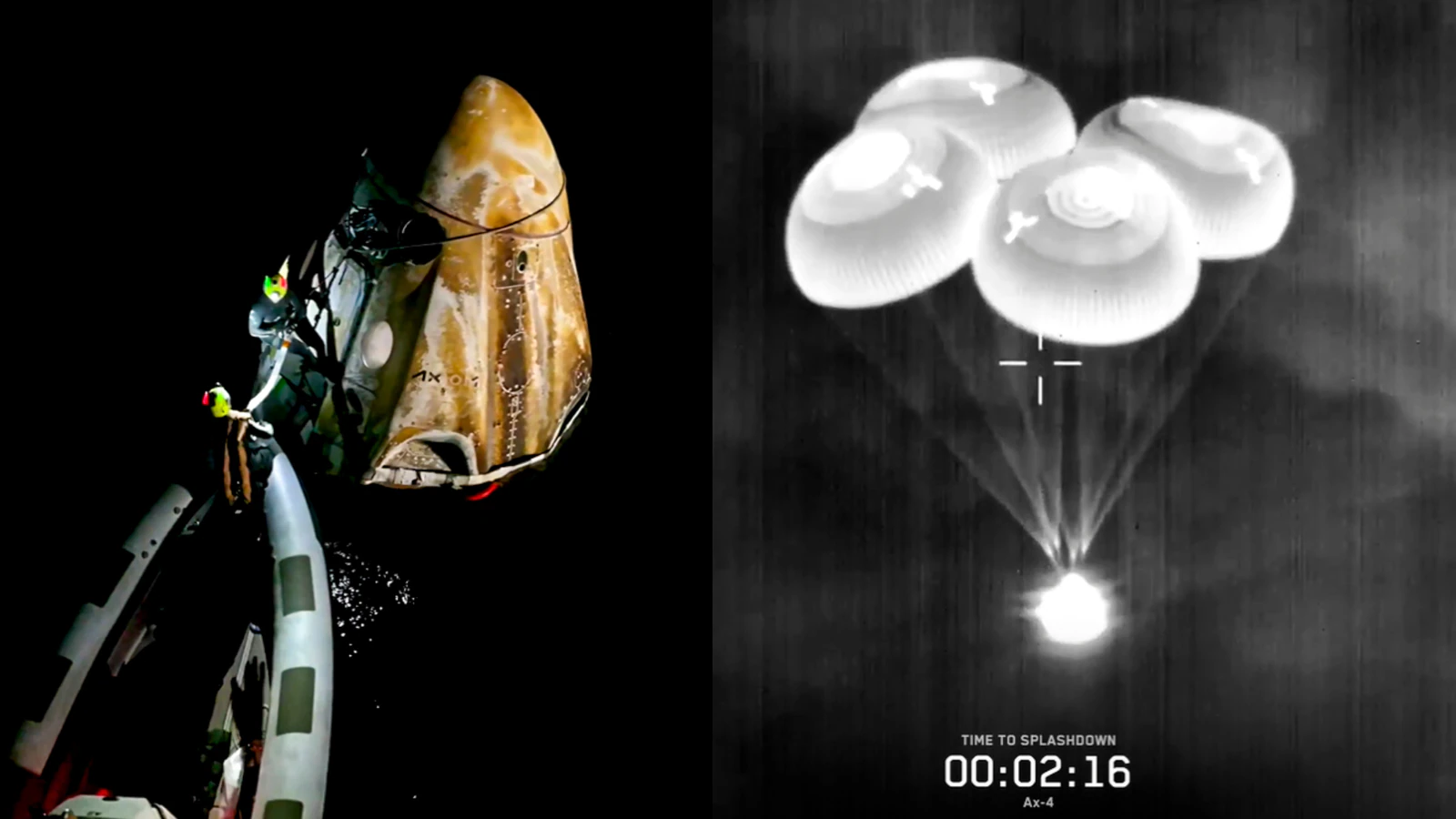
The Unbelievable Incident: A Survival Against the Odds
In the realm of space exploration and extreme incidents, few stories capture the imagination as powerfully as that of astronaut Shubhanshu Shukla. Recently, detailed reports and investigations have shed light on a harrowing event where he faced a blazing fireball reaching temperatures as high as 2000°C. This incident, which initially seemed impossible to survive, became a testament to human resilience, advanced technology, and quick thinking.
According to News18, several eyewitnesses and technical experts described the event as a “miracle of survival” against seemingly insurmountable odds.
Understanding the Fireball and the Danger It Posed
The Nature of a 2000°C Fireball
A fireball reaching temperatures of 2000°C is not a typical fire. It radiates an enormous amount of heat, capable of causing severe burns, destroying equipment, and incinerating anything unfortunate enough to be caught in its path. When such a fireball occurs in space, it might be a result of a collision, malfunctioning propulsion, or an accidental explosion. In Shubhanshu Shukla’s case, the incident was linked to a critical system failure that triggered an unprecedented fireball in the spacecraft’s environment.
The Immediate Threat to the Astronaut
Aside from the extreme thermal risk, the fireball could have caused catastrophic damage to the spacecraft’s structure and life-support systems. The lethal heat, combined with radiation and potential toxic gases, made survival almost impossible without rapid intervention. The question then arises: how did Shubhanshu manage to escape or withstand such an intense event?
The Key Factors Behind Shubhanshu Shukla’s Survival
Advanced Spacecraft Design and Safety Protocols
One of the critical elements that contributed to his survival was the highly advanced engineering of the spacecraft. Modern space modules are equipped with multiple failsafe systems, including:
- Fire suppression systems that activate instantly
- Heat-resistant materials that shield critical components and crew areas
- Emergency sealed compartments designed to contain fires
- Redundant life support systems to maintain environment stability
In Shubhanshu’s case, these safety features played an essential role in preventing the fireball from consuming the entire cabin. The rapid activation of suppression mechanisms and the resilient module structure allowed him valuable seconds to react.
Shubhanshu’s Quick Thinking and Training
Beyond technological safeguards, his extensive training in emergency response and space survival techniques was pivotal. Astronaut training covers:
- Fire drills specific to space conditions
- Rapid shutdown and isolation procedures
- Use of personal protective equipment (PPE) and fire extinguishers designed for space fires
- Contingency communication protocols for emergencies
Shubhanshu demonstrated exceptional composure, swiftly initiating emergency procedures, sealing off affected sections, and preventing the fire from spreading further. His ability to stay calm under pressure ensured that he could make rational decisions to survive.
The Role of Spacecraft Materials and Engineering
The materials used in constructing the spacecraft are critical in surviving high-temperature events. These include:
- Refractory alloys with high melting points
- Thermal insulating layers that reflect and dissipate heat
- Composite materials with resilience to thermal stress
These engineering choices mean that even under extreme heat, essential systems and crew compartments maintain structural integrity long enough for rescue or safe evacuation procedures to be enacted.
Post-Incident Response and Recovery
Following the fireball incident, immediate steps included:
- Assessment of damage to the spacecraft
- Health monitoring for Shubhanshu and other crew members
- Repair and stabilization operations
- Investigation to prevent similar future incidents
Remarkably, Shubhanshu sustained no life-threatening injuries, thanks to his training and the spacecraft’s protective systems. This resilience underscores the importance of rigorous safety protocols and innovative engineering in space missions.
The Lessons Learned and Future Implications
This incident highlights several critical points for space exploration:
- Investing in Advanced Safety Technologies: Continuous improvement in fire suppression, shielding, and structural resilience is vital.
- Emphasizing Astronaut Training: Regular and realistic emergency drills ensure astronauts are prepared for unforeseen hazards.
- Designing for Resilience: Spacecraft must incorporate redundant and adaptive systems capable of counteracting extreme events.
- Preparedness for Radiation and Thermal Extremes: Recognizing that space environments can produce unexpectedly intense phenomena reinforces the need for robust safety measures.
Overall, Shubhanshu Shukla’s survival against a 2000°C fireball exemplifies the combination of human bravery, cutting-edge engineering, and meticulous planning. His story serves as an inspiration to future generations of astronauts and engineers, reminding us that even in the face of unimaginable danger, human ingenuity can prevail.
Conclusion
The incredible tale of astronaut Shubhanshu Shukla surviving a 2000°C fireball is more than just a story of survival. It symbolizes the relentless pursuit of safety and excellence in space science. As we continue to explore the cosmos, lessons from such incidents will inform safer, more resilient space missions. Space exploration is inherently risky, but with technological innovation and human dedication, we can turn potential disasters into victories of perseverance.
For more updated news please keep visiting Hourly Prime News.