

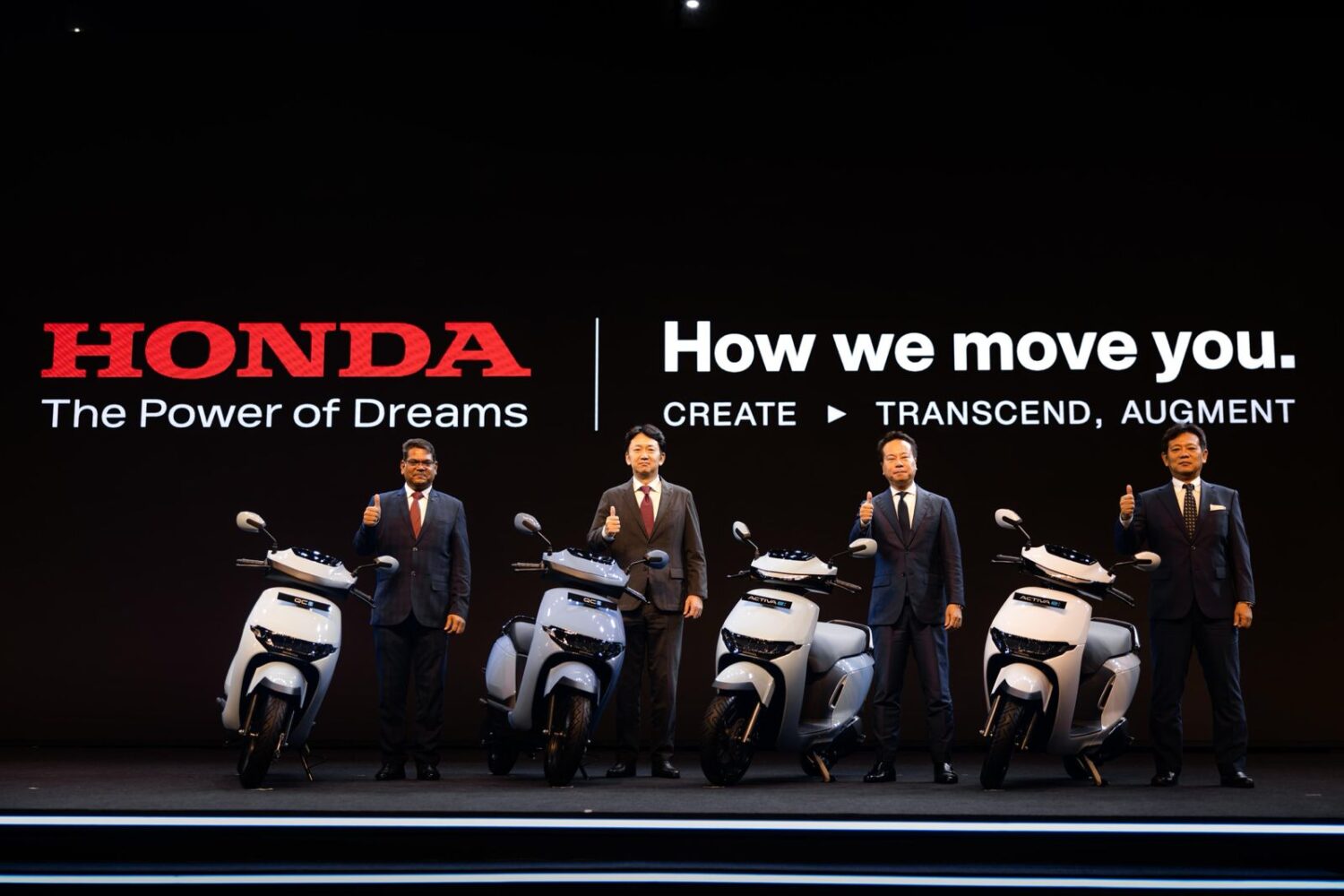
In a surprising move that has captured the attention of industry experts and consumers alike, Honda has announced the suspension of production for its popular Activa E and QC1 electric scooters beginning August 2023. This decision marks a significant shift in Honda’s strategy within the rapidly evolving two-wheeler market and highlights the broader challenges faced by electric vehicle (EV) manufacturers in maintaining supply chains and meeting market demands. As the electric two-wheeler segment gains momentum, Honda’s recent pause prompts discussions about the future trajectory of electric scooters in the country and the underlying factors influencing such strategic pauses.
Understanding the Context: Market Dynamics and Honda’s Recent Decision
The decision to halt the production of the Activa E and QC1 was officially reported by . The move is largely attributed to the challenges faced by Honda in scaling up electric vehicle production amidst global supply chain disruptions, shortage of critical components like semiconductors, and the shifting regulatory environment that now demands faster adaptation to electric mobility.
Impacts on the Market and Honda’s Strategy
Market Response and Consumer Confidence
The suspension of Activa E and QC1 production has sent ripples through the Indian two-wheeler ecosystem. Consumers, who showed strong interest in the electric variants of Honda’s best-selling scooters, now face uncertainty about availability and future models. This pause might temporarily dampen the enthusiasm for electric two-wheelers, especially among price-sensitive buyers who are actively seeking affordable and reliable EV options. The decision reflects the complex balance that Honda seeks to strike between innovation and operational stability.
How Honda Is Navigating The Transition
Despite the temporary halt, Honda remains optimistic about its electric vehicle aspirations. The company has indicated that this move is strategic, allowing them to reassess and upgrade their EV supply chain and technological features. The focus, as per Honda’s official statements, is to ensure that when production resumes, the scooters will meet higher standards of performance, safety, and affordability. Honda’s approach underscores a cautious but forward-looking strategy characteristic of mature automakers entering the EV segment.
Broader Industry Overview: Challenges and Opportunities
The Indian two-wheeler market is at a pivotal juncture, with electric vehicles poised to capture a significant share of sales. However, this transition is fraught with hurdles, including supply chain logistics, technological innovation, and consumer awareness. Honda’s suspension reflects these broader trends:
- Supply Chain Disruptions: Worldwide semiconductor shortages have impacted many automakers, including Honda, delaying production timelines.
- Technological Upgradation: EV technology continues to evolve, prompting companies to pause and refine their offerings to stay competitive.
- Regulatory Environment: Evolving policies and incentives are both catalysts and challenges, requiring manufacturers to adapt their strategies quickly.
Meanwhile, opportunities abound for those who can navigate these complexities. Several local startups and established players have accelerated their EV portfolio development, seeking to fill the gap left temporarily by Honda’s production pause.
Looking Ahead: What Does the Future Hold?
While Honda’s immediate focus is on resolving supply chain issues, industry analysts predict that the company’s commitment to electric mobility will persist strongly. Honda has been investing heavily in R&D for electric and hybrid technology, with plans to introduce more models tailored for the Indian market in the near future. The interruption in Activa E and QC1 production might serve as a learning curve, helping Honda perfect its upcoming EV lineup.
Furthermore, government policies promoting cleaner transportation and consumer demand for sustainable mobility solutions are likely to accelerate EV adoption, ensuring that Honda and other automakers remain invested in this transition.
Summary of Key Takeaways
In summary, the temporary suspension of Honda’s Activa E and QC1 production since August signifies a strategic recalibration amidst a rapidly changing market landscape. The move underscores the importance of supply chain robustness, technological advancement, and regulatory agility in the electric mobility space. While challenges remain, the overall outlook for electric scooters remains optimistic, with Honda poised to re-enter the market stronger and more competitive.
- Honda’s decision reflects the broader challenges faced by automakers transitioning to EVs in India.
- Supply chain disruptions, including semiconductor shortages, have a significant impact on production timelines.
- Honda’s strategic pause aims to improve product quality and supply chain resilience for future launches.
- Market dynamics suggest growing consumer interest, but demand for affordable and reliable EVs needs to be supported by consistent supply.
As Honda refines its approach and ramps up its EV offerings, consumers and industry stakeholders eagerly await its next move. The electric two-wheeler segment in India is set to transform substantially over the coming years, and Honda’s experience will undoubtedly influence the industry’s overall direction.
For more updated news please keep visiting Hourly Prime News.