

The Growing Popularity of Natural Supplements
Over the past decade, the wellness industry has witnessed a remarkable surge in the consumption of natural supplements. Marketed as organic, safe, and beneficial alternatives to conventional medicine, these products are widely perceived as harmless. From herbal teas and dietary pills to detox teas and fat burners, consumers are turning to these remedies seeking quick health fixes, weight loss, or immune boosts. However, despite their natural origin, not all supplements are as innocuous as they appear. Experts and medical professionals, such as Dr. Sudeep Khanna, have raised red flags about the potential hidden risks associated with these products, particularly concerning liver toxicity and organ damage.
The Reality Behind Natural Supplements: More Than Just Natural
The misconception that “natural” equals “safe” is deeply ingrained in popular culture. People often assume that herbal or organic products do not cause side effects, overlooking the fact that these substances can be potent and pharmacologically active. In fact, many supplements contain concentrated extracts, which can have adverse effects, especially when misused or consumed in excess. Moreover, the lack of stringent regulation in many countries allows the proliferation of substandard, adulterated, or contaminated products, further elevating health risks.
Understanding Toxicity Risks and Liver Damage
One of the primary concerns associated with natural supplements is their potential to cause **liver toxicity**. The liver, being the body’s detoxification powerhouse, bears the brunt of metabolizing various compounds, including those found in supplements. Dr. Sudeep Khanna, a renowned medical expert, emphasizes that some herbal or dietary products may contain **hepatotoxic substances** or contaminants that can overload or damage the liver.
For example, certain amino acids, herbs, or extracts used in weight loss or detoxification products have been linked to **liver injury**, leading to symptoms such as jaundice, fatigue, abdominal pain, and in severe cases, liver failure. The body’s ability to process these foreign compounds varies among individuals based on genetics, existing health conditions, and concurrent medication use, making some people more susceptible to toxicity.
Common Mistakes That Heighten Risks
Many consumers unknowingly increase their risk of adverse effects by making simple yet dangerous mistakes when using supplements:
- Overdosing or mixing multiple supplements without medical guidance
- Ignoring recommended dosage instructions
- Relying solely on supplements for weight loss or detoxification without lifestyle modifications
- Choosing unverified or cheaply manufactured products
- Using supplements alongside prescription medications without consulting healthcare providers
These mistakes can quietly harm vital organs, especially the liver and kidneys, often before any symptoms become apparent.
Recent Findings and Reports on Supplement Harm
Multiple recent studies and news reports shed light on the potential hazards of these seemingly benign products. According to reports cited by financialexpress.com, there has been an alarming increase in cases of supplement-induced liver injury. Experts warn that some herbal products, particularly those touted for rapid weight loss or detoxification, contain unregulated ingredients that can trigger acute hepatitis or chronic liver disease.
The Impact on Kidneys and Other Organs
It’s also crucial to recognize that supplements can adversely affect other organs. For instance, many liver-toxic substances are also nephrotoxic, meaning they can impair kidney function as well. Studies highlight that daily reliance on fat burners, detox pills, or herbal diuretics can lead to compromised kidney health, electrolyte imbalances, and even long-term renal failure if misuse persists. Times of India emphasizes the importance of understanding these risks and highlights common mistakes that can lead to silent organ damage.
Why Are Supplements Still Widely Used Despite Known Risks?
The widespread popularity of natural supplements is rooted in several factors:
- Perceived safety due to their natural origin
- Marketing hype claiming quick results with minimal effort
- Influence of social media promoting herbal solutions as miracle cures
- Lack of proper regulation allowing substandard products to flood the market
Unfortunately, this combination of factors often leads consumers to ignore the potential hazards, believing that natural equates to safe, which is not always the case.
Expert Advice and Precautions
Given the risks, health professionals advise consumers to exercise caution:
- Always consult healthcare providers before starting any new supplement, especially if you have existing health conditions or are on medications.
- Learn to recognize the signs of organ stress, such as fatigue, jaundice, swelling, or unexplained abdominal discomfort.
- Choose products from reputable sources with proper certification and third-party testing.
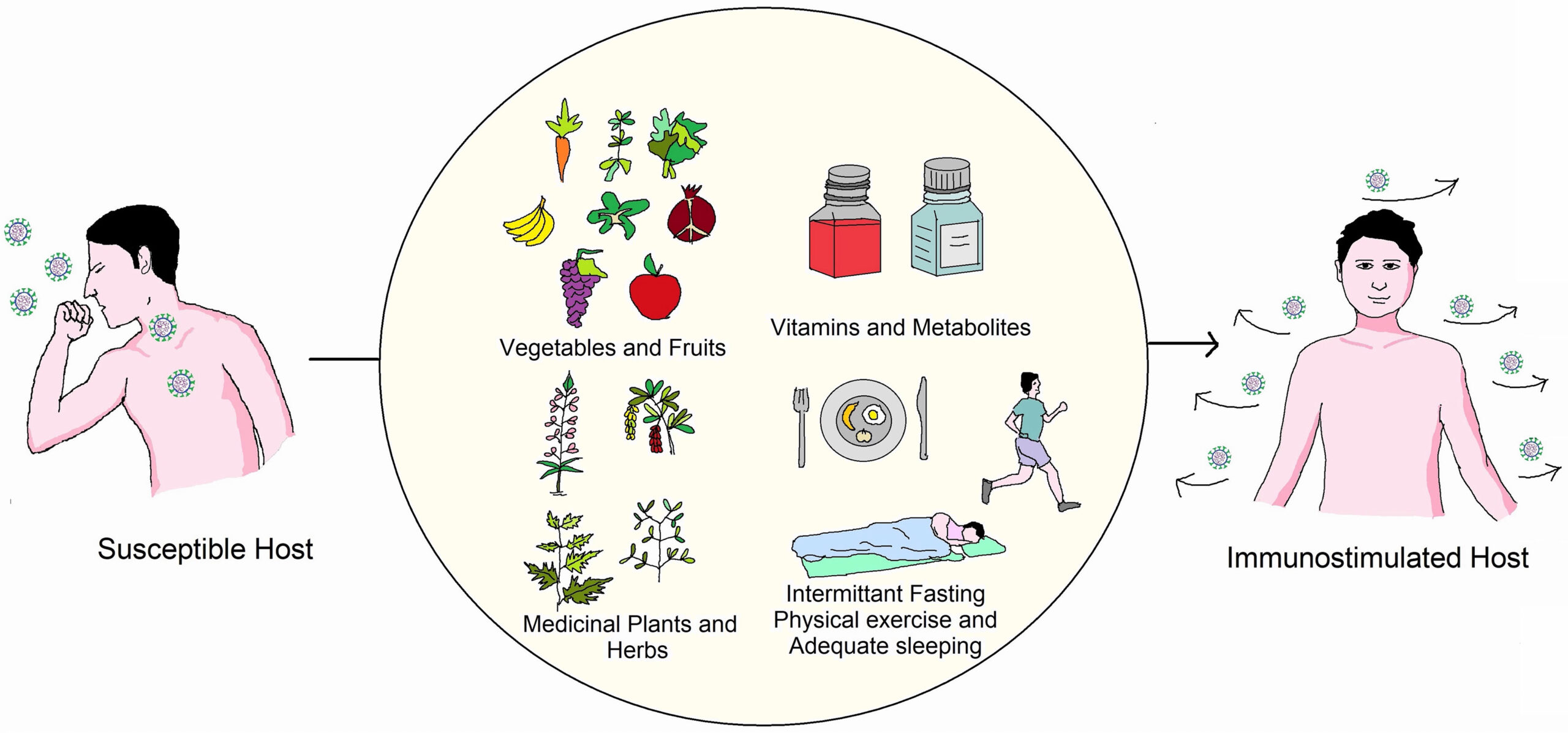
- Prioritize lifestyle changes — balanced diet, regular exercise, and adequate hydration — over reliance on supplements alone.
- Stay informed about potential drug-supplement interactions especially with herbal supplements designed for weight loss or detoxing.
Emerging Regulations and the Need for Awareness
The lack of a unified regulatory framework makes it easier for unsafe supplements to enter the market. Countries with stricter regulations monitor the manufacturing, labeling, and testing of dietary supplements much more effectively, reducing risks for consumers. However, in many regions, these products still escape rigorous scrutiny. Therefore, public awareness is crucial. Educating consumers about the potential dangers and proper usage can significantly reduce health incidents related to supplement toxicity.
Conclusion: The Need for Vigilance and Informed Choices
In conclusion, while natural supplements may seem like a safe and convenient way to enhance health, the reality is far more nuanced. Dr. Sudeep Khanna’s warnings serve as a vital reminder that natural does not always mean harmless. The potential for **liver toxicity**, **kidney damage**, and other health complications necessitates a cautious approach. Before embracing any supplement, consumers should conduct thorough research, seek medical advice, and are encouraged to prioritize evidence-based, healthy lifestyle habits over quick fixes.
Awareness and responsible use are the keys to safeguarding your health against the hidden dangers that many natural supplements may pose.
For more updated news please keep visiting Hourly Prime News.