

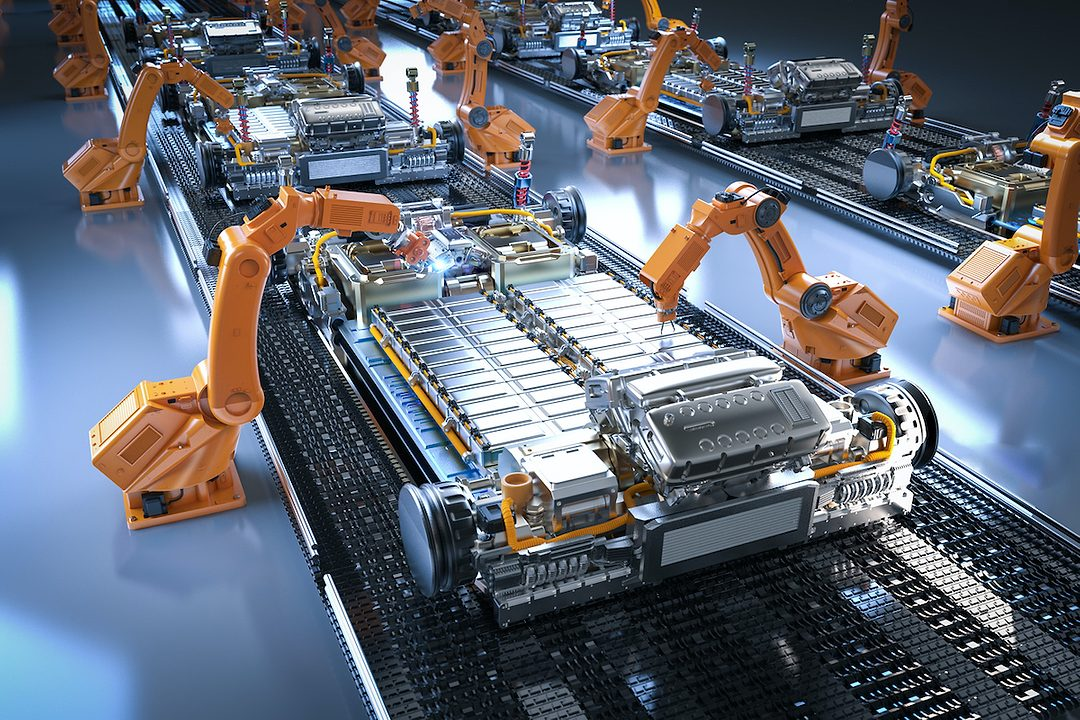
The Indian automotive sector, a vital pillar of the nation’s economy, has long been recognized for its rapid growth and technological advancements. However, in recent times, the industry has faced a multitude of challenges ranging from sluggish demand, global supply chain disruptions, to environmental regulations pushing for cleaner technologies. To address these issues and bolster the sector’s resilience, the Government of India has announced a significant financial intervention: an investment of Rs 1345 crore aimed at revitalizing and transforming the auto industry. This strategic move underscores the government’s commitment to safeguarding thousands of jobs, fostering innovation, and steering the sector towards a sustainable future.
Understanding the Need for a Government Backing
The Indian auto industry is one of the largest in the world, with a sprawling network of manufacturers, suppliers, and service providers. However, recent years have seen a slowdown, with sales declining due to various reasons such as increasing fuel prices, stringent emissions norms, and changing consumer preferences. The COVID-19 pandemic further exacerbated the situation by disrupting production and supply chains, leading to economic repercussions across the sector.
Recognizing these challenges, the government’s substantial investment aims to provide a much-needed boost. It is envisioned not just as a bailout but as a strategic investment to promote innovation, upgrade manufacturing capabilities, and enhance sustainable automotive technologies. Such an intervention aligns with India’s broader vision to become a global automotive hub, especially in the electric vehicle (EV) segment.
Breakdown of the Rs 1345 Crore Investment
The Rs 1345 crore fund allocation is poised to be utilized across various initiatives designed to transform the auto industry. Here are some of the primary areas where the funds are expected to make an impact:
- Promotion of Electric Vehicles (EVs): Significant portions of the fund will support the development of EV infrastructure, including charging stations and battery manufacturing units. This fosters a shift from traditional internal combustion engines (ICE) to cleaner, sustainable alternatives.
- Research & Development (R&D): Encouraging innovation in automotive technology, especially in areas like autonomous vehicles, connectivity, and vehicle safety systems.
- Skilling and Reskilling Workforce: Upgrading the skills of workers to match new technological demands, ensuring employment security in the evolving industry landscape.
- Support for Local Manufacturers: Facilitating small and medium enterprises (SMEs) in the auto supply chain to upgrade machinery and adopt cleaner manufacturing practices.
- Modernization of Manufacturing Hubs: Initiatives to make manufacturing units more efficient, environmentally friendly, and aligned with global standards.
Implications for the Indian Auto Sector
Reviving Declining Sales and Production
The injection of funds aims to stimulate demand by making newer, more technologically advanced, and eco-friendly vehicles accessible and appealing to consumers. These measures will help revive production lines that have been operating below capacity, ultimately reviving jobs and stimulating economic activity.
Accelerating the Transition to Electric Vehicles
One of the most promising aspects of this government investment is the acceleration toward electric vehicles. By supporting EV ecosystem infrastructure, the government is likely to attract investments from global auto giants and startups alike, fostering a competitive and innovation-driven environment.
Enhancing India’s Global Competitiveness
Competitiveness in the automotive sector hinges on technological innovation, cost efficiency, and sustainable practices. The government’s financial support will enable Indian manufacturers to keep pace with global standards, especially in areas like autonomous driving, smart connectivity, and emission control technologies.
Long-term Vision: A Sustainable and Self-reliant Auto Industry
The government’s investment underscores its strategic vision to develop a self-reliant automotive ecosystem that is sustainable, technologically advanced, and globally competitive. This is in line with Prime Minister Narendra Modi’s “Make in India” initiative, which aims to promote local manufacturing and innovation.
Furthermore, fostering the adoption of electric and hybrid vehicles will significantly contribute to India’s commitment to reducing carbon emissions. As climate change becomes a pressing global concern, the auto industry’s transition to cleaner energy sources will be vital in meeting international environmental standards and commitments.
Impact on Employment and Economy
Beyond technological advancements, the financial injection is expected to protect and create jobs within the auto manufacturing, component supply, and after-sales services sectors. A thriving auto industry will also stimulate related sectors such as logistics, infrastructure, and retail. By ensuring the industry’s growth, the government aims to keep millions employed, thereby contributing to overall economic stability.
Challenges and Considerations Moving Forward
While the investment is promising, successful implementation requires meticulous planning. Challenges such as infrastructural bottlenecks, consumer acceptance of electric vehicles, and the need for continuous innovation must be addressed. Promoting awareness and incentives for consumers to switch to cleaner vehicles will be critical in realizing the industry’s full potential.
Moreover, policy consistency, favorable taxation, and industry-specific regulations will determine whether the funds translate into sustainable growth. Collaboration between government agencies, private sector players, and research institutions will be vital to create an ecosystem conducive to innovation and growth.
Conclusion
The government’s bold decision to invest Rs 1345 crore marks a pivotal moment for the Indian auto industry. It is an ambitious step toward transforming challenges into opportunities, propelling the sector into a new era of technological leadership and environmental sustainability. If effectively implemented, this initiative could cement India’s position as a major global hub for innovative and eco-friendly automobiles.
As the industry adapts to these changes, stakeholders across the spectrum must work together to ensure sustainable growth, job creation, and technological advancements that benefit consumers and the environment alike.
For more updated news please keep visiting Hourly Prime News.