

Google Earthquake Warning App History
The year 2023 marked a significant event in Turkey’s history with a devastating earthquake that caused widespread destruction and loss of life. While technological advancements have bolstered disaster preparedness through early warning systems, recent reports reveal that Google’s earthquake alert application failed to notify millions of residents in Turkey about the severity of the quake. This failure has become a focal point of debate, raising questions about the reliability of modern emergency alert systems and their effectiveness in saving lives during natural disasters.
The Role of Google’s Earthquake Warning System
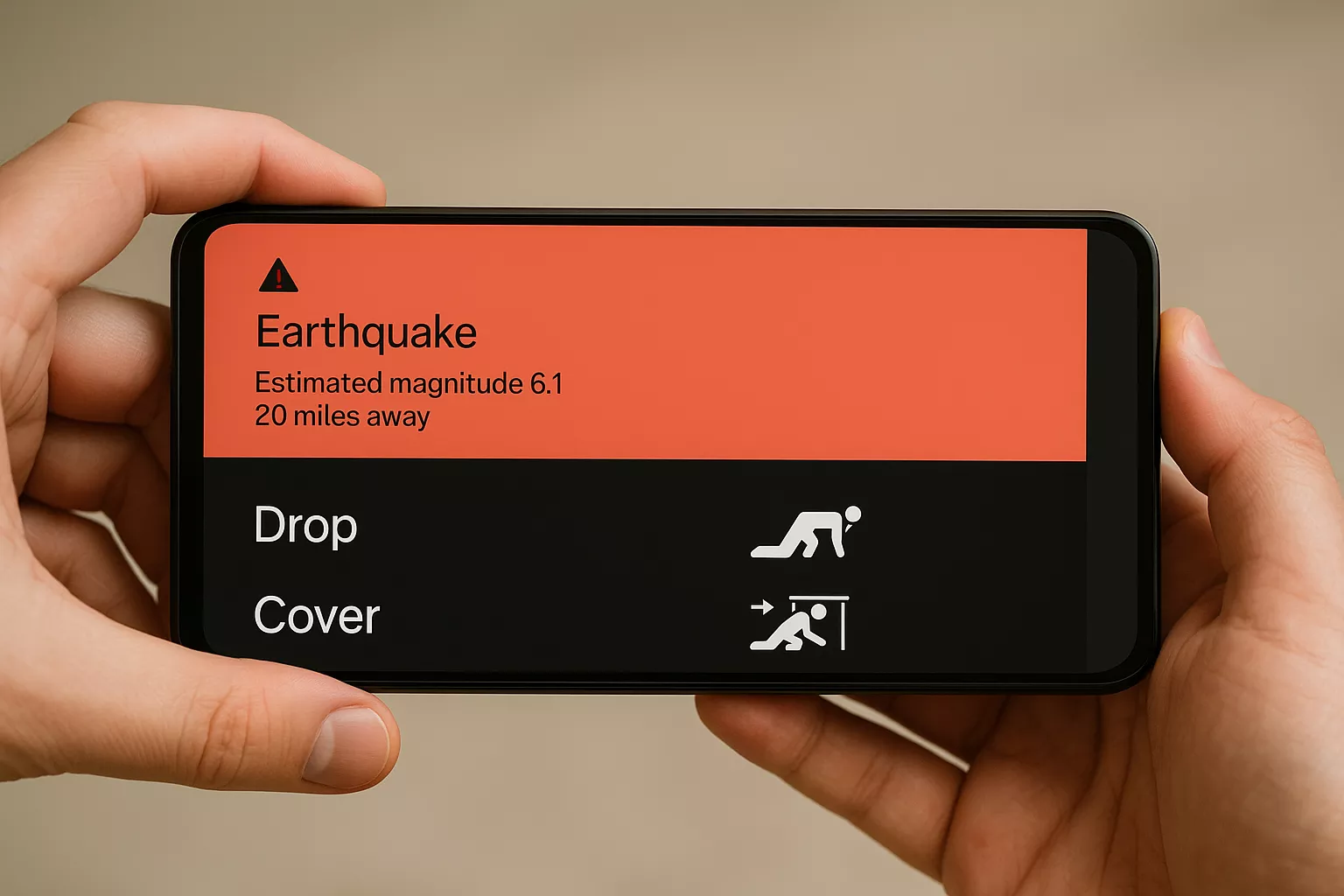
Google’s early warning app has been a part of a broader initiative to utilize mobile technology for disaster risk reduction worldwide. Since its inception, the system leverages the vast reach of Android phones in over 98 countries, aiming to provide real-time alerts to users about natural calamities like earthquakes.
The core idea behind such apps is to deliver critical alerts promptly, enabling individuals to take immediate safety measures. In Turkey, where seismic activity is high, the adoption of Google’s earthquake alerts was seen as a vital step toward improving community resilience.
However, despite its widespread deployment, the 2023 earthquake exposed significant shortcomings. The failure to notify 10 million people in Turkey about the severity of the quake highlights that technological solutions, no matter how advanced, are not foolproof, especially in moments of crisis.
Details of the Failure in 2023
Reports and Findings
- Failure to Notify: According to reports from bne IntelliNews, over 10 million citizens were left uninformed during the critical earthquake warning window.
- Media Coverage: The BBC and Times of India, detailed the system’s failure to dispatch alerts effectively.
Official Statements & Response
Google acknowledged the failure, with a spokesperson stating that despite the efforts to provide real-time alerts, “technical limitations and network overloads during the earthquake event impeded the delivery of notifications to millions.” They emphasized ongoing efforts to improve the system’s robustness and reliability in future emergencies.
Such admissions highlight a crucial truth: even the most advanced technology can falter under the immense pressure of natural disasters, especially when infrastructure is strained or systems are misaligned with local needs.
The Challenges of Early Warning Systems in Earthquake-Prone Regions
Implementing effective earthquake warning systems is inherently complex. Factors such as:
- Technological Limitations: Cellular networks may become congested during emergencies, impeding message delivery.
- Geographical Constraints: Terrain and urban density influence signal transmission and detection accuracy.
- System Integration: Coordinating alerts between government agencies, mobile networks, and private firms remains challenging.
- User Engagement & Education: Populations need to be aware of how to interpret alerts and respond effectively.
In Turkey’s context, these issues were compounded by the sheer scale of the earthquake and existing infrastructural vulnerabilities, which contributed to the failure of the warning app to reach crucial segments of the population.
Implications and Lessons Learned
Impact on Public Safety and Trust
The failure diminished public trust in digital warning platforms, potentially leading residents to underestimate the severity or ignore future alerts. Such skepticism can be dangerous and may undermine disaster response efforts in subsequent events. The incident underscores the importance of transparency and continuous system evaluation.
Technological Shortcomings & Need for Improvements
To enhance reliability, authorities need to:
- Invest in Infrastructure: Strengthen cellular and internet networks, especially in high-risk zones.
- Develop Redundant Systems: Implement multi-channel alerts that include SMS, internet, radio, and TV broadcasts.
- Incorporate AI & Machine Learning: Use intelligent algorithms to detect seismic activity more swiftly and accurately.
- Regular Drills & Public Education: Conduct community training and simulations to foster preparedness.
Without these strategic improvements, the gap in emergency communication will remain wide, leaving millions vulnerable in future emergencies.
The Role of Citizens and Community Preparedness
While technology plays a vital role, community preparedness remains paramount. Residents living in earthquake-prone areas need to be educated about safety measures, such as dropping, covering, and holding on, and should have personal emergency kits ready. Relying solely on digital alerts is risky, especially when systems fail, highlighting the need for fundamental safety training at the grassroots level.
Global Perspective and Future Outlook
Turkey’s experience with the failed warning system is a microcosm of a global challenge. Countries worldwide grapple with deploying effective early warning systems amidst technological, infrastructural, and social hurdles. The incident with Google’s app serves as a wake-up call for authorities, tech companies, and communities to prioritize resilient, multi-layered alert strategies.
Future advancements may include integration of Internet of Things (IoT) devices, improved seismic detection sensors, and community-based alert networks. The goal remains clear: to save lives through timely, reliable warnings, even when technological failures occur.
Conclusion
The 2023 earthquake in Turkey exposed critical vulnerabilities in the country’s reliance on digital early warning systems like Google’s earthquake alert app. Despite the promise of instant notifications, the failure to reach 10 million citizens serves as a stark reminder that no system is infallible. As technology continues to evolve, resilience, redundancy, and public education must go hand in hand to truly safeguard communities against natural disasters.
Moving forward, stakeholders must collaborate to build more robust, inclusive, and failure-resistant warning networks that prioritize human life above all. Only through ongoing innovation, transparency, and community engagement can we hope to mitigate the devastating impacts of future earthquakes.
For more updated news please keep visiting Hourly Prime News.