

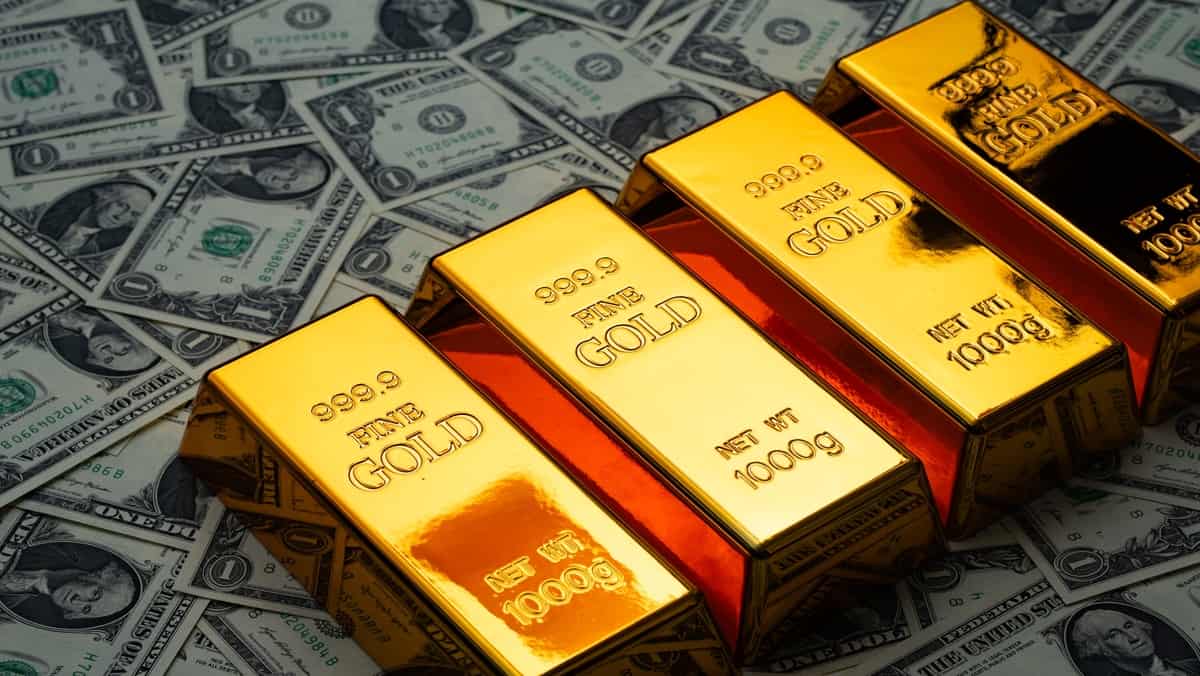
The Current Landscape of Gold Markets
Gold has long been regarded as a safe-haven asset, especially in times of economic uncertainty and geopolitical turbulence. Recently, despite fluctuating market conditions, gold prices have shown a notable trend of stability. This period of steadiness comes amid a climate of increasing ambiguity surrounding U.S. Federal Reserve policies and the looming threat of tariff hike disagreements, which collectively influence investor sentiment and demand for precious metals.
Investors’ Dilemma: Navigating Fed Uncertainty
The Federal Reserve’s monetary policy outlook remains one of the most significant factors impacting gold prices. Investors are closely monitoring the Fed’s statements and meeting signals, uncertain whether the central bank will adopt a hawkish or dovish stance in upcoming meetings. The possibility of interest rate hikes or pauses heavily influences gold’s trajectory, given that higher interest rates tend to strengthen the dollar and make non-yielding assets like gold less attractive.
According to recent reports from FXStreet.
This ongoing Fed uncertainty has played a pivotal role in limiting drastic movements in gold prices, with markets instead focusing on the broader economic signals and interest rate prospects.
The Impact of Upcoming Tariff Changes
Simultaneously, the prospect of impending tariff adjustments has introduced a layer of unpredictability into the global economic environment. The trade tensions, particularly those involving major economies like the United States and China, have a historical tendency to push investors toward safe-haven assets, with gold being a prime beneficiary. As tariffs threaten to escalate or become more restrictive, gold continues its role as a hedge against geopolitical and economic instability.
According to Times of India.
This development signifies heightened scrutiny over trade policies, which could directly impact gold’s role as a safe haven.
Market Sentiment: Gold’s Resilience and Predictions
Despite these uncertainties, gold prices have been remarkably steady, buoyed by various cross currents like the weak dollar, geopolitical tensions, and expectations of monetary easing by central banks worldwide. The weakening US dollar has particularly supported gold, as a lower dollar makes gold cheaper for holders of other currencies, thereby increasing demand.
Recent analyses from FXStreet indicate that gold is currently trading near multi-month highs. This rise has been fueled by multiple factors converging, including the soft dollar, increasing inflation hedging demand, and a subdued bond yield environment.
Expert Outlook and Future Strategies
Many market experts believe that the current stability in gold prices is a reflection of cautious investor sentiment in the face of macroeconomic uncertainties. According to Times of India, it looks as if gold will continue to be supported in the near-term, given its appeal as a hedge during uncertain times.
Conclusion: Gold’s Stable Path Forward
The intertwined influences of Federal Reserve policy ambiguity, global trade tensions, and macroeconomic uncertainties have created a complex environment for gold investors. While short-term movements may appear subdued, the overall outlook suggests that gold remains a resilient asset. Investors are advised to watch the key indicators like dollar strength, bond yields, and geopolitical developments to gauge future price trends. Gold’s stability amidst these challenging conditions underlines its role as a vital component in diversified investment portfolios during times of flux.
Many analysts recommend maintaining a balanced approach, utilizing technical analysis and macroeconomic forecasts to decide between buying or selling gold at current levels. The upcoming months are expected to be crucial in determining whether gold will forge new highs or consolidate further, driven by global economic policies and economic recovery trajectories.
Implications for Investors
- Hedging Against Inflation and Currency Fluctuations: Gold continues to serve as an effective hedge against inflation and volatility in currency markets. As central banks consider monetary easing policies, gold’s appeal could be further reinforced.
- Market Volatility and Safe-Haven Investment: As geopolitical tensions persist and trade disputes remain unresolved, demand for secure assets like gold is likely to stay elevated.
- Strategic Positioning: Investors should keep abreast of Fed communications and global trade developments to time their moves effectively within the gold market.
Final Thoughts
While the gold market currently exhibits a stance of stability, the future remains uncertain amidst evolving economic indicators. The balance of risks and opportunities calls for careful monitoring of macroeconomic signals and geopolitical events. Gold’s unique position as a safe-haven asset means it will likely continue to attract interest during periods of uncertainty, offering a form of financial security in volatile times.
As always, prudent investors will consider both historical patterns and current data to make informed decisions. The current market environment underscores the importance of cautious optimism and strategic agility for those looking to navigate the gold landscape effectively.
For more updated news please keep visiting Hourly Prime News.