

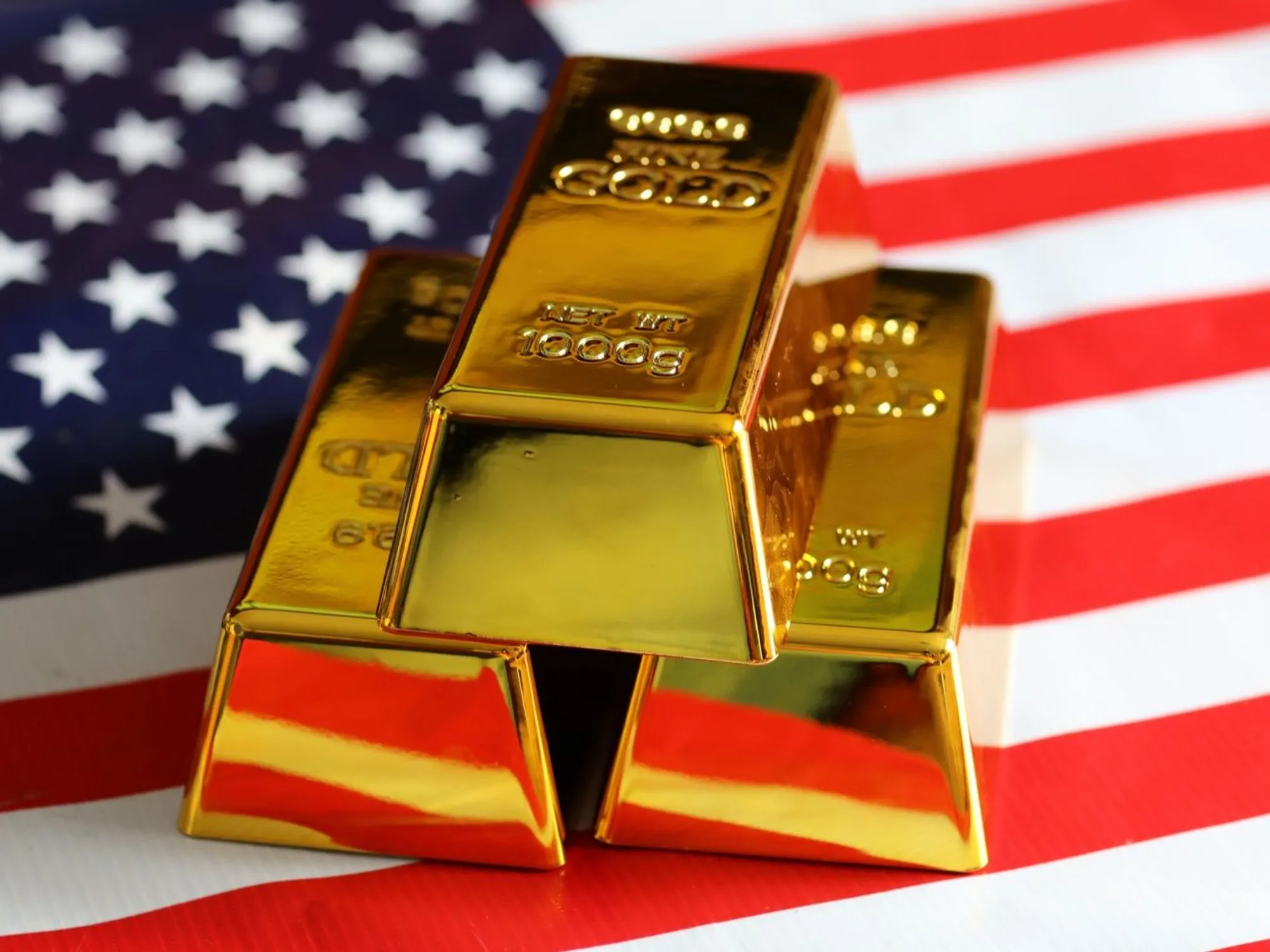
In recent days, the gold market has witnessed a modest but notable uptick in prices. As investors and analysts turn their attention to upcoming diplomatic negotiations between the United States and Russia, gold prices have responded with increased interest and cautious optimism. This trend reflects the complex interplay of geopolitical tensions, economic uncertainties, and global markets’ reactions to potential outcomes of strategic talks.
The Current State of Gold Prices
Gold has edged up in value, driven largely by investor anticipation surrounding critical diplomatic developments. According to financial reports from uk.finance.yahoo.com, market participants are watching closely as negotiations between the US and Russia loom on the horizon. These geopolitical negotiations often serve as catalysts for safe-haven asset flows, with gold historically benefiting from uncertainty and potential conflict or resolution.
Factors Contributing to the Rise
- Geopolitical Tensions: Rising tensions between global superpowers frequently lead investors to seek refuge in tangible assets like gold.
- Economic Uncertainty: Concerns over inflation, currency fluctuations, and economic growth prospects contribute to increased demand for gold.
- Anticipation of Diplomatic Outcomes: The upcoming US-Russia meeting is seen as a pivotal event that could ease or escalate tensions, directly influencing investor sentiment.
- Market Volatility: Fluctuations in stock markets and currency markets amplify gold’s appeal as a stable store of value.
The Significance of the US-Russia Meeting
Context and Background
Diplomatic talks between the US and Russia aren’t new, but each meeting carries the potential for significant shifts in global relations. Historically, such summits have either de-escalated conflicts or led to heightened tensions, influencing global markets and commodities like gold.
Potential Outcomes and Market Reactions
The markets are particularly sensitive to the possible outcomes of this meeting, which include:
- De-escalation of Tensions: A positive outcome could strengthen diplomatic ties, reduce global uncertainties, and potentially lead to a dip in gold prices as investors regain confidence in riskier assets.
- Escalation or Uncertainty: Conversely, if negotiations break down or escalate, gold could see further gains as investors seek safety.
According to
Historical Perspective on Gold’s Response to Geopolitical Events
Throughout history, gold has demonstrated resilience during times of international conflicts and diplomatic tensions. For example, during the Cold War era, gold prices often surged during periods of heightened tension between superpowers. Similarly, recent conflicts or diplomatic stand-offs have resulted in notable gold rallies, reaffirming its status as a safe haven asset.
Case Studies
- 2008 Financial Crisis: Gold prices soared as banks failed and economies faced downturns.
- Middle East Conflicts: Significant increases in gold demand were observed during periods of unrest in the Middle East, driven by fears of instability.
- US-China Trade Tensions: Gold often acted as a hedge during the volatile trade negotiations and tariffs imposed during the Trump administration.
Market Analysts’ Insights and Predictions
Financial analysts remain divided in their outlook, but many agree on one point: the upcoming US-Russia meeting is a significant event that could determine the short-term momentum of gold prices.
Some experts predict that if diplomatic efforts lead to a de-escalation, gold might see a temporary decline, shifting investor focus towards riskier assets. Conversely, if tensions persist or worsen, gold could experience further gains, maintaining its position as a preferred safe haven.
Moreover, the broader economic landscape—including inflation rates, monetary policy decisions by major central banks, and currency stability—continues to influence gold’s price trajectory.
Broader Economic and Political Implications
Impact on Global Markets
The outcome of the US-Russia negotiations will ripple through multiple sectors, affecting currency markets, stock indices, and commodities. Uncertainty tends to increase gold’s appeal, especially when international relations threaten to disrupt economic stability.
Implications for Investors
Investors should remain vigilant and consider diversifying their portfolios to hedge against geopolitical risks. Gold, with its historical track record, remains a key component of risk mitigation strategies during turbulent times.
It’s also essential for investors to monitor the news closely, as unexpected developments in the US-Russia diplomatic front could lead to rapid shifts in gold prices.
Conclusion: A Watchful Eye on Diplomatic Developments
As the world holds its breath for the upcoming US-Russia meeting, the gold market continues to reflect this anticipation. While current trends suggest a cautious upward movement, the true direction will depend heavily on the diplomatic outcomes and the broader geopolitical climate.
In times of uncertainty, gold remains a reliable safe haven, but investors should stay informed and prepared for possible volatility.
Remember, geopolitical events are inherently unpredictable, and their effects on markets can be swift and substantial. The key for investors is to stay informed, keep a diversified portfolio, and remain cautious of rapid market changes during such crucial times.
For more updated news please keep visiting Hourly Prime News.