

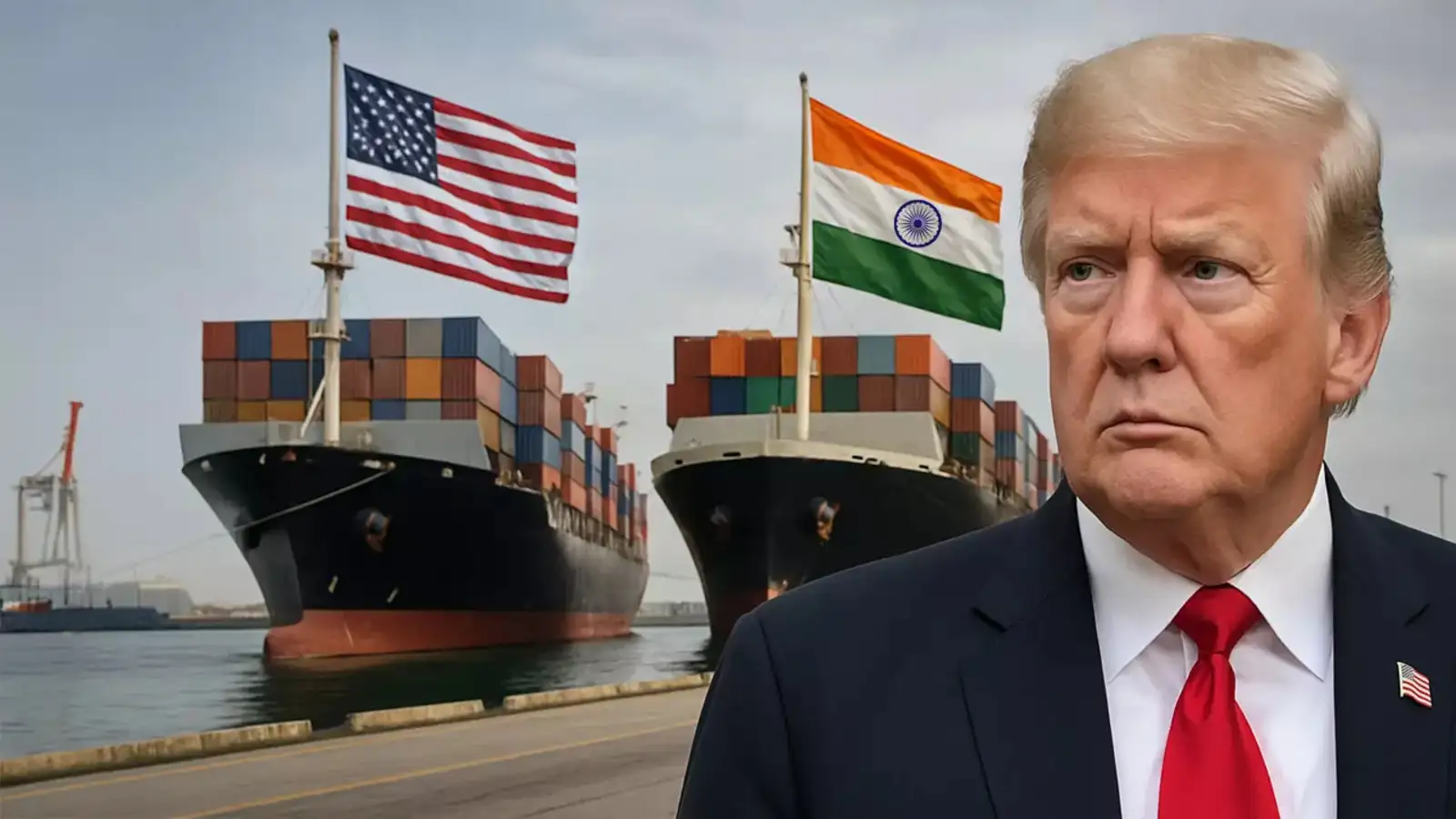
Worldwide Global Tariffs Impact on Multiple Industries Highlights
The global economic landscape is witnessing a significant upheaval as tariffs across various nations have surged by up to 50%. This escalation is rippling through multiple industries, disrupting supply chains, increasing costs, and reshaping international trade dynamics. While some countries and industries are feeling the immediate heat, a few fortunate sectors appear to be less affected or even benefiting from these changes. This unprecedented surge in tariffs marks a pivotal moment in global trade, prompting businesses, policymakers, and consumers to reevaluate their strategies and expectations.
The Scope and Scope of the Tariff Increase
What is Causing the Tariff Spike?
The increase in tariffs is primarily driven by trade tensions and protectionist policies adopted by several countries aiming to safeguard domestic industries or retaliate against perceived unfair trade practices. Geopolitical conflicts, economic nationalism, and strategic negotiations have all contributed to this surge. Experts suggest that the tariffs are being deployed as leverage in ongoing trade negotiations, with some nations seeking to strengthen their bargaining positions.
Which Countries Are Most Affected?
While the tariff hike impacts a broad spectrum of nations, some of the most affected include:
- The United States, which has implemented increased tariffs on imports from China, Europe, and other regions.
- China, responding with reciprocal measures on U.S. exports.
- European countries, adjusting their tariffs in response to international trade disputes.
- Emerging markets, which are often more vulnerable due to less diversified economies.
Impact on Industries Around the Globe
Manufacturing and Automotive Sectors
The manufacturing industry, especially segments like automotive and electronics, are experiencing considerable upheavals. Higher tariffs on raw materials, components, and finished goods are driving up production costs. Companies are expected to pass these costs onto consumers, resulting in elevated prices that could dampen demand. Additionally, supply chain disruptions are causing delays and increasing uncertainties in production schedules.
Technology and Consumer Electronics
The technology sector is highly sensitive to tariff hikes, given its reliance on global supply chains. Increased costs of semiconductors, rare earth materials, and finished gadgets are likely to lead to higher retail prices. Companies like Apple, Samsung, and others are already adjusting their pricing strategies, which may impact consumer purchasing behavior worldwide.
Agriculture and Food Industries
In the agriculture sector, tariffs directly influence the prices of imported and exported commodities. Countries that are major exporters—such as Brazil, Argentina, and the U.S.—are experiencing shifts in trade flows, affecting farmers and consumers alike. The retaliatory tariffs in response to trade conflicts have led to decreased exports and increased domestic prices for certain food products.
Energy and Raw Materials
Tariffs on key raw materials like metals and energy resources contribute to rising costs for industries like construction, aerospace, and heavy machinery. The fluctuating prices of crude oil and metals such as steel and aluminum directly impact manufacturing expenses, project costs, and ultimately, end-user prices.
Case Study: The Impact on Specific Industries
Automotive Industry
The automotive sector is particularly vulnerable to tariff surges due to its intricate global supply chain. Manufacturers sourcing parts from various countries are now facing increased costs, which could translate into higher vehicle prices and lower sales. Some automakers are considering reshoring or diversifying their supply sources to mitigate risks.
Textile and Apparel Industry
Textile producers, especially in countries heavily reliant on imported raw materials, are experiencing cost escalations. With tariffs making imported fabrics and machinery more expensive, the industry faces margin compression, potentially leading to job cuts or shifts in production hubs.
Pharmaceuticals and Healthcare
While less directly impacted by tariffs compared to manufacturing sectors, pharmaceutical companies face pressures from increased costs of raw materials and logistics. This can influence drug prices and availability in certain regions, further complicating healthcare delivery where timely access is critical.
Global Response and Business Strategies
Adapting to the New Tariff Landscape
In response to rising tariffs, many firms are exploring various strategies:
- Diversification of supply chains to avoid over-reliance on specific regions.
- Reshoring and nearshoring operations to reduce exposure to international tariffs.
- Increasing inventory levels to buffer against supply disruptions.
- Negotiating with suppliers for better terms to offset increased costs.
- Lobbying and policy advocacy to influence trade policies and seek tariff reductions or exemptions.
Government Interventions and Trade Negotiations
Governments worldwide are actively engaged in trade negotiations, attempting to de-escalate tariffs or secure trade agreements favorable to their industries. Some are employing measures such as subsidies, tax reliefs, or counter-tariffs to cushion the blow on their economies.
Long-term Implications of the Tariff Surge
Shifts in Global Supply Chains
As tariffs evolve, industries may experience a permanent shift in supply chain configurations. Countries and companies might prioritize local sourcing more than ever, which could lead to the proliferation of regional supply networks and a decrease in global interconnectedness.
Inflation and Consumer Prices
The increased tariffs contribute to inflationary pressures worldwide, with consumers facing higher prices across multiple product categories. This can slow economic growth and pose challenges for policymakers aiming to keep inflation under control.
Geopolitical Tensions and Economic Diplomacy
Tariffs are more than just trade measures—they are tools of geopolitical influence. The current surge underscores the importance of diplomatic relations and strategic alliances in managing global economic stability.
Conclusion: Navigating the New Normal
The surge in worldwide tariffs up to 50% represents a critical inflection point in global commerce. While the immediate impact is evident in rising costs and disrupted supply chains, the long-term effects could reshape the very fabric of international trade. Businesses must adapt proactively by exploring flexible supply options, leveraging technology, and engaging in strategic planning. Governments, too, need to balance protectionist policies with the imperatives of global cooperation to foster sustainable growth.
In this evolving scenario, resilience and agility will determine success in navigating the turbulent waters of global tariffs.
For more updated news please keep visiting Hourly Prime News.