

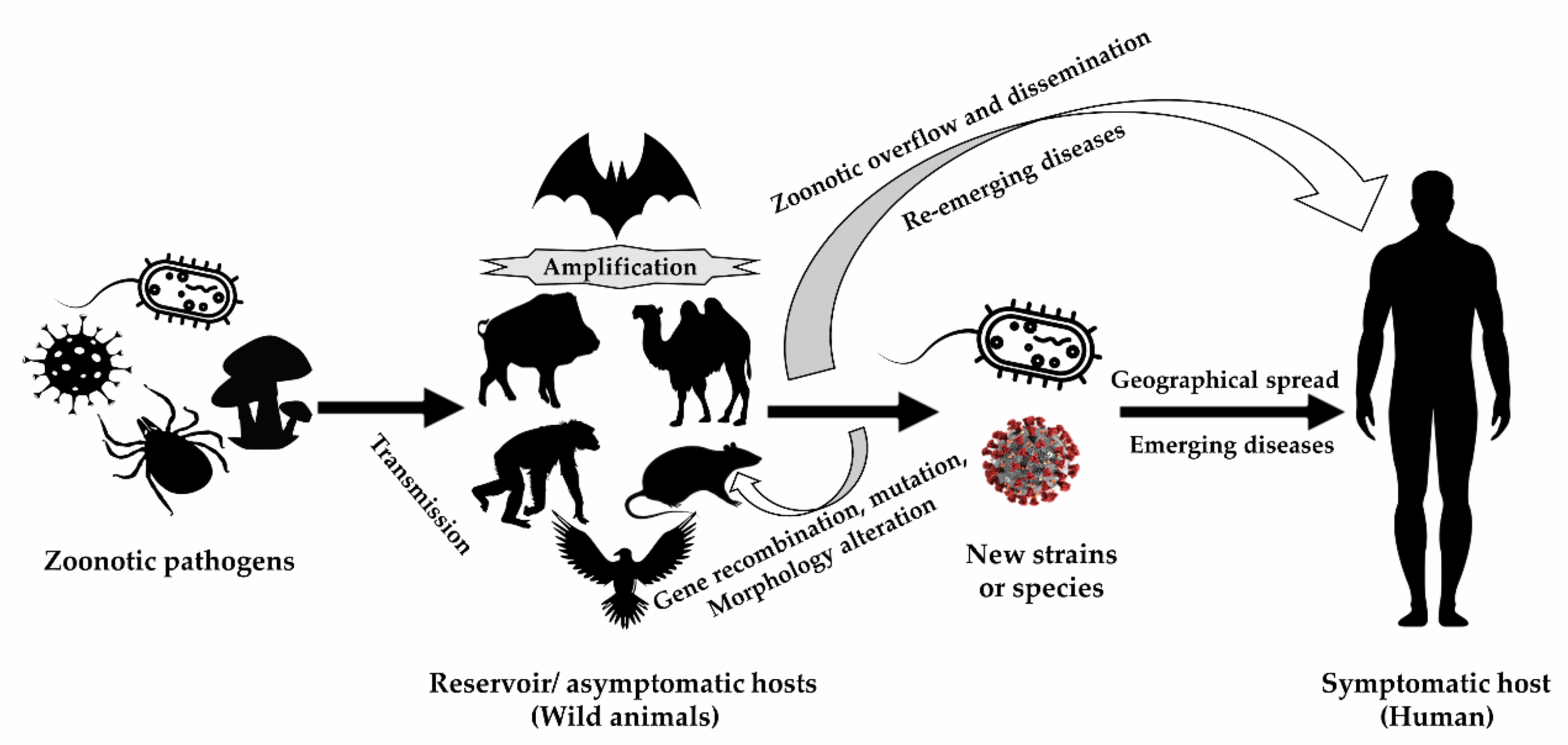
In recent years, the world has become increasingly aware of the escalating threat posed by zoonotic diseases—illnesses that are transmitted from animals to humans. From COVID-19 to Ebola, the impact of these outbreaks has been devastating, highlighting the urgent need for global vigilance. According to a recent report highlighted by Deccan Herald, **more than 9% of the Earth’s landmass now faces a high risk of zoonotic outbreaks**. This statistic is alarming, signaling a potential surge in novel pathogens crossing the animal-human barrier and causing widespread health emergencies.
Mapping the Risk: Which Regions are Most Vulnerable?
The concerning data draws attention to specific regions that are particularly vulnerable to zoonotic spillovers. These include parts of Asia, Africa, and South America where dense human populations intersect with diverse wildlife habitats. Rapid urbanization, deforestation, and agricultural expansion are significantly shrinking natural ecosystems, forcing animals into closer contact with human settlements. This increased proximity creates ideal conditions for zoonotic pathogens to leap from animals to humans.
For example, Southeast Asia’s tropical forests, teeming with wildlife hosts, are experiencing deforestation at an unprecedented rate. As forests shrink, wildlife species such as bats and rodents—known reservoirs for viruses—are compelled to venture into human-dominated landscapes. Similarly, in Africa, expanding farmland and human settlements in wildlife-rich zones heighten the chances of disease transfer. South America, with its rich biodiversity and increasing deforestation, also faces imminent risks.
Climate Change: Fueling New Vulnerabilities
Climate change is playing a significant role in widening the geographic spread and intensity of zoonotic risks. As reported by Carbon Brief, shifts in climate patterns are creating “new vulnerabilities” for disease pandemics. Rising temperatures, altered rainfall patterns, and increased frequency of extreme weather events disturb ecosystems, affecting the distribution and behavior of disease-carrying animals and insects.
- Vector-borne diseases: Warmer temperatures enable mosquitoes and ticks—vectors for diseases like malaria, dengue, and Lyme disease—to expand into previously inhospitable areas. This expansion increases the likelihood of human exposure.
- Changing animal habitats: Disrupted habitats can force wild animals into closer contact with humans, elevating the chances of zoonotic spillover.
- Altered migration patterns: Climate-induced shifts affect migration and breeding patterns of wildlife, influencing the dynamics of pathogen transmission.
The Role of Deforestation and Habitat Loss
One of the principal drivers behind the increasing zoonotic risk is the rampant deforestation worldwide. As forests are cleared for agriculture, urban development, and logging, the natural habitats of many wild species disappear. This habitat fragmentation not only threatens biodiversity but also irritates the delicate balance that keeps zoonotic diseases in check.
Without their natural environments, animals such as bats—carriers of coronaviruses and other pathogens—are driven into closer contact with human populations. The infamous SARS outbreak, for instance, was linked to markets and wildlife trade in Asia, where disrupted ecosystems facilitated zoonotic transmission. The ongoing destruction of forests thus acts as both a symptom and a catalyst of increased disease emergence.
Impacts of Urbanization and Human Activity
Global urbanization is another key factor amplifying zoonotic risks. Rapid city growth consumes wildlife habitats and increases human-wildlife interactions. Markets selling live animals, wildlife trade, and unsanitary farming practices create pathways for pathogens to jump species barriers.
Additionally, the encroachment into remote areas for resource extraction or settlement purposes often occurs without sufficient disease mitigation measures. As a result, once pathogens spill over, they can quickly spread within densely populated urban centers, leading to pandemics. The COVID-19 pandemic serves as a stark reminder of how interconnected these factors are.
Scientific Concerns: Climate Change and Disease Dynamics
Experts warn that climate change not only facilitates zoonotic spillovers but may also aid the persistence and spread of existing pathogens. As The Independent notes, scientists fear that shifting climate conditions could help COVID-19 and similar viruses thrive in new environments, complicating containment efforts.
- Enhanced viral survival: Environmental changes can influence viral stability outside hosts, increasing transmission chances.
- Extended transmission windows: Warmer climates may lengthen periods during which viruses remain viable outside the host, thereby elevating the risk of human infection.
Preventive Measures and Global Strategies
Addressing this escalating crisis requires a multi-faceted approach. This includes global cooperation, improved surveillance, and proactive policies to mitigate environmental destruction and regulate wildlife trade. Some essential strategies include:
- Protecting ecosystems: Conservation efforts to preserve biodiversity can help maintain ecological balances that naturally suppress zoonotic spillovers.
- Climate action: Rapid mitigation of climate change through renewable energy adoption and emission reductions is critical in reducing new vulnerabilities.
- Enhanced surveillance: Developing early warning systems to monitor zoonotic diseases in wildlife and human populations is vital for timely response.
- Community engagement and education: Raising awareness about the risks of wildlife trade and habitat destruction can foster responsible behaviors.
- Strengthening healthcare infrastructure: Ensuring robust healthcare systems worldwide improves resilience against outbreaks triggered by zoonotic infections.
The Way Forward: Global Responsibility and Urgent Action
The current situation underscores an urgent need for the international community to prioritize planetary health as a core component of global health security. Recognizing that a significant portion of the world’s land—over 9%—is at high risk for zoonotic outbreaks is a wake-up call. It emphasizes that our health is intricately linked to the health of our ecosystems and the climate.
To reduce the risk of future pandemics, policy-makers, scientists, and communities must work together to implement sustainable land-use practices, curb deforestation, and combat climate change. Only through coordinated efforts can we hope to mitigate this alarming trend and build a resilient world capable of preventing the next zoonotic crisis.
In conclusion, as zoonotic diseases continue to pose a threat to global health, understanding and addressing the underlying environmental causes is imperative. The health of our planet and its inhabitants are fundamentally intertwined; protecting one means safeguarding the other.
For more updated news please keep visiting Hourly Prime News.