

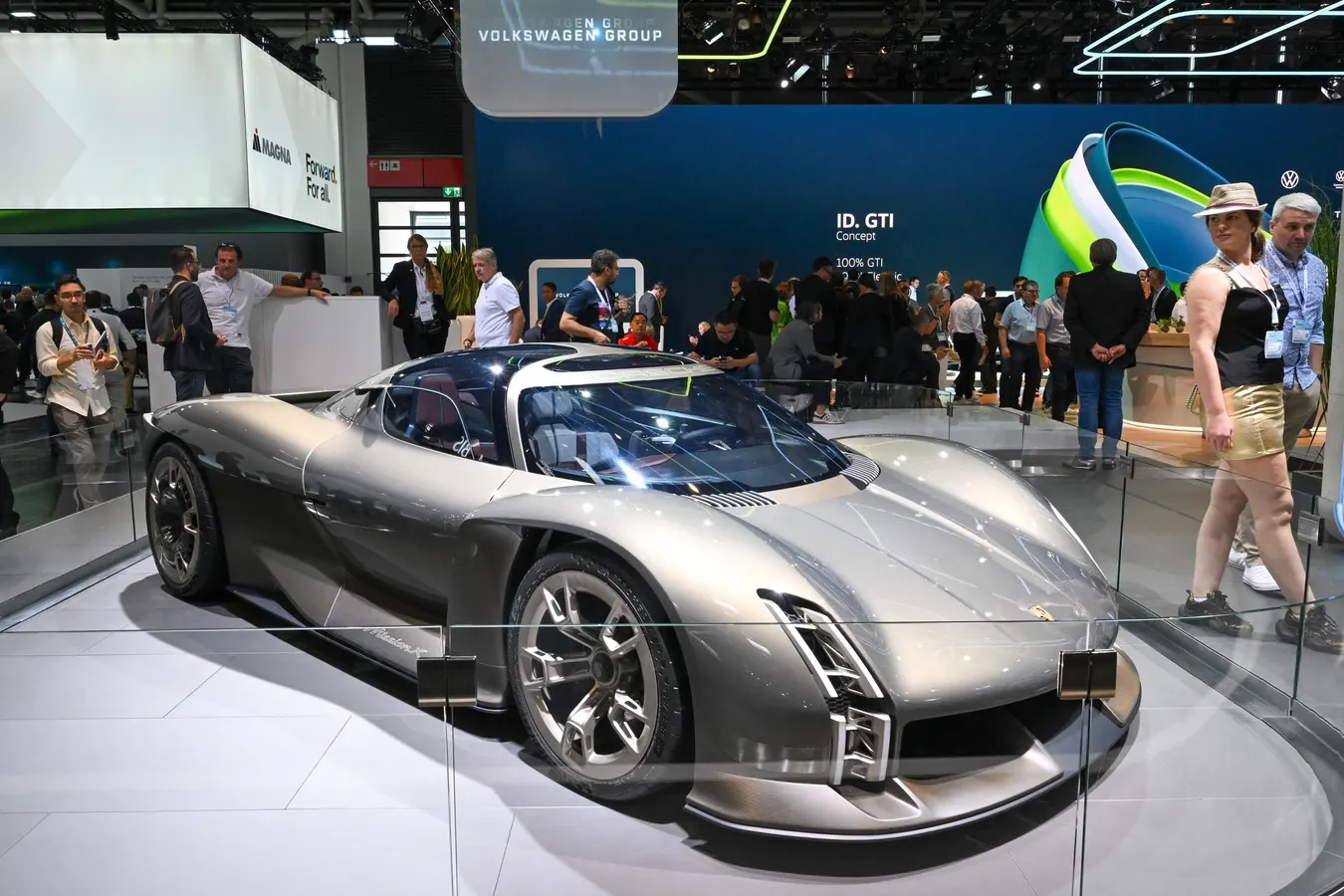
The International Motor Show Germany (IAA) has once again proven to be a pivotal platform for automakers to showcase their latest innovations and strategic visions for the future of mobility. As the automotive industry transitions into an era defined by sustainability, digitalization, and connectivity, German automakers are leveraging this global stage to demonstrate their commitment to embracing these transformative trends. From electric vehicles (EVs) to autonomous driving technology, the IAA show has become an incubator for groundbreaking ideas that promise to redefine the landscape of mobility in the years to come.
The Shift Toward Electric and Sustainable Mobility
One of the most prominent themes at this year’s IAA was the surge in electric vehicle (EV) development. German automakers such as Volkswagen, BMW, Mercedes-Benz, and Audi have outlined ambitious plans to electrify their lineups and reduce reliance on internal combustion engines. The pressure is mounting for industry leaders to meet stricter emissions standards and consumer demand for eco-friendly transportation options.
Highlights of Electric Vehicle Innovation
- Volkswagen unveiled its new ID series, emphasizing increased range, faster charging capabilities, and smart connectivity features that align with the future of seamless urban mobility.
- BMW introduced their latest electric models with enhanced battery technology, aiming for longer distances per charge and reduced charging times, fostering a more practical EV ownership experience.
- Mercedes-Benz showcased their EQ lineup, blending luxury with sustainability, and demonstrated advances in electric drivetrain performance and autonomous driving integration.
- Audi highlighted their commitment to e-mobility through concept models that combine innovative design with cutting-edge electric powertrain technology.
This focus on electrification is not just about product launches but also about strategic investments in charging infrastructure and sustainable manufacturing practices, reflecting a holistic approach toward greener mobility.
Autonomous Driving and Digital Connectivity: The Next Frontier
Beyond electrification, the integration of autonomous driving and digital connectivity has taken center stage at the IAA. German automakers are heavily investing in AI-driven driving assistance, vehicle-to-vehicle (V2V), and vehicle-to-infrastructure (V2I) communication systems that can enhance safety, reduce congestion, and improve passenger convenience.
Innovations in Autonomous Vehicles
- Mercedes-Benz showcased their latest Level 3 autonomous vehicle prototypes, demonstrating technology that allows cars to handle complex driving scenarios with minimal human intervention.
- BMW revealed advancements in sensor fusion and AI algorithms that contribute to increasingly autonomous driving capabilities while maintaining high safety standards.
- Volkswagen announced collaborations with tech companies to develop smart mobility solutions that integrate autonomous vehicles into urban transportation networks.
These developments are complemented by enhanced digital ecosystems within vehicles—developments that allow for over-the-air updates, personalized user experiences, and streamlined connectivity with smart city infrastructure. The aim is to create a cohesive and intelligent mobility experience that adapts to the needs of future urban environments.
Mobility-as-a-Service (MaaS) and Future Urban Transportation
The traditional car ownership model is gradually giving way to Mobility-as-a-Service (MaaS), which emphasizes shared and on-demand transportation solutions. German automakers are exploring various MaaS concepts, integrating ride-sharing, micro-mobility, and subscription services within their strategic frameworks.
Key Initiatives and Concepts
- Volkswagen launched their “Trinity” project, aiming to develop a highly automated electric vehicle integrated within a comprehensive mobility platform.
- Mercedes-Benz announced plans to establish ride-hailing services using autonomous electric shuttles, targeting urban areas with high-density populations.
- BMW is investing in micro-mobility solutions such as electric scooters and bikes to complement their automotive offerings.
These initiatives reflect a shift towards multi-modal, flexible, and accessible mobility options, reducing the need for private vehicle ownership and contributing to sustainable urban development. The integration of smart mobility services aligns with the increasing demand for convenient transportation solutions tailored to individual lifestyles.
Focus on Sustainability and Manufacturing Innovations
German automakers are not only innovating in vehicle technology but also pioneering sustainable manufacturing practices. The focus on reducing carbon footprints extends across the entire supply chain—from sourcing raw materials to manufacturing processes and end-of-life vehicle recycling.
Sustainable Innovations
- Volkswagen committed to becoming a carbon-neutral company by 2050, with plans to increase the use of renewable energy in their factories and incorporate recycled materials in vehicle production.
- BMW introduced bio-based plastics and sustainable leather sourcing to minimize environmental impact.
- Mercedes-Benz emphasized their goal towards climate-neutral manufacturing and investments in green energy sources for their production lines.
While the innovations showcased at IAA are promising, transitioning to a sustainable, autonomous, and connected mobility ecosystem presents challenges. Infrastructure development, regulatory frameworks, and consumer acceptance are critical areas requiring attention. Nonetheless, the proactive strategies adopted by German automakers position them favorably in shaping the future of transportation.
The IAA show underscores a clear industry trend: embracing disruptive technologies and sustainable practices is essential for staying competitive and meeting global environmental targets. As these innovations move from concept to reality, consumers can expect smarter, cleaner, and more efficient mobility solutions that will transform daily transportation experiences.
Conclusion
The IAA 2023 has reaffirmed Germany’s leading role in automotive innovation. Through electrification, autonomous technology, digital connectivity, and sustainable production, German automakers are actively shaping future mobility trends. Their strategic investments and pioneering projects demonstrate a commitment to creating a more sustainable, safe, and intelligent transportation landscape.
As the industry continues to evolve, collaboration between automakers, technology providers, and policymakers will be vital in overcoming challenges and unlocking new opportunities for innovation. For now, the future of mobility looks promising—driven by German ingenuity and a shared vision for a greener, smarter world.
For more updated news please keep visiting Hourly Prime News.