

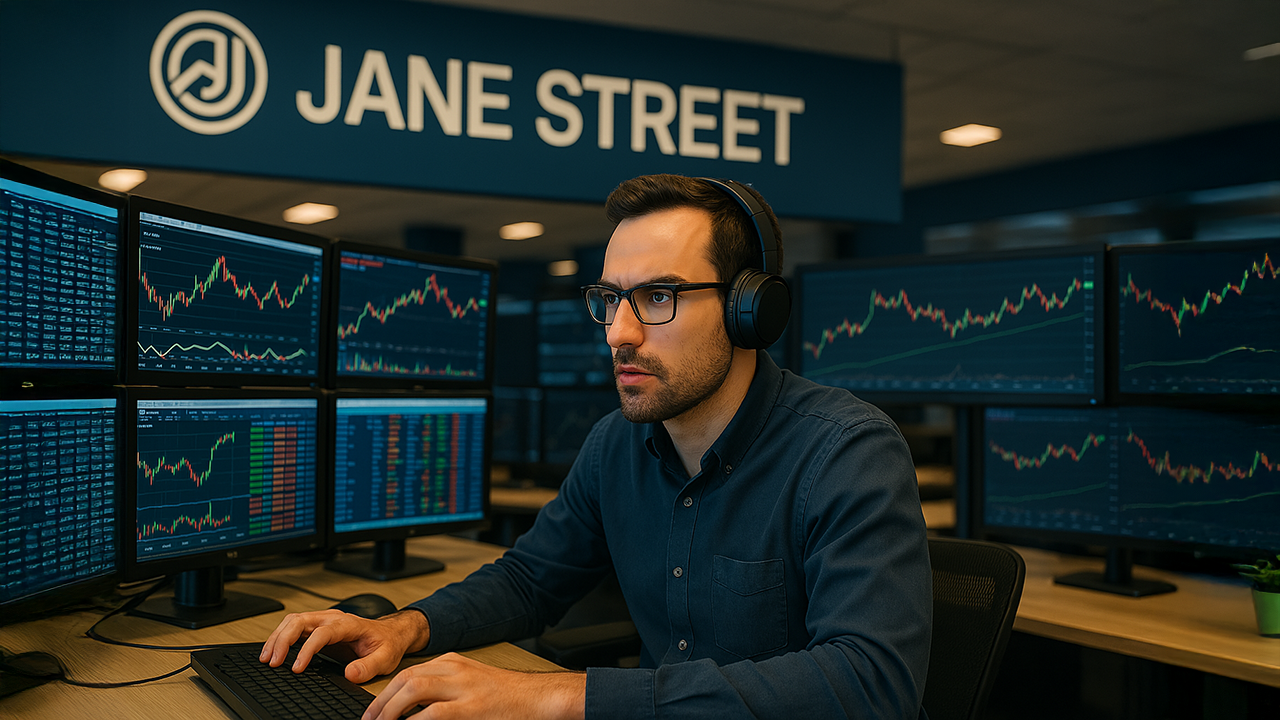
Introduction: Market Dynamics and Recent Developments
The stock market often reflects a complex interplay of various factors such as regulatory changes, institutional activities, and geopolitical events. Recently, the financial landscape has experienced turbulence, marked by a significant decline in the Futures & Options (F&O) turnover—down by 21%. This decline has been closely linked to the market’s reaction to the ban imposed on Jane Street, a prominent global trading firm, by Indian regulators. The ripple effects of this action have not only affected individual traders but also reshaped the overall market sentiment.
The Significance of F&O Turnover](#)
F&O derivatives are vital instruments reflecting trader sentiment and liquidity in the equity markets. A healthy turnover indicates active participation, which in turn fosters liquidity and price discovery. Conversely, a sharp decline suggests wariness among traders, reduced trading activity, or a shift in investment strategies.
In the recent context, a 21% drop in F&O turnover signifies a notable reduction in market activity, raising questions about investor confidence and the underlying reasons behind this trend. As markets gauge the implications of regulatory actions like the Jane Street ban, traders and institutional investors tend to adopt cautious approaches.
Understanding the Impact of the Jane Street Ban](#)
Jane Street, known for its sophisticated trading strategies and high-volume activities, has a significant role in global markets. The ban imposed by Indian authorities aimed to curb speculative excesses or address concerns related to market integrity. However, such measures often have wider repercussions, especially on the liquidity and volatility of the market.
The immediate effect was a visible contraction in trading volumes, as institutional participants and retail traders alike responded to the uncertainty. The ban’s announcement created a cautious environment, with many market players reducing their exposures or placing new trades more conservatively.
This drop in activity underscores how sensitive markets are to regulatory interventions. The impact extends beyond just Jane Street’s involvement, influencing overall trader behavior and investor sentiment.
Market Participants React: Short-term and Long-term Perspectives](#)
- Retail Traders: Many retail investors, who often rely on F&O instruments for hedging or speculative gains, became more risk-averse. As a result, trading volumes declined sharply, leading to lower turnover.
- Institutional Investors: Large funds and trading firms began reassessing their positions, leading to reduced activity and caution in executing large trades. Some institutions temporarily slowed down their market operations, awaiting clarity on the regulatory landscape.
- Market Analysts: Experts believe that while short-term decline is evident, the market could witness a recovery once clarity and stability return. Nonetheless, the current scenario underlines the importance of robust risk management practices.
Historical Context and Similar Incidents](#)
Market reactions to regulatory bans aren’t new. Historically, similar actions—whether targeting high-frequency trading firms or speculative traders—have resulted in short-term liquidity crunches. However, markets tend to adapt over time, restoring stability once participants recalibrate their strategies.
For example, in previous instances where regulatory crackdowns affected major trading firms, initial declines in trading volume were observed. Over weeks or months, the markets adjusted, often with an improvement in overall health and investor confidence once the regulatory issues stabilized.
The current situation with Jane Street resembles these past episodes, highlighting the need for patience and strategic adjustment by market participants.
Potential Long-term Consequences and Opportunities](#)
Long-term decline in F&O turnover could signal a shift towards more cautious trading paradigms, possibly reducing market volatility over time. Conversely, it might also lead to decreased liquidity, which could elevate risk for traders and investors.
However, this scenario opens doors for other trading firms and institutional players to step in, filling the liquidity gap. Also, increased regulatory oversight could lead to more transparent and stable market practices, attracting long-term investors.
Additionally, traders might explore alternative strategies, such as derivatives outside the F&O segment or diversify into other asset classes, to mitigate risks associated with such regulatory shocks.
What does this mean for retail investors?
- Reduced Volatility: Lower trading volumes may lead to less dramatic price swings in the short term.
- Market Caution: Retail investors should stay informed and adopt prudent strategies, avoiding speculative excesses during uncertain times.
- Focus on Fundamentals: Emphasizing fundamental analysis over speculative trading can help in weathering market fluctuations.
Conclusion: Navigating Uncertain Waters](#)
The recent 21% decline in F&O turnover amidst the ripple effects of the Jane Street ban underscores the fragile nature of market liquidity and trader confidence. While regulatory interventions are crucial for maintaining market integrity, their immediate impact often leads to uncertainty and cautious trading behavior.
Market participants need to stay alert, adapt their strategies, and look for emerging opportunities during such turbulent phases. While short-term challenges are evident, clear policies and gradual market adjustments can pave the way for a more resilient trading environment in the future.
As always, informed decision-making, risk management, and patience remain essential virtues for investors navigating this evolving landscape.
For more updated news please keep visiting Hourly Prime News.