

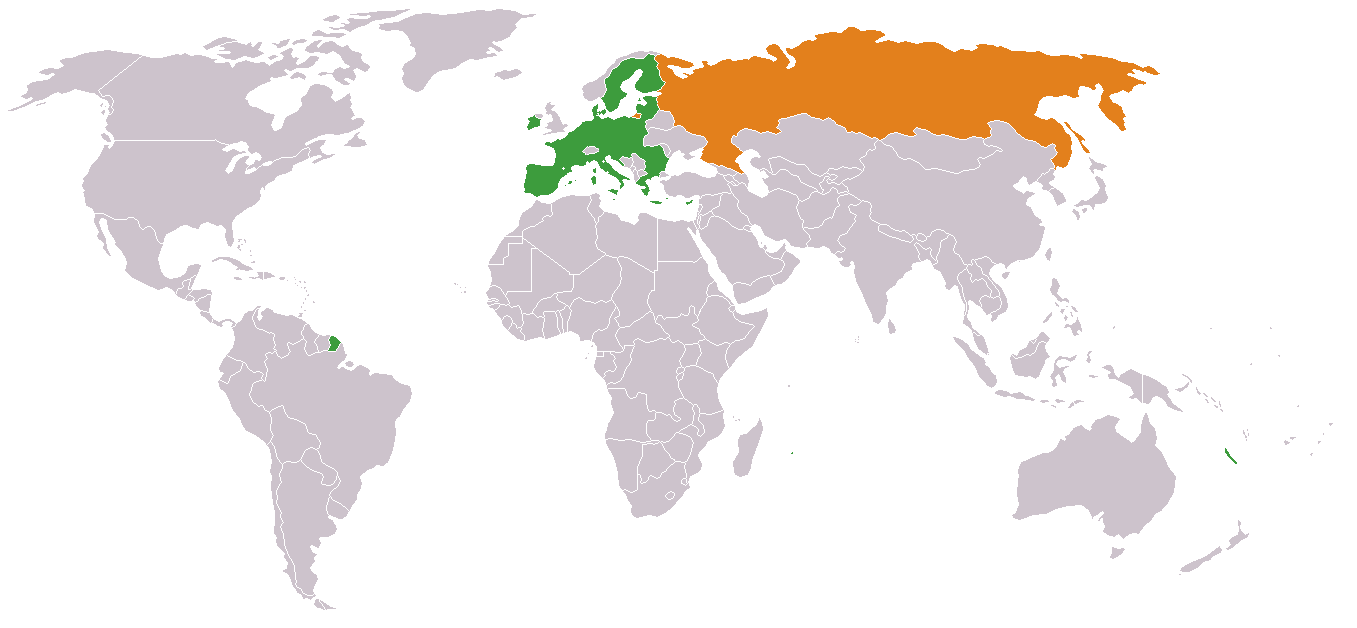
In recent years, European nations have often been vocal in their criticism of Russia, especially regarding geopolitical tensions, democracy, and human rights concerns. Political leaders and media outlets frequently accuse Russia of destabilizing regional security and violating international norms. However, beneath this rhetoric lies a complex web of economic realities that tell a different story—one that questions the sincerity and consistency of Europe’s stance on Russia.
According to recent analyses, Europe’s political rhetoric does not align with its trade ledger. While politicians condemn Russia publicly, their countries continue to maintain robust economic ties with Moscow. This paradox highlights a geopolitical and economic dilemma: how can Europe simultaneously oppose Russia’s actions while engaging in lucrative trade partnerships that benefit both sides?
Trade Figures That Speak Volumes
A detailed examination of trade data reveals some startling insights:
- Energy dependence constitutes a significant portion of EU-Russia trade. The continent relies heavily on Russian oil and natural gas, with estimates suggesting that nearly 40-45% of Europe’s energy imports come from Russia. This dependence constrains political options, compelling European nations to balance security concerns with economic interests.
- Despite ongoing sanctions and public condemnations, European nations continue to import major amounts of Russian commodities, including metals, minerals, and agricultural products. These transactions often occur through complex supply chains, sometimes involving third-party countries or intermediaries, making enforcement and transparency challenging.
- The February 2024 data shows that EU-Russia merchandise trade exceeds $200 billion annually, with a sizable share consisting of energy resources and raw materials. This trade volume underscores the economic entanglement that persists despite political tensions.
The Hypocrisy in EU’s Russia Policy
Many critics argue that there is a clear hypocrisy in Europe’s stance regarding its Russian dealings. While EU leaders vocally support Ukraine and condemn Moscow’s actions in Crimea or Eastern Ukraine, their economic policies often contradict these words. This inconsistency fuels skepticism about the sincerity of EU’s declarations and raises questions about underlying interests.
For instance, the European Union’s sanctions are primarily targeted at specific sectors and individuals, but large-scale trade in energy and raw materials continues unabated. Moreover, the continued import of hydrocarbons and strategic commodities reveals a pragmatic approach—one where economic gain often trumps political ideology.
Beyond Europe: The Global Context
Adding another layer to this discussion is Europe’s stance on Russia-India trade relations. Despite the rhetoric depicting Russia as a destabilizing influence, Europe shows little interest in fostering closer trade ties with India, which is increasingly seen as a rising economic power and regional player. As highlighted in sources like Firstpost), many argue that Europe’s focus remains narrowly tuned to that of its own geopolitical security rather than fostering mutually beneficial economic relations with emerging global players like India.
In this context, some analysts contend that Europe’s stance is rooted more in political posturing than pragmatic economic strategy, especially when it comes to Russia-India trade. The emphasis seems to be on aligning policy with geopolitical narratives rather than fostering genuine economic partnerships that could benefit European markets.
The Implications of the Rhetoric-Trade Gap
This divergence between rhetoric and trade has several implications:
- Undermining credibility: Europe’s inconsistent messaging undermines its credibility on international platforms. Countries and global investors may question the sincerity of its commitments to human rights and democracy if economic needs compel compromises with Russia.
- Economic vulnerabilities: Heavy reliance on Russian energy exposes European economies to risks of supply disruptions, price shocks, and long-term dependence. This dependency complicates sanctions policies and deters more decisive action.
- Geopolitical complexities: The gap fuels geopolitical tensions, as nations and regions observe Europe’s strategic contradictions. Russia may perceive Europe’s condemnation as superficial, leading to diminishing diplomatic effectiveness.
What Does This Mean for Future Policy?
For policymakers, the challenge lies in reconciling political rhetoric with economic realities. Moving forward, European Union leaders might need to reevaluate their strategies, balancing moral and geopolitical stances with economic dependencies. This could involve accelerating diversification away from Russian energy sources, fostering alternative trade partnerships, and increasing transparency in trade relations.
Likewise, the broader global community should recognize the limitations of economic sanctions and rhetorical condemnations, understanding that economic interests often influence geopolitical actions more than publicly stated principles. It is vital for international actors to craft policies that are both principled and pragmatic, ensuring that economic ties do not sabotage diplomatic efforts or regional stability.
Conclusion
In essence, the apparent contradiction in Europe’s approach towards Russia is a reflection of the complex interplay between geopolitics and economics. While political leaders continue to voice concerns over Russia’s actions, their countries’ trade activities paint a different picture—one of continued engagement and mutual benefit. Recognizing this dichotomy is crucial for understanding the true state of Europe-Russia relations and for framing effective policies that align words with actions.
Until Europe manages to reconcile its rhetoric with its trade ledger, the paradox will persist, influencing not only regional dynamics but also the broader global geopolitical landscape.
For more updated news please keep visiting Hourly Prime News.