

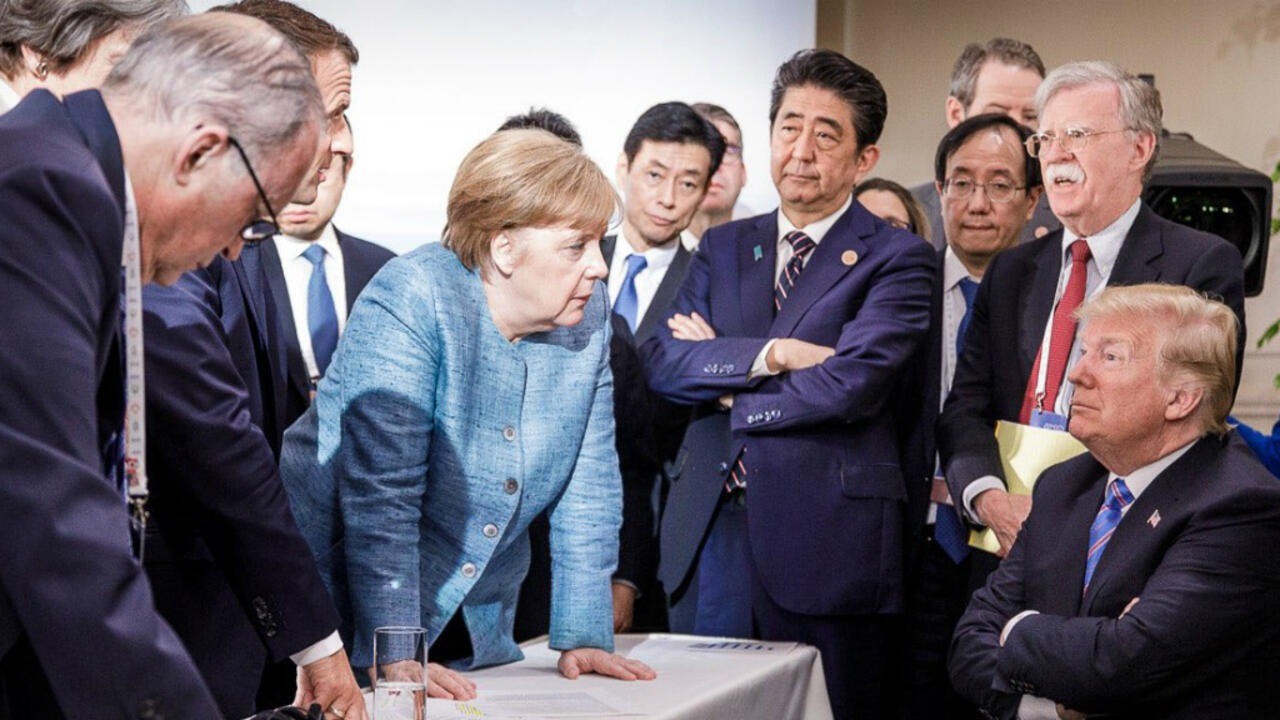
The global automotive industry stands at a crossroads amidst evolving trade dynamics, and recent developments in U.S.-Europe relations have sparked considerable interest among European automakers. While hopes for a more stable trade environment have been voiced, the reactions among European car manufacturers have been notably cautious. Their responses illustrate a mix of optimism tempered with prudence — a recognition of the potential benefits intertwined with uncertainties that could influence their strategic planning in the near future.
Overview of the U.S.-Europe Trade Deal and Industry Responses
The recent trade negotiations between the United States and Europe aimed to streamline tariffs, reduce trade barriers, and foster economic cooperation. For the automotive sector, such agreements could potentially ease the traditional friction points—tariffs on vehicles and auto parts, regulatory divergences, and import-export complications. Wards Auto highlighted that these initial reactions from Europe’s automakers have been measured, showcasing a “wait-and-see” attitude as stakeholders analyze the long-term implications.
What Are the Key Components of the Deal?
- Tariff Reductions: Expected reduction in tariffs that could lower manufacturing costs and improve competitiveness.
- Regulatory Compatibility: Potential harmonization of standards to facilitate cross-border trade.
- Trade Barriers: Reduction or elimination of non-tariff barriers affecting vehicle imports and exports.
- Intellectual Property and Innovation: Strengthening protections that foster innovation and collaboration across borders.
Why Are European Automakers Responding Cautiously?
Although the prospects of tariff reductions and regulatory harmonization seem promising, European manufacturers remain cautious due to multiple underlying concerns:
Uncertainty Around Implementation
Trade agreements are complex and often face challenges during implementation. Automakers worry that political shifts or renegotiations could jeopardize these arrangements, leading to renewed tariffs or restrictions.
Impact on Manufacturing and Supply Chains
The automotive industry heavily relies on global supply chains, especially across the Atlantic. Changes in tariffs or customs procedures could disrupt production lines and increase costs, affecting competitiveness and profitability.
Regulatory Divergences and Standards
Despite hopes for harmonization, differences in environmental regulations, safety standards, and testing protocols between Europe and the U.S. may continue to pose challenges.
Market Dynamics and Consumer Preferences
European automakers are cautious about immediate market impacts. Fluctuations in import/export dynamics could alter consumer preferences, especially in key markets like the U.S. and Europe, influencing future sales and strategic focus.
Potential Benefits for European Automakers
If the trade deal holds and is effectively implemented, European car manufacturers could enjoy several advantages:
- Cost Reduction: Lower tariffs could reduce manufacturing and import costs, enabling competitive pricing in the U.S. market.
- Market Expansion: Easier access to the U.S. market could translate into increased sales volumes.
- Innovation and Collaboration: Regulatory harmonization might promote joint ventures, technology sharing, and faster innovation cycles.
- Supply Chain Efficiency: Streamlined customs procedures could lead to more efficient logistics and inventory management.
Concerns and Challenges to Overcome
Despite potential benefits, several hurdles remain that could temper optimism:
- Political Instability: Evolving political landscapes in both regions might threaten the stability of the agreement.
- Protectionism: Rising trends of protectionism or unilateral policies could undermine the deal’s intentions.
- Environmental Regulations: Divergence in climate policies and emissions standards could hinder full harmonization.
- Global Competition: Other players, including Asian automakers, explore their markets, which could influence European firms’ strategies regardless of U.S.-Europe agreements.
European Automakers’ Strategic Responses
欧洲的汽车制造商采取了一系列策略,以应对潜在的变数:
- Enhancing Local Production: Strengthening manufacturing facilities within Europe to mitigate risks related to trade disruptions.
- Diversifying Markets: Expanding presence in Asia, Latin America, and other regions to reduce dependency on U.S. and European markets alone.
- Investing in Innovation: Accelerating research and development, especially in electric and autonomous vehicles, to maintain a competitive edge regardless of trade conditions.
- Building Strategic Alliances: Collaborating with U.S. firms for joint ventures or technology sharing to capitalize on the evolving trade environment.
Looking Ahead: The Road to Stability
While the initial reactions from Europe’s automakers reflect a cautious optimism, their long-term strategies depend heavily on the actual execution of the U.S.-Europe trade agreement and subsequent policy developments. The automotive industry will continue to monitor geopolitical signals, changing regulations, and market trends to adapt accordingly.
Conclusion
In sum, Europe’s automakers recognize the potential advantages of the U.S.-Europe trade deal but remain prudent given the complexities and uncertainties involved. Their cautious yet strategic approach underscores the importance of flexibility and foresight in navigating the global automotive landscape amidst shifting trade dynamics.
As the situation unfolds, it will be compelling to observe how these manufacturers balance their immediate cautious responses with longer-term strategic commitments to thrive in an increasingly interconnected world.
For more updated news please keep visiting Hourly Prime News.