

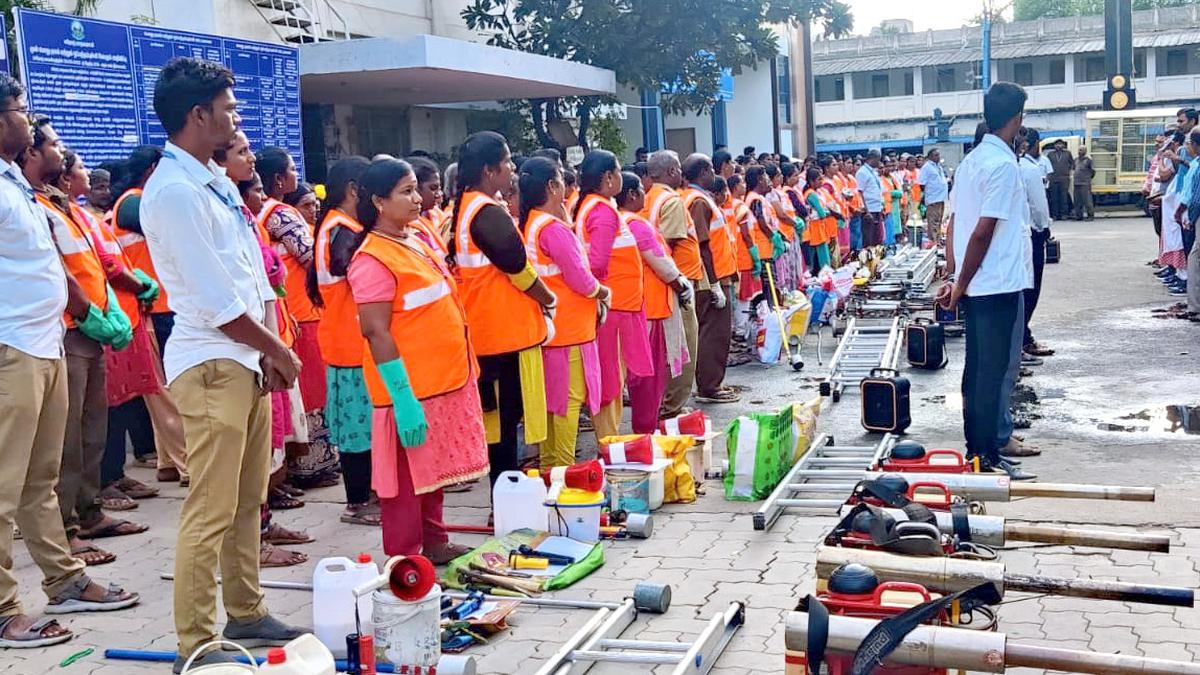
As the North-East monsoon approaches, authorities in Erode have taken significant steps to reinforce their fight against the dreaded dengue fever, a mosquito-borne viral disease that becomes particularly prevalent during monsoon seasons. Recognizing the heightened risk during this period, Erode Corporation has launched an expanded and intensified anti-dengue campaign designed to curb the breeding of Aedes aegypti mosquitoes, which are the primary carriers of the virus. This proactive approach not only aims to protect residents but also sets an example for neighboring regions to adopt comprehensive vector control strategies.
The Need for an Enhanced Campaign Ahead of Monsoon
Why the Focus on Prevention Before the Monsoon?
The monsoon season, especially the North-East phase, creates ideal breeding conditions for mosquitoes due to stagnant water accumulated in containers, drains, and open areas. The increased humidity and water logging serve as fertile grounds for mosquito larvae to flourish. Consequently, the chances of dengue outbreaks soar during this time, posing serious health risks and adding burden to local healthcare infrastructure.
Understanding these dynamics, Erode Corporation is committed to preventive action rather than reactive measures. The campaign’s core objective is to eliminate mosquito breeding sites at the grassroots level through rigorous surveillance, public awareness, and targeted extermination drives.
Key Components of the Anti-Dengue Drive
1. Intensive Source Reduction and Cleanup Drives
- Systematic inspection of residential, commercial, and public spaces to identify and eliminate potential breeding sites, including stagnant water in flower pots, discarded tires, empty containers, blocked drains, and open water tanks.
- Deployment of dedicated teams equipped with spraying equipment and larvicides to treat standing water bodies that cannot be eliminated immediately.
- Collaboration with local residents and community groups to promote clean-up drives and reinforce personal responsibility.
2. Public Awareness and Education Campaigns
- Dissemination of information through leaflets, banners, and local media emphasizing the importance of maintaining cleanliness and preventing mosquito breeding.
- Educational programs in schools and community centers to make citizens aware of how dengue spreads and prevention methods they can adopt daily.
- Engagement of local leaders and influencers to amplify the message and encourage community participation.
3. Enhanced Surveillance and Monitoring
- Use of modern mapping technologies by health officials to monitor mosquito breeding hotspots and focus efforts accordingly.
- Regular feedback and reporting mechanisms to track the progress of the campaign and address emerging issues swiftly.
- Coordination with health departments to ensure prompt diagnosis and treatment for dengue cases, minimizing fatalities and severe health impacts.
Strategic Partnership and Community Involvement
A core pillar of this campaign is community involvement. Erode Corporation recognizes that sustainable vector control depends on the active participation of residents. To facilitate this, the government has partnered with local NGOs, civic organizations, and residents’ associations who serve as frontline agents in the fight against dengue.
Furthermore, deploying volunteers across neighborhoods during the preparatory phase helps in two ways: swift identification of breeding sites and fostering a sense of collective responsibility. This participatory approach ensures that the measures taken are both effective and well-maintained over time.
Anticipated Challenges and How Erode is Addressing Them
Addressing Water Logging and Waste Management Issues
One of the significant hurdles in dengue prevention is managing water logging caused by inadequate drainage infrastructure, especially during heavy rains. Erode Corporation has taken steps to unclog drains, repair broken pipelines, and ensure proper waste disposal to prevent water stagnation.
Overcoming Public Apathy
Another challenge is community apathy towards sanitation. To combat this, extensive awareness campaigns seek to motivate residents to actively participate in source reduction, maintain clean surroundings, and report potential breeding sites promptly.
Ensuring Adequate Resources
The campaign also focuses on mobilizing sufficient resources—be it manpower, larvicides, or awareness materials—to sustain efforts throughout the monsoon period. Regular training sessions are held for field staff to optimize effectiveness.
Impact and Future Outlook
The initial reports from Erode indicate promising results, with a marked decline in mosquito breeding sites and increased public participation. If sustained, this campaign is expected to significantly lower the incidence of dengue during and after the monsoon season.
This initiative underscores the importance of early intervention, community engagement, and integrated vector management to control mosquito-borne diseases comprehensively. Lessons learned here can serve as models for other districts vulnerable to vector-borne diseases, especially in the context of climate change impacting rainfall and disease patterns.
Conclusion
Erode Corporation’s proactive stance in launching an enhanced anti-dengue campaign before the North-East monsoon exemplifies responsible governance and public health foresight. The campaign’s success hinges on the combined efforts of government agencies, local communities, and individual citizens. With continued vigilance, education, and concerted action, Erode aims to keep its residents safe from dengue outbreaks this monsoon season and build resilient systems for future years.
Preventive action today paves the way for healthier tomorrow. It is a collective responsibility to maintain cleanliness, eliminate breeding sites, and keep our environment safe from vector-borne threats.
For more updated news please keep visiting Hourly Prime News.