

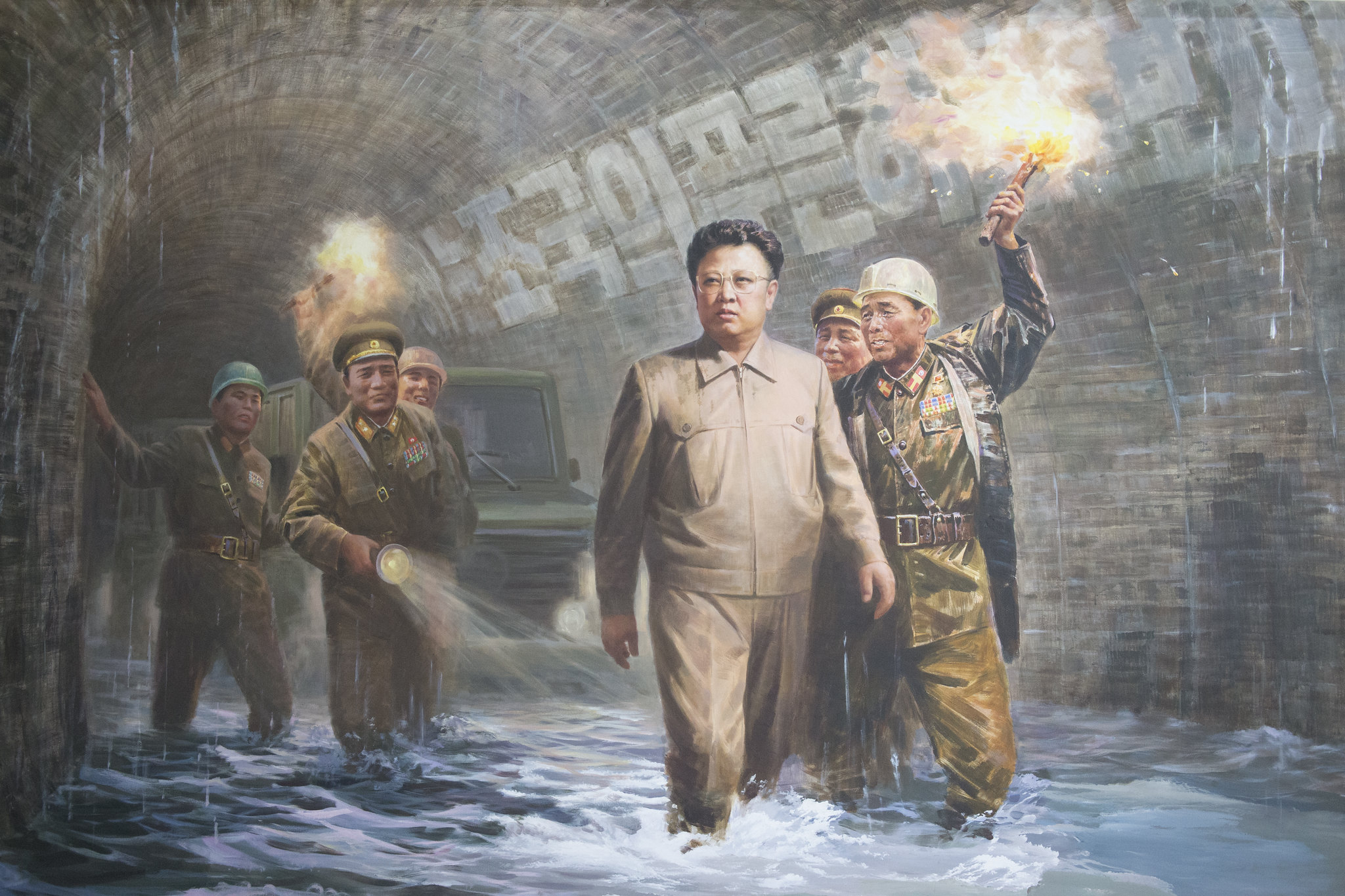
North Korea, a nation long shrouded in secrecy and isolation, has predominantly been characterized by its strict political regime and secluded society. However, recent revelations by Elizabeth Campbell shed light on a lesser-known facet of the country: its covert fascination with Hollywood and the pursuit of cinematic excellence. Although the regime’s primary focus has been on propagating its ideology, evidence suggests that North Korea harbors ambitious aspirations to develop its own film industry, echoing the glitz and glamour of Hollywood. This article explores Elizabeth Campbell’s in-depth analysis of North Korea’s clandestine Hollywood dreams, revealing a complex interplay of cultural ambition, political control, and creative aspiration.
Elizabeth Campbell’s Investigative Insights
Behind-the-Scenes of North Korea’s Film Industry
Elizabeth Campbell, a renowned journalist with an expertise in secretive societies and authoritarian regimes, has provided compelling insights into North Korea’s covert efforts to establish a cinematic presence reminiscent of Hollywood. Her investigative reports indicate that North Korea has been quietly investing in film production, training artists, and even establishing underground networks designed to foster a film industry that aligns with its ideological narrative yet aspires to cinematic grandeur.
Campbell’s research reveals that despite international sanctions and strict governmental control, North Korea has managed to develop a burgeoning film scene aimed at both domestic audiences and, potentially, international viewers—if they can circumvent global restrictions. This clandestine industry is characterized by **a limited number of professional filmmakers, secretive studio facilities, and carefully curated film festivals** designed to showcase North Korean films to political elites and select abroad audiences.
The Cultural Significance of Cinema in North Korea
North Korea’s government recognizes the power of visual storytelling as a means of ideological reinforcement and national pride. Officially, the regime promotes films that depict heroic narratives, revolutionary history, and the valorization of its leaders. However, behind the scenes, there’s evidence that North Korea is eager to incorporate Hollywood-style techniques, special effects, and storytelling methods, all within a tightly controlled framework.
Elizabeth Campbell emphasizes that North Korea’s obsession with merging propaganda with entertainment is not merely about messaging but also about fostering a sense of cultural sophistication. Developing a Hollywood-style film industry could serve multiple agendas:
– **Enhancing national pride** through cinematic achievements
– **Creating cultural exchange opportunities** with select foreign entities
– **Potentially exporting North Korean culture** as a form of soft power
The Hidden Hollywood Dreams: Aspirations and Challenges
The Dream of Cinematic Excellence
Despite the barriers, Campbell reports that North Korea aspires to produce films with high production values comparable to Hollywood standards. There have been whispers of initiatives to recruit talented filmmakers and technicians, some of whom are believed to have had covert training outside the country. These efforts are purpose-driven, aimed at elevating the country’s cinematic output to appeal beyond its borders, challenging the portrayal of North Korea solely as a repressive regime.
Some of the key elements fueling these aspirations include:
– **Investment in film equipment and technology**
– **Training programs for aspiring filmmakers and actors**
– **Establishment of underground studios capable of producing sophisticated films**
Yet, these endeavors face significant obstacles. The country’s economic isolation limits access to advanced technology, and strict government oversight significantly constrains creative expression. The tension between artistic freedom and political indoctrination creates a unique environment where Hollywood-inspired ambitions are carefully curated and controlled.
Overcoming Isolation: Collaborations and Co-Productions
Interestingly, Campbell notes that North Korea has shown faint interest in international collaborations. While outright partnerships are rare, there have been rumors of secret dealings with foreign filmmakers, possibly arranged through third-party intermediaries. These covert collaborations may facilitate access to technology, international cinematic techniques, and even inspire North Korea’s own filmmakers to push creative boundaries.
Furthermore, North Korea’s government has periodically organized cultural exchanges and film festivals that, while propagandistic, hint at a desire to demonstrate its evolving cinematic ambitions to the outside world. These events serve as a platform for showcasing North Korea’s cinematic progress, containing subtle messages about its cultural sophistication and resilience.
The Political & Cultural Implications
Cinema as a Tool for Propaganda and Soft Power
As Campbell highlights, North Korea’s cinematic pursuits are deeply intertwined with political objectives. Films are meticulously crafted to reinforce loyalty, glorify the regime, and promote the North Korean way of life. Hollywood-style techniques, when integrated properly, can make propaganda more engaging and persuasive, effectively shaping perceptions both domestically and abroad.
By recognizable Hollywood tropes—heroic protagonists, dramatic cinematography, and compelling storytelling—North Korea seeks to craft films that resonate on a universal level, potentially opening pathways to cultural diplomacy. However, this is a delicate balancing act; excessive western influence could threaten regime stability if perceived as undermining ideological purity.
Potential for Cultural Transformation
Campbell suggests that if North Korea continues to invest in its film industry, there could be a cultural transformation within the country—an evolution of artistic expression that transcends mere propaganda and becomes a legitimate form of cultural identity. This development could lead to:
– **More nuanced storytelling, blending ideology with human stories**
– **A new generation of filmmakers seeking artistic independence**
– **Perhaps, in time, a softening of the country’s image on the global stage**
Nevertheless, such changes are likely to remain tightly controlled and highly scripted, with the regime retaining ultimate authority over cinematic content.
Conclusion: An Ambitious, If Secretive, Pursuit
Elizabeth Campbell’s investigations shed new light on North Korea’s clandestine aspirations to emulate Hollywood’s cinematic glamour while maintaining its ideological dominance. From underground film studios to secret training camps, the country is quietly cultivating a film industry that, if fully realized, could challenge its international image and serve as a tool for soft power.
Though significant hurdles remain—economic sanctions, technological limitations, and ideological strictures—the persistent drive to develop Hollywood-style cinema illustrates a complex side of North Korea that is often hidden from the global eye. Whether these efforts will bear fruit or remain confined to secretive projects, they underscore the regime’s desire to shape culture, perception, and perhaps even history itself through the magic of cinema.
Final Thoughts
North Korea’s Hollywood dreams may seem distant and fraught with challenges, but they reflect a broader narrative of cultural ambition. Despite decades of isolation, the country’s desire to craft compelling narratives using cinematic techniques mirrors a universal pursuit for artistic expression and international recognition. Elizabeth Campbell’s insights prompt us to reevaluate our assumptions about North Korea—not just as a militarized state but as a society eager to tell its story through the powerful medium of film.
For more updated news please keep visiting Hourly Prime News.