

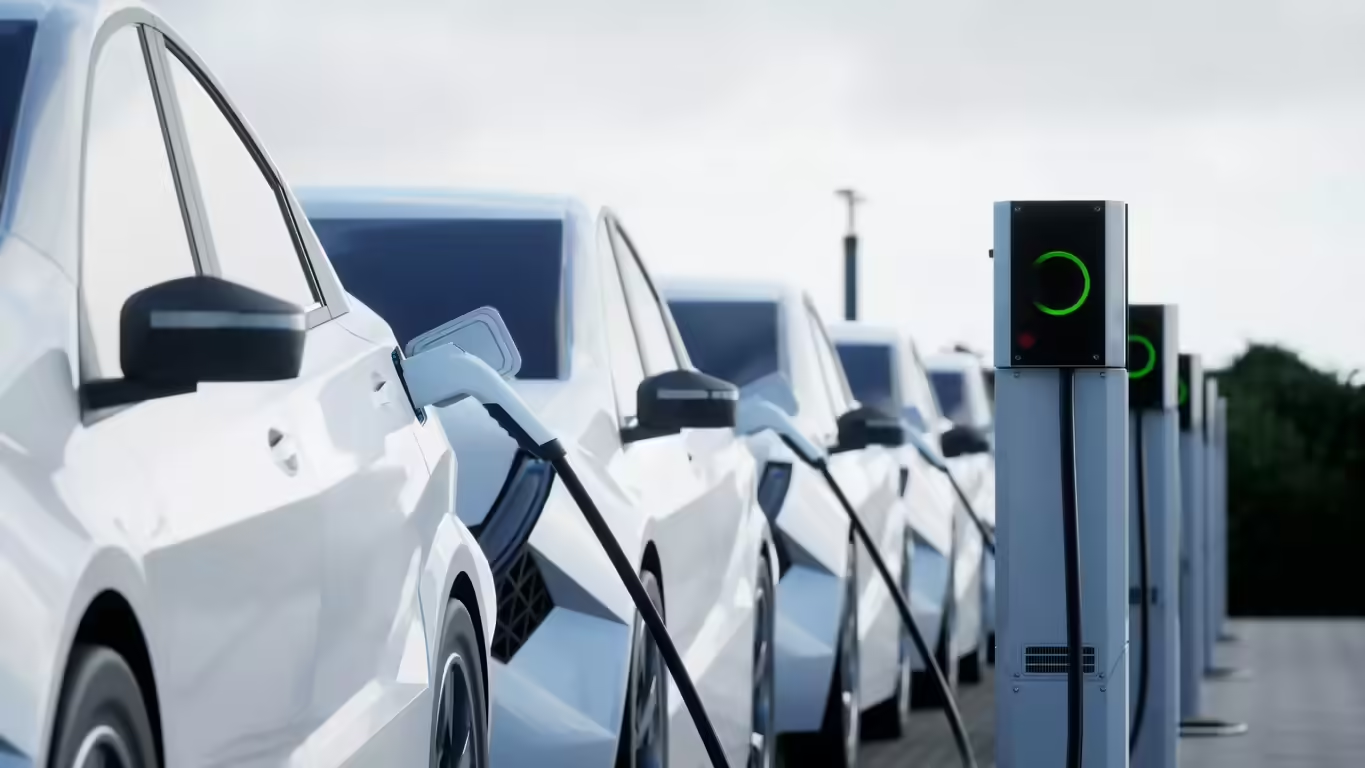
The automotive industry is experiencing a profound transformation, driven by technological advancements, environmental concerns, and shifting consumer preferences. Recent reports by the International Energy Agency (IEA) underscore this rapid evolution, revealing a dramatic surge in electric vehicle (EV) sales alongside a significant decline in traditional internal combustion engine (ICE) models. This shift not only signals a paradigm change but also marks the beginning of a new era where sustainable mobility takes center stage.
The Rise of Electric Vehicles: An Industry-Wide Phenomenon
The global push toward electrification is evident through the exponential growth of electric vehicle sales in recent years. According to the IEA, EV sales have soared to unprecedented levels, allowing them to capture a substantial share of the automotive market. Several factors are fueling this trend:
- Government Policies and Incentives: Many countries are implementing stricter emission regulations, offering subsidies, and establishing infrastructure for electric charging stations, making EVs more accessible and appealing to consumers.
- Technological Innovations: Battery technologies have improved significantly, leading to longer driving ranges and shorter charging times, thereby addressing traditional EV limitations.
- Consumer Awareness and Environmental Consciousness: As public awareness of climate change and air pollution increases, consumers are increasingly opting for eco-friendly transportation alternatives.
- Automaker Commitments: Major automotive companies are making substantial investments in electric vehicle development, announcing plans to phase out internal combustion engines over the next decade.
The Decline of Internal Combustion Engine Vehicles
Contrasting sharply with the rise of EVs, traditional ICE vehicles are experiencing a decline, with a reported drop of nearly 30% in sales within recent periods. This decline highlights a significant shift in consumer preferences and regulatory landscapes. Several intertwined factors contribute to this downward trend:
- Environmental Regulations: Governments worldwide are imposing stringent emission standards, making it increasingly challenging and costly to produce and operate ICE vehicles.
- Fuel Prices and Economic Factors: Fluctuating fuel prices and rising maintenance costs for ICE vehicles incentivize consumers to switch to electric alternatives.
- Market Saturation and Obsolescence: As electric vehicles become more prevalent and affordable, traditional models face obsolescence, particularly among new vehicle buyers.
- Consumer Shift to Sustainable Choices: The perception of EVs as cleaner and more innovative is changing market dynamics in favor of electric alternatives.
The Impacts of This Industry Shift
The ongoing decline of ICE vehicles and the surge in electric car sales have broad implications:
Environmental and Public Health Benefits
Transitioning from fossil-fuel-powered vehicles to electric ones can substantially reduce greenhouse gas emissions and improve urban air quality, directly impacting public health and climate change mitigation efforts.
Economic Realignment
The automotive supply chain is adapting to this shift, with increased demand for battery manufacturing, electric drivetrains, and charging infrastructure. Car manufacturers are reallocating investments toward electric models, fostering a new wave of innovation and job creation.
Market Dynamics and Consumer Behavior
As electric vehicles become more mainstream, consumer expectations are evolving. Range anxiety is diminishing, and EVs are emerging as the standard choice rather than an alternative.
Future Outlook: A Sustainable Path Forward
The trend indicated by recent data suggests that the decline in ICE vehicles is likely to accelerate in the coming years. Major automakers have announced ambitious plans to transition their fleets entirely to electric by 2030 or 2035, aligning with global climate goals. Governments are also setting timelines to ban the sale of new internal combustion engine vehicles, further reinforcing this trajectory.
Key projections include:
- Electric vehicles making up over 50% of new car sales globally by the mid-2020s
- Complete phase-out of new ICE vehicle sales in several countries within the next decade
- Expansion of charging infrastructure to support the growing EV fleet
- Continued technological advancements leading to more affordable and efficient electric cars
Conclusion: Embracing the Electric Revolution
The automotive landscape is undergoing a profound transformation. The recent report by the IEA clearly highlights the rapid adoption of electric vehicles juxtaposed with a sharp decline in traditional internal combustion engine models. While challenges remain—such as battery production, supply chain issues, and infrastructure development—the momentum toward a sustainable, electric-powered future is unmistakable.
This shift signifies more than just a change in technology; it represents a collective movement toward reducing our carbon footprint and embracing innovative solutions for transportation. For consumers, policymakers, and industry stakeholders alike, the message is clear: the future of mobility is electric.
For more updated news please keep visiting Hourly Prime News.