

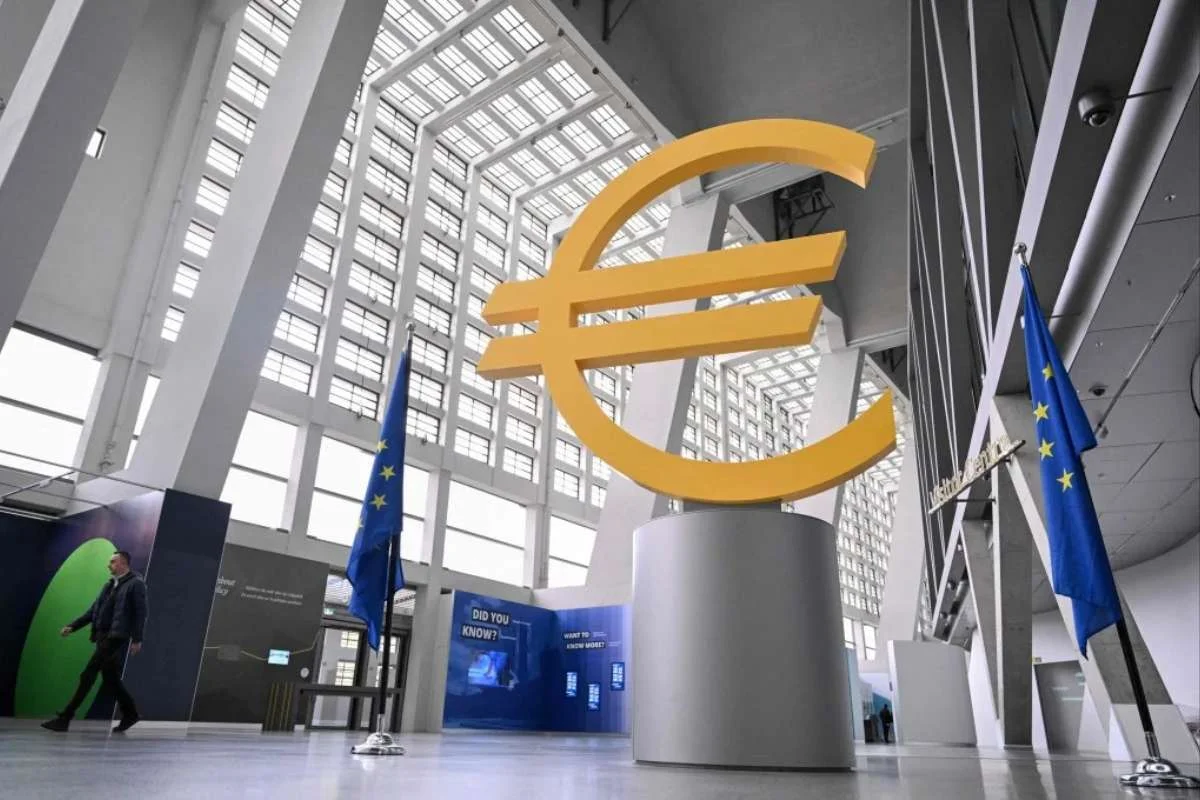
The European Central Bank (ECB) has announced that it will maintain its current interest rates, signaling a cautious approach amidst ongoing trade tensions and widespread market anticipation. This decision underscores the ECB’s strategic stance to wait for more clarity on the trade front before making significant monetary changes.
Context Behind the Rate Hold Decision
In recent weeks, global financial markets have been rife with uncertainty stemming from unpredictable trade policies, tariffs, and diplomatic negotiations. The ECB, observing these developments closely, opted to keep interest rates unchanged, reflecting their preference for patience and data-driven policymaking.
According to reports, the ECB is deliberately holding off on rate adjustments until it gains a clearer understanding of the potential impact of recent trade conflicts, particularly those involving major economies such as the United States and China. The central bank’s cautious approach aims to prevent exacerbating economic volatility while safeguarding the eurozone’s economic recovery trajectory.
Market Implications of the ECB’s Decision
- Market Reactions: Following the announcement, the euro experienced a dip against major currencies, reflecting investor apprehensions about the potential fallout from unresolved trade issues.
- Investor Sentiment: Financial analysts interpret the pause as a sign that the ECB is likely to remain on the sidelines until more concrete trade policy developments unfold, leading to increased market volatility in the near term.
- Interest Rate Outlook: Economists speculate that, given the current trade climate, the ECB may hold rates steady for an extended period, awaiting clearer signals before contemplating any hikes or cuts.
Global Economic Factors Influencing ECB’s Stand
The global economic landscape remains fragile, with particular concern over tariffs and trade barriers disrupting supply chains and investment flows. The ongoing trade spat has created a ripple effect, leading central banks worldwide, including the Federal Reserve and Bank of England, to pause or adopt dovish stances.
In particular, the ECB is mindful of the possibility that an escalation in tariffs could lead to slower economic growth across Europe, influencing their decision to maintain accommodative policies. Moreover, inflationary pressures remain subdued, giving the ECB flexibility to delay rate changes until the economic outlook clarifies.
What Does This Mean for the Euro and European Markets?
The immediate market response saw the euro depreciate slightly after the rate announcement, indicating investor caution. Traders and investors are now closely watching trade negotiations and geopolitical developments for cues on future monetary policy directions.
Financial commentators suggest that if trade tensions persist without resolution, the ECB might consider new supportive measures rather than rate hikes, which could include asset purchases or targeted lending programs. Such measures aim to bolster economic growth while avoiding the pitfalls of tightening monetary policy during uncertain times.
Potential Future Actions by the ECB
- Monitoring Trade Developments: The ECB will continue to assess the impact of global trade policies on European economic growth and inflation.
- Adjusting Policies Based on Data: Any future rate decisions will be heavily data-dependent, especially on trade-related indicators and inflation figures.
- Coordination with Global Central Banks: The ECB remains part of a broader global central banking community, adjusting its stance in coordination with other major institutions like the Federal Reserve and the Bank of Japan.
Comparative Overview with Other Central Banks
Interestingly, the ECB’s decision aligns with that of other leading central banks that also opted to pause rate adjustments recently. For example, the Federal Reserve, under Jerome Powell, has kept interest rates on hold, citing similar trade-related uncertainties.
This synchronized pause by global monetary authorities underscores the widespread concern over unresolved trade tensions and their capacity to dampen economic growth. It also highlights a global shift toward caution amidst turbulent geopolitical waters.
The Road Ahead
The ECB’s decision to hold rates steady suggests a period of watchful waiting. Stakeholders are advised to stay attentive to upcoming economic data releases, trade negotiations, and geopolitical developments that could influence the ECB’s future monetary policy stance.
In the broader context, Europe’s economy remains resilient but vulnerable. As trade uncertainties persist, policymakers are likely to favor stability over aggressive policy shifts, prioritizing economic stability and market confidence.
Conclusion
The ECB’s choice to maintain current interest rates during such a turbulent period exemplifies a prudent, data-driven approach in uncertain times. While market reactions are mixed and caution remains prevalent, this pause provides room for assessment and strategic planning amid evolving trade dynamics.
Market participants, investors, and policymakers will be monitoring these developments closely, adjusting their outlooks according to how global trade negotiations unfold. The coming months will be critical to gauge how trade tensions impact Europe’s economic trajectory and what measures the ECB might deploy if the situation demands.
For more updated news please keep visiting Hourly Prime News.