

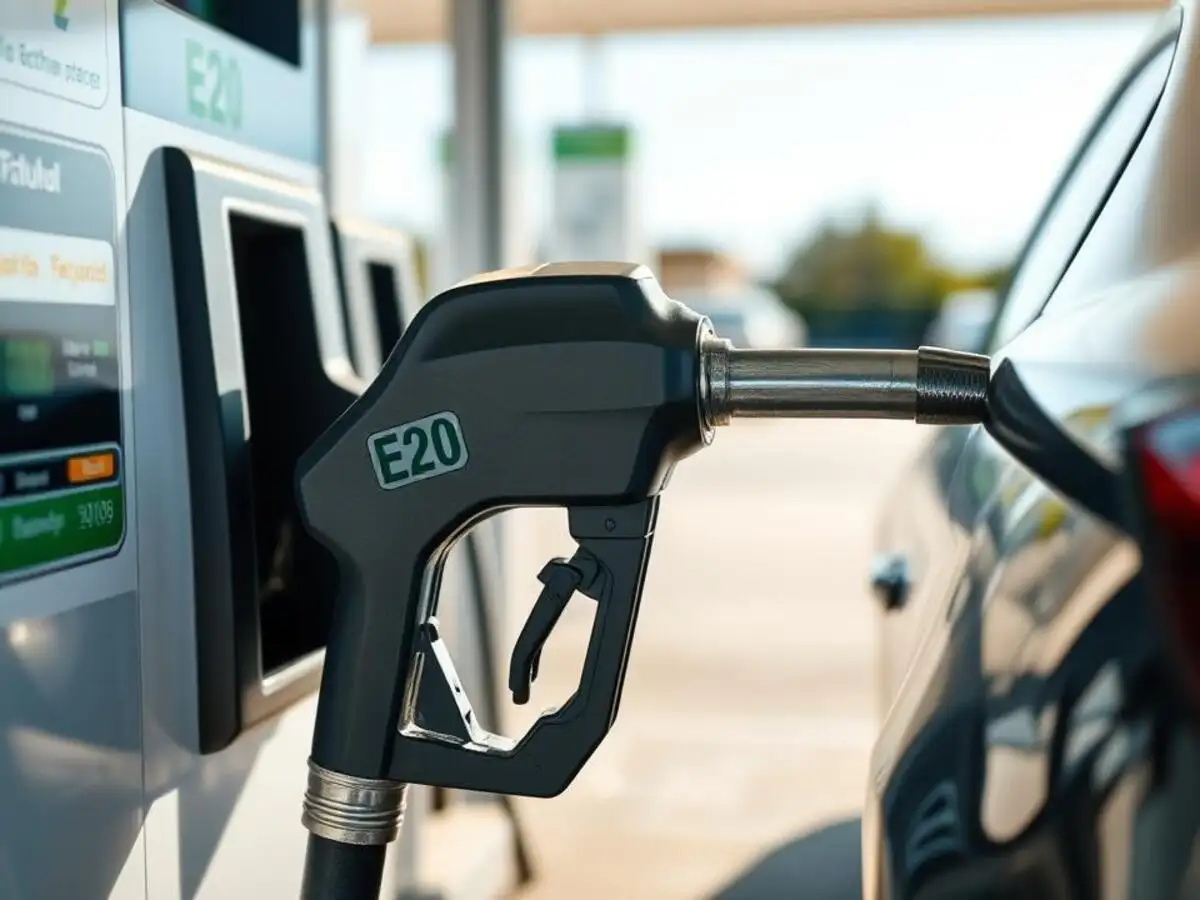
In recent times, the automotive and oil industries have been witnessing a significant shift with the increasing adoption of E20 fuel—a blend comprising 20% ethanol and 80% petrol. While this move is driven largely by environmental and energy sustainability goals, it has been met with some concerns regarding vehicle efficiency and mileage. Many consumers and industry experts initially viewed E20 as a potential factor leading to a marginal decline in mileage. However, when examined from a macroeconomic perspective, the advantages of adopting E20 extend far beyond individual vehicle performance, contributing positively to the nation’s economic stability.
The Impact of E20 on Vehicle Mileage
Understanding the Marginal Drop in Mileage
Numerous automotive studies and industry reports, such as those highlighted by CNBC TV18, suggest that the shift to E20 results in a slight reduction in fuel efficiency—generally within a few percentage points. This diminution is primarily due to the different energy content and combustion characteristics of ethanol compared to traditional petrol. Ethanol has a lower energy density, which naturally leads to marginally higher fuel consumption for the same distance traveled.
- Technical Explanation: Ethanol’s lower energy content means more fuel must be used to produce the same power output, affecting mileage.
- Vehicle Compatibility: Not all vehicles are optimized for higher ethanol blends; older engines may experience more pronounced efficiency drops.
- Operational Factors: Driving habits, maintenance, and fuel quality can influence the extent of mileage reduction.
Despite these technical aspects, the mileage drop observed with E20 is relatively minor and often acceptable when balanced against broader benefits.
Economic and Environmental Benefits of E20 Adoption
Why the Benefits Outweigh the Slight Performance Drop
The real significance of transitioning to E20 lies in its multifaceted benefits for the nation’s economy and environment. The reduced dependence on fossil fuels, decreased carbon emissions, and promotion of renewable energy sources position E20 as a strategic move towards sustainable development.
Some of the key benefits include:
- Enhancement of Renewable Energy Use: Ethanol is derived from agricultural crops like sugarcane, maize, and cellulose, promoting biomass utilisation and reducing reliance on imported oil.
- Boost to Agricultural Economy: The increased demand for ethanol feedstock provides farmers with new revenue streams, supporting rural livelihoods and rural infrastructure development.
- Reduction in Carbon Footprint: E20 reduces greenhouse gas emissions by displacing a portion of fossil fuels, aligning with global climate change mitigation commitments.
- Fiscal and Energy Security Benefits: Diversifying the fuel mix diminishes geopolitical and market risks, fostering national energy sovereignty.
Government Policies and Industry Adaptations
The Indian government and industry stakeholders recognize these advantages and have actively promoted the adoption of E20 through guidelines, subsidies, and infrastructure investments. Vehicle manufacturing companies have also adapted engine designs and fuel compatibility systems to efficiently run on E20 without significant performance issues. As a result, the transition is not only feasible but also beneficial for the broader economic landscape.
Industry Perspectives: Auto and Oil Industries on E20
The Auto Industry Viewpoint
Leading automotive players have conducted extensive testing to ensure the compatibility of existing vehicle fleets with E20. While some older vehicles may require modifications or precise calibration, most modern engines are designed or can be adapted to handle ethanol-blended fuels seamlessly. Industry experts highlight that any minor mileage reduction is an acceptable trade-off considering the long-term environmental and economic gains.
The Oil Industry Stance
The oil industry sees E20 as a strategic step towards sustainable energy use. Ethanol blending offers a way to reduce crude oil imports and boost domestic biofuel production. Oil companies are investing in infrastructure for ethanol distribution, blending facilities, and quality control measures to ensure smooth execution. Moreover, the industry is optimistic that scaling up ethanol blending will stabilize fuel prices and create new market dynamics.
Challenges and Mitigation Strategies
Though the transition offers numerous advantages, some challenges need attention:
- Vehicle Compatibility Concerns: Ensuring older vehicle models are certified for E20 use or providing necessary upgrades is crucial.
- Supply Chain and Infrastructure Development: Building adequate ethanol production, storage, and distribution infrastructure demands significant investment and planning.
- Consumer Awareness: Educating consumers and repair industries about ethanol compatibility and best practices is vital for widespread acceptance.
Addressing these challenges through technological innovation, policy support, and awareness campaigns will maximize the benefits of E20 implementation.
Conclusion: A Strategic Shift for Sustainable Growth
While E20 may lead to a marginal decrease in fuel economy, its overall benefits for the national economy and environment justify its widespread adoption. The move supports rural development, reduces dependence on fossil fuels, and aligns with global commitments to climate change mitigation. Industry stakeholders, policymakers, and consumers must collaborate to optimize the transition, ensuring minimal inconvenience while reaping long-term rewards. The slight mileage dip should be viewed as a small price for the substantial gains in energy security, environmental sustainability, and economic growth.
In essence, E20 serves as an important step towards a greener and more resilient energy future for the nation. Embracing these changes will pave the way for sustainable progress that benefits everyone, from farmers to urban consumers.
For more updated news please keep visiting Hourly Prime News.