

The Democratic Republic of the Congo (DRC) has recently faced another devastating Ebola outbreak, emphasizing the persistent threat this deadly virus poses to the region. As reports of increasing cases surface, neighboring countries are on high alert, recognizing the urgent need for coordinated intervention and robust vaccination campaigns. The outbreak not only underscores the ongoing public health challenges in central Africa but also highlights the critical importance of international collaboration in controlling and preventing future epidemics.
The Escalating Emergency in DRC
The recent Ebola outbreak in the DRC has rapidly gained momentum, with over 30 confirmed fatalities reported by the World Health Organization (WHO). The outbreak’s severity has caused alarm among health agencies, with countless individuals at risk of infection, especially in remote and underserved communities. The outbreak’s recurrence highlights the volatility of Ebola and the challenges in curbing its spread, especially in conflict-affected regions where healthcare infrastructure is often fragile.
Regional Impact and Neighboring Countries’ Concerns
As the outbreak escalates in Congo, neighboring countries are watching closely. According to Gavi, the Vaccine Alliance, the threat of cross-border transmission is significant, given the porous borders and active trade routes in the region. Countries such as Uganda, Rwanda, South Sudan, and Burundi have increased surveillance and prepared contingency plans to prevent the disease from spilling over their borders. This regional alert underscores the interconnected nature of public health and the necessity of proactive measures beyond national borders.
Vaccination Campaigns and Response Efforts
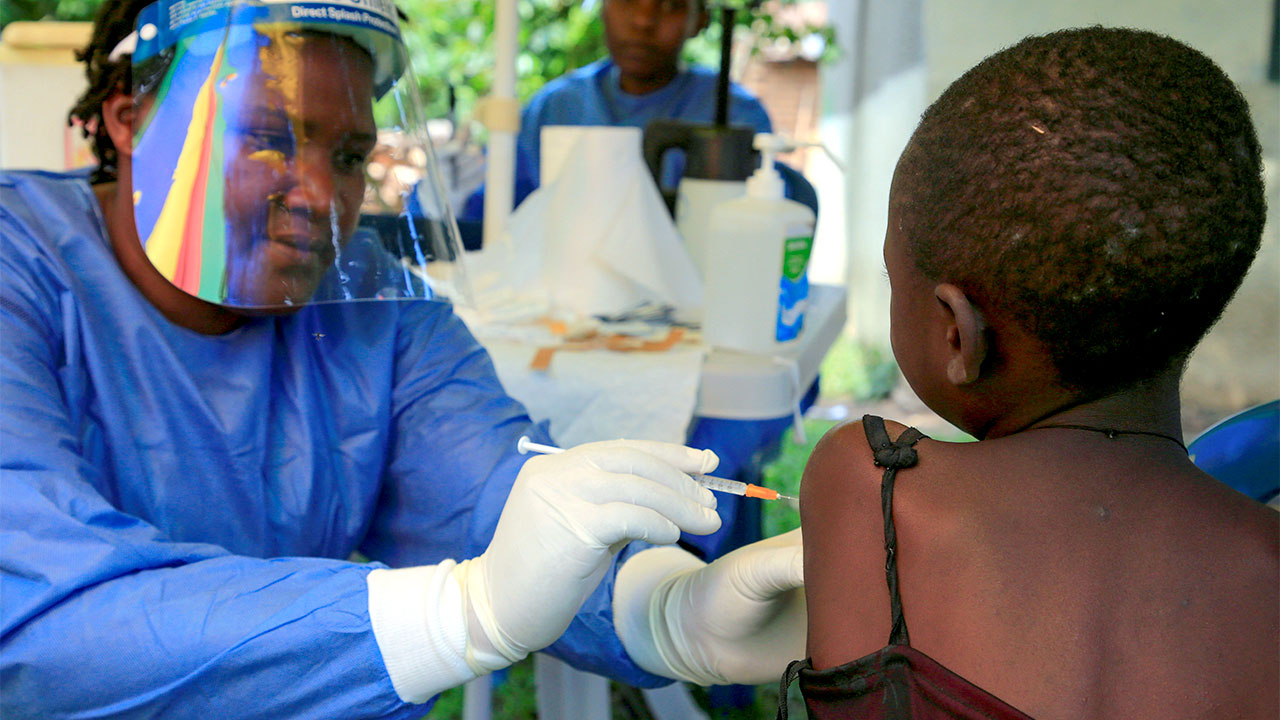
The WHO Regional Office for Africa announced the start of vaccination drives aimed at containing the outbreak. Vaccination has always been a primary tool in Ebola control strategies, offering extraordinary protection against the virus when deployed effectively. The recent vaccination efforts involve deploying the Ebola vaccine to targeted high-risk areas, including affected communities and health facilities.
Moreover, organizations like Gavi are actively supporting these campaigns by mobilizing resources, facilitating vaccine supply chains, and advocating for community engagement. The importance of rapid response through vaccination is clear: it can significantly reduce transmission rates, protect healthcare workers, and contain the outbreak at its source.
Challenges in Implementing Vaccination Programs
Despite the clear benefits, vaccination campaigns face numerous obstacles in the DRC. These include logistical hurdles due to difficult terrain, security concerns in conflict zones, misinformation among local populations, and vaccine hesitancy. These challenges can hinder rapid immunization, allowing the virus to spread further and complicate containment efforts.
International Support and Collaborative Efforts
Addressing the Ebola threat requires a concerted international effort. The WHO has called upon global health partners to provide financial, logistical, and technical support to strengthen response capabilities in the region. The Red Cross Federation has also issued urgent appeals for resources to expand outreach and support affected communities in Congo, emphasizing the need to act swiftly to prevent further spread.
The global response also involves sharing surveillance data, enhancing laboratory capacity for case detection, and reinforcing healthcare systems to manage and treat patients effectively. The collaborative efforts are crucial to prevent another large-scale outbreak similar to those that have plagued the region in the past.
The Human Toll and Societal Impact
The ongoing Ebola outbreak in the DRC has a profound human toll, with over 30 deaths reported. Families are devastated by loss, and fear continues to grip many communities. Beyond individual suffering, the outbreak disrupts local economies, hampers access to essential health services, and fuels mistrust toward health authorities.
Efforts are underway to engage community leaders and foster trust so that affected populations are willing to participate in vaccination drives and adhere to public health guidelines. Community engagement remains a cornerstone of effective outbreak response, ensuring that interventions are culturally sensitive and accepted.
Future Outlook and Prevention Strategies
While current containment efforts are vital, preventing future outbreaks requires a comprehensive approach that includes strengthening health systems, improving disease surveillance, and investing in community education. The experience from previous Ebola responses demonstrates that early detection and swift intervention are key to minimizing casualties and controlling outbreaks efficiently.
The development and deployment of effective vaccines provide hope for future prevention. Continued research into therapeutics and improved diagnostic techniques are equally important to bolster the region’s preparedness for any future threats.
Conclusion
The recent Ebola outbreak in the DRC has once again demonstrated the fragile state of public health in central Africa and the critical importance of regional cooperation, vaccination campaigns, and international solidarity. Addressing the current crisis requires a multi-faceted approach, combining immediate response measures with long-term strategies to build resilient health systems capable of withstanding future threats.
As the situation develops, sustained vigilance and collaborative action will be essential to protect lives, contain the virus, and prevent the resurgence of Ebola in this vulnerable region.
For more updated news please keep visiting Hourly Prime News.