

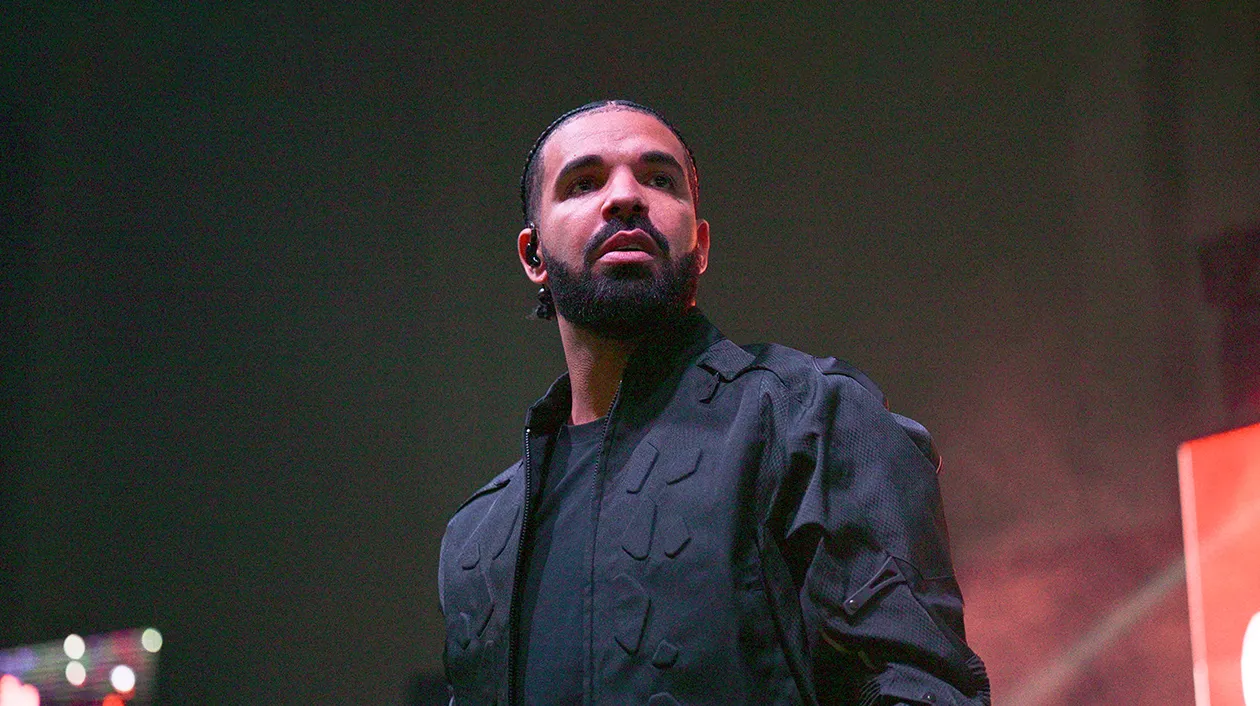
The music industry is no stranger to controversies, rumors, and intense media scrutiny. However, recent claims by one of its biggest stars, Drake, have sent ripples through the entertainment world. The Canadian rapper and singer has publicly accused several media outlets of *colluding* to tarnish his reputation through coordinated negative reviews of his music. This provocative assertion has opened up a larger conversation about the role of media in shaping public perception and the ethics behind music critique.
Unpacking Drake’s Allegations
What Did Drake Say?
According to sources, Drake alleged that certain media outlets, which are usually seen as arbiters of taste and quality, have been working together in a covert manner to deliver unfavorable reviews of his latest music projects. These reviews, Drake claims, are not based on honest critique but are part of a deliberate campaign to undermine his artistic reputation and influence public opinion against him.
By raising these allegations, Drake intends to highlight what he perceives as an orchestrated effort to diminish his impact and credibility. His statements suggest that the negative narrative around his recent releases is not coincidental but part of a larger conspiracy. Though specific media outlets have not been directly named, the implication points towards a possible collusion among well-known publications, critics, and online review platforms.
The Context Behind Drake’s Claims
Over the years, Drake has experienced both massive success and intense scrutiny. With multiple chart-topping albums, record-breaking streaming numbers, and a dedicated global fan base, he has become one of the defining artists of his generation. Yet, with this fame come critics and detractors eager to challenge his artistic legitimacy.
In recent months, some of his releases received overwhelmingly negative reviews from prominent critics and outlets. While music critics often hold varied opinions, Drake feels that the consistency and coordination of these reviews suggest something more insidious at play. This has led him to question the integrity of mainstream media and their impartiality when it comes to his work.
The Broader Implications of Media Collusion
Media Influence on Music and Artist Reputations
The influence of media reviews on an artist’s career is profound. Critical acclaim can propel an artist to new heights, while negative reviews can dampen album sales and diminish public perception. When critics and media outlets are perceived to be working in concert to manipulate perceptions, it raises serious concerns about fairness and transparency.
- Impact on Album Sales and Streaming: Negative reviews often affect consumer choices, influencing whether fans choose to purchase or stream a new release.
- Artist Mental Health: Consistent negative criticism, especially if perceived as unjustified, can take a toll on an artist’s mental well-being and confidence.
- Public Trust in Media: Collusion rumors can erode public trust in critics and journalists, leading to skepticism about all reviews and media messages.
Historical Cases of Media Bias and Manipulation
The entertainment industry is no stranger to accusations of media bias. In the past, numerous artists, actors, and musicians have claimed they were unfairly targeted or promoted based on political, personal, or business reasons. Some have even pointed out how certain media outlets have agendas that influence their coverage.
In Drake’s case, these allegations reignite fears that the contemporary digital era’s rapid dissemination of information and critique might sometimes lead to coordinated attacks rather than genuine reviews. This scenario is compounded by the rise of social media platforms, where public opinion can be swayed swiftly and widely, often adversarially.
Reaction from the Music Community
Public and Industry Responses
The response to Drake’s claims has been mixed. Fans largely support their favorite artist, criticizing what they see as unjust negative narratives. Some industry insiders have voiced skepticism about the plausibility of media collusion, emphasizing that critics are diverse and operate independently. However, others acknowledge that the competitive nature of the music industry can sometimes foster bias and even strategic negative campaigning.
Impact on Future Media Coverage
If Drake’s allegations gain traction, it could lead to a broader reassessment of how music reviews are conducted and published. This might inspire media outlets to adopt more transparent review processes or encourage independent and diverse critic panels to ensure fairer coverage.
What Can Artists Do in Such Situations?
Artists facing similar accusations can adopt several strategies:
- Engage with Fans Directly: Using social media and personal platforms to communicate directly can bypass potential media biases.
- Build Independent Critical Relationships: Cultivating relationships with independent critics who prioritize honesty can help counteract negative narratives from mainstream outlets.
- Focus on Authenticity: Continuing to produce genuine, high-quality music can ultimately rebuild trust, regardless of media spin.
The Road Ahead
The controversy surrounding Drake’s allegations underscores a vital conversation about fairness, transparency, and ethics in music journalism. While accusations of collusion are serious, they also prompt the industry to reflect on how criticism is delivered and perceived. As fans, industry members, and artists navigate this complex landscape, the emphasis should remain on integrity, authenticity, and a dedication to truthful representation.
Only time will tell whether Drake’s claims will catalyze meaningful changes in media practices or if they will fade amid ongoing discussions about influence and power in the entertainment world.
Regardless, Drake’s bold stance has sparked an important debate that extends beyond his personal career, touching on fundamental questions about independent journalism, artistic fairness, and freedom of expression.
For more updated news please keep visiting Hourly Prime News.