

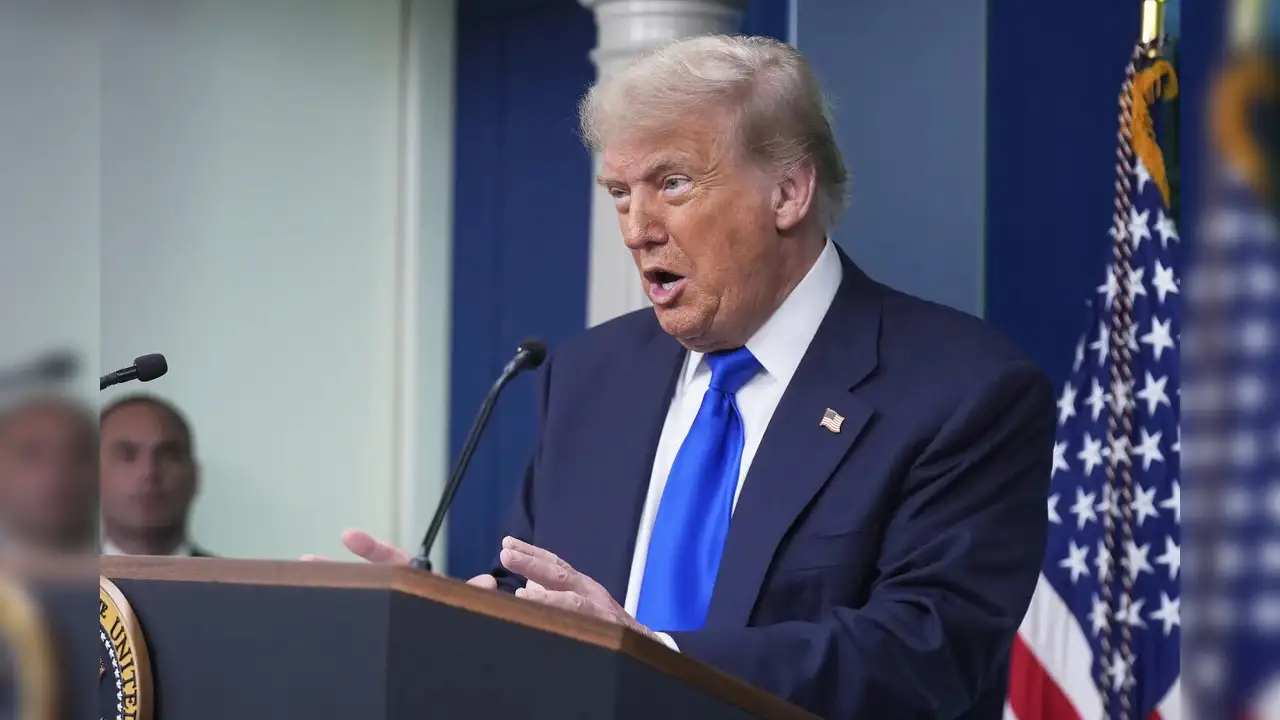
In a decisive move that has garnered widespread attention globally, former U.S. President Donald Trump announced that the United States has prepared tariff letters for a total of 12 countries, with a deadline set for July 9. This development signals a strategic shift in America’s trade policies amid ongoing trade tensions and negotiations. The timing and tone of Trump’s statement suggest a firm stance, emphasizing that the U.S. is prepared to implement these tariffs if demands are not met or agreements are not reached.
The Context Behind the Tariff Strategy
The announcement comes amidst a backdrop of intricate trade negotiations involving the United States and multiple countries. Over recent months, there has been heightened speculation about the potential for increased tariffs as a tool for bargaining, protecting domestic industries, or retaliating against perceived unfair trade practices. Trump’s phrasing—”Take it or leave it”—underscores a stance of firmness, signaling that the U.S. is willing to impose tariffs unilaterally if necessary.
According to sources such as Times of India, the move appears to be part of a broader US strategy to recalibrate trade relations and assert economic leverage.
Details of the Tariff Letters & Expected Timeline
President Donald Trump confirmed that the tariff letters for these 12 nations are confirmed and scheduled to be dispatched on July 7, just two days before the impending deadline. This careful timing highlights the administration’s intent to keep negotiations active while maintaining pressure.
The countries involved are reportedly key trade partners or nations with which the U.S. has ongoing disputes. While specific nations have not been officially disclosed in detail, reports, including from The Hindu— the focus is to allow for a window of negotiations and to prepare industries and governments for potential tariff implementation.
Implications for Global Trade & International Relations
This move is likely to have ripple effects in global markets, affecting commodity prices, supply chains, and bilateral relations. Countries may respond with retaliatory measures, leading to a possible escalation of trade tensions. The firm stance and readiness to impose tariffs reflect the Trump administration’s approach to leverage trade negotiations, often favoring unilateral actions over multilateral consensus.
For nations like India, which are actively engaged in trade discussions with the U.S., this announcement signals the need for heightened diplomatic efforts and strategic preparations. As reported by NDTV, the upcoming tariffs could reshape trade relations and influence policy decisions across borders.
Potential Outcomes & Future Developments
Depending on the responses from the targeted countries, several outcomes are possible:
- Negotiated Agreements: Countries may come to the negotiating table, resulting in trade concessions or phased tariff reductions.
- Retaliatory Tariffs: Targeted nations might impose their own tariffs, escalating trade barriers.
- Prolonged Tensions: If no resolution is reached, ongoing trade disruptions could affect global markets and economic growth.
- Diplomatic Strains: Political relations could experience stress, influencing diplomatic engagements on multiple fronts.
The upcoming days will be crucial in shaping the trajectory of US trade policy. Experts suggest that the clarity and firmness of the July 9 deadline indicate that the Trump administration intends to strongly assert its positions, possibly leveraging tariff implementation as a bargaining chip in ongoing negotiations.
Conclusion
Donald Trump’s announcement of readiness to send tariff letters to 12 countries underscores a pivotal moment in the US’s trade policy. As deadlines loom, global markets and governments watch closely. The strategy emphasizes resilience and negotiation readiness but also keeps open the possibility of escalating tariffs, which could have enduring impacts on international economic relations. Whether this approach leads to fruitful agreements or trade tensions will depend on the responses from these nations in the coming days.
One thing remains clear: the US aims to maintain its leverage in trade negotiations, with the August deadline a critical juncture. Stakeholders across the globe must stay attentive to developments and prepare for a range of scenarios, from diplomatic resolutions to potential economic disruptions.