
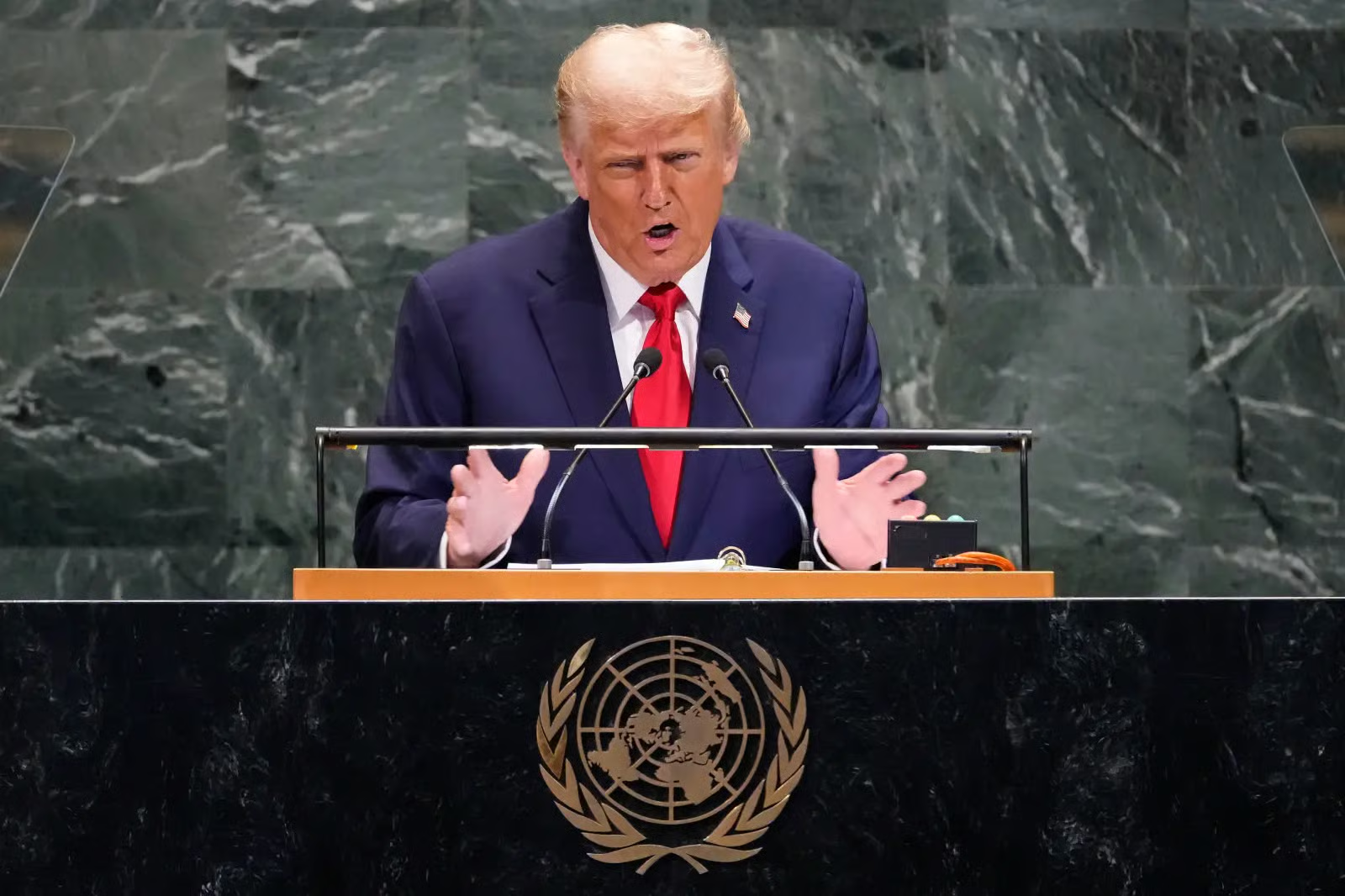
In a departure from typical diplomatic speeches, former President Donald Trump delivered a notably provocative and unorthodox address at the United Nations General Assembly. His speech was characterized by sharp language, sharp contrasts with prior diplomatic standards, and a populist tone that resonated with his supporters and sparked widespread media debate. Trump’s comments reflected deep-seated frustrations with the current state of the UN and Western nations’ approach to global issues, underscoring his populist critique of international institutions he perceives as inefficient, biased, or overly ideologically driven.
Major Highlights of Trump’s Fiery Speech
1. A Stark Rebuke of the UN’s Functionality
One of the most striking aspects of Trump’s address was his outright harsh criticism of the effectiveness of the UN. He lambasted the organization for what he called its “broken systems,” implying that it has become an arena where politics overshadow genuine progress. His warning was direct: the UN, as he alleged, has failed to deliver on its promises, often becoming a platform for rhetoric rather than concrete action. Trump symbolically called out “a broken escalator,” referring to what he perceives as a malfunctioning structure that is integral to international diplomacy but currently misfiring.
2. Mocking the Technology and Presentation of the United Nations
Breaking from the usual diplomatic decorum, Trump mocked the UN’s teleprompter and the “bad escalator”. His words appeared to highlight the organization’s reliance on technology, which he decried as failing or malfunctioning during previous speeches. The imagery of a broken escalator became a metaphor for what he perceives as the organization’s inability to progress or ascend effectively. His sarcastic comments about the teleprompter, often a symbol of political correctness, conveyed his disdain for what he called “ scripted” speeches that he claimed lack authenticity.
3. Allegations of Hypocrisy and Western Nations’ Role in Migration
In a particularly fiery segment, Trump addressed migration issues, publicly confronting the UN and Western countries. He asserted, “You all are going to Hell”, accusing Western nations of irresponsibly enabling uncontrolled migration and failing to uphold their responsibilities. He argued that Western countries, particularly those in Europe and North America, have been complicit in what he labels as the “destruction” of their borders and societal structures. This segment marked a sharp departure from diplomatic language, emphasizing his nationalist and anti-immigration stance.
4. The Audience’s Changing Reaction: From Laughter to Silence
A significant moment was the noticeable shift in the UN audience’s response to Trump’s speech. BBC reports that “six years ago, Trump’s audience laughed during his speech”; this year, they were met with silence. The muted reaction suggested that his tone and content had become more confrontational and controversial, possibly indicating a shift in diplomatic norms or a recognition of his unapologetic style. The silence underscored the divisive nature of his rhetoric — some saw it as honest and bold, others as inappropriate for a diplomatic setting.
5. Outlandish Comments and Disruptions
Among the most talked-about moments was Trump’s mockery of the teleprompter and escalator malfunction. He purportedly called out the UN for “whoever’s operating this” and suggested that technical failures reflect the broader dysfunction of the organizations. His candid remarks, which many media outlets described as “rambling,” displayed his penchant for detaching from scripted diplomacy and instead adopting a more visceral, unfiltered approach. This approach not only drew headlines but also intensified debates about the appropriateness of such rhetoric at a global diplomatic forum.
Implications of Trump’s Speech for International Diplomacy
Trump’s speech exemplifies a broader trend of populist leaders challenging the status quo of international diplomacy. His unorthodox approach, mixing sarcasm, outrage, and hyperbole, signals a shift away from diplomatic politeness towards a more confrontational and media-centric style. While some analysts see this as a necessary break from bureaucratic stagnation, others warn it could undermine the diplomatic decorum essential for constructive global dialogue.
Rhetorical Strategy and Audience Engagement
By mocking technological failures and criticizing organizations openly, Trump aimed to appeal to his core supporters who are skeptical of elite institutions. His strategy involved using humor and satire to highlight what he views as organizational failures, thereby bolstering his image as an outsider willing to expose uncomfortable truths. However, this also risks alienating traditional allies and diplomatic partners who value consensus and decorum over spectacle.
Broader Media Impact
The coverage of Trump’s speech centered mostly on his exaggerated comments about the UN and his inflammatory language. Media outlets analyzed his approach as a blend of political theatre and genuine critique, leading to polarized interpretations. Supporters praise his refusal to be politically correct, while critics argue that such rhetoric damages diplomatic efforts and international cooperation.
Conclusion: A Trump-Style Departure from Diplomatic Norms
Donald Trump’s fiery speech at the UN exemplifies his distinctive departure from traditional diplomatic conduct, characterized by blunt language, sarcasm, and provocative stances. Whether viewed as a necessary shake-up or a threat to international order, his speech undeniably marked a historic moment in UN history — one where the usual decorum was replaced by raw, unfiltered rhetoric. As global leaders and diplomats digest his comments, the question remains: will such bold speeches influence future international diplomacy, or will they be seen merely as transient disruptions?
In any case, Trump’s UN address leaves a lasting imprint, illustrating how populist rhetoric continues to shape the geopolitical landscape, challenge established norms, and provoke both controversy and debate worldwide.
For more updated news please keep visiting Hourly Prime News.