

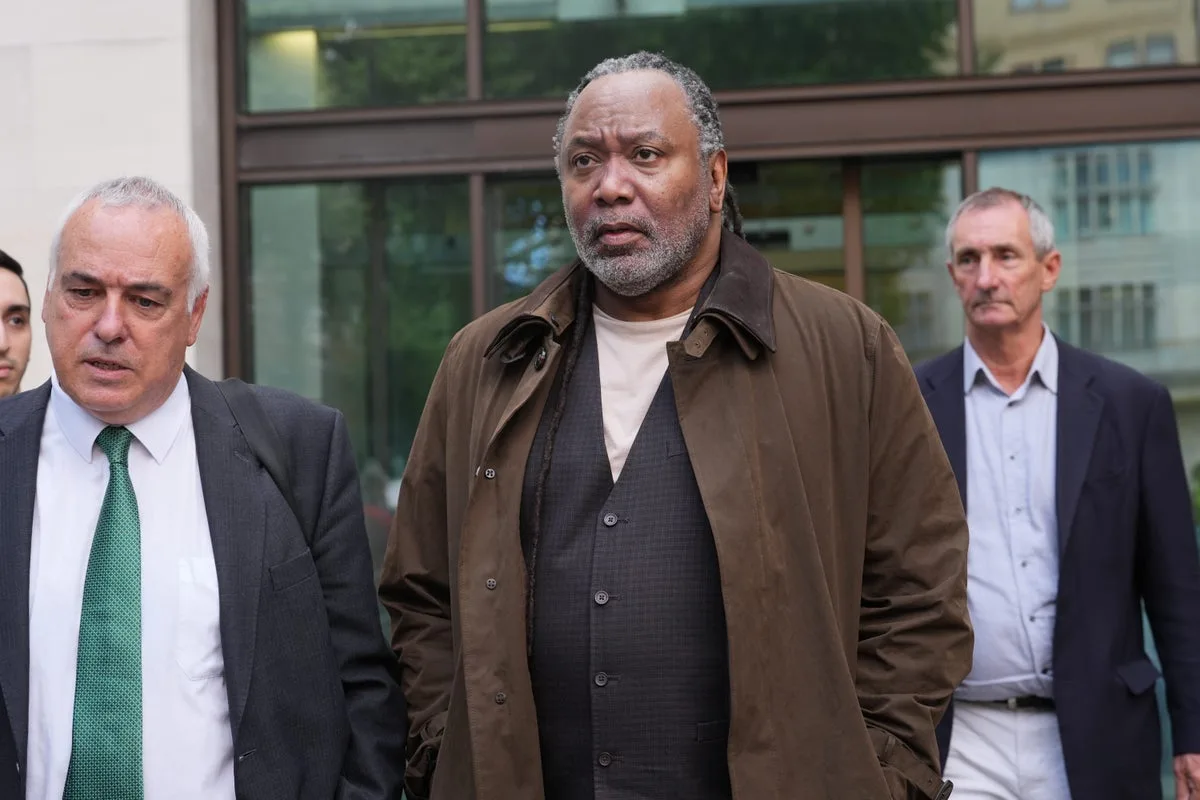
The Controversy Surrounding Reginald D Hunter
In recent weeks, the world of comedy and entertainment has been abuzz with the news of Reginald D Hunter, the renowned comedian, appearing in court over social media posts. The incident has sparked widespread discussion about the boundaries of free speech, social media responsibility, and the potential legal repercussions that can arise from online expressions.
Reginald D Hunter, known for his sharp wit, insightful commentary, and fearless approach to sensitive issues, found himself embroiled in legal proceedings after a series of posts shared on his social media platforms. Though traditionally celebrated for his comedy routines, these posts have now taken center stage in a controversy that questions the limits of expression and accountability in the digital age.
The Details of the Court Appearance
The Allegations
The allegations against Hunter stem from social media content where he expressed controversial opinions on various topics, including politics, culture, and social sensitivities. According to reports from The Mirror, an image of the court proceedings reveals that Hunter was summoned amidst serious legal concerns.
Public and Fan Reactions
The reaction from the public has been mixed. Many fans and supporters view Hunter as a victim of overreach and censorship, emphasizing the importance of comedy as a form of free expression. Others argue that provocative social media posts can cross lines, leading to real-world repercussions. The debate underscores the ongoing tension between individual rights and societal sensitivities in an increasingly digital world.
Legal and Social Implications
This case opens up broader discussions about the role of social media platforms as both a tool for free speech and a potential legal battleground. It raises important questions:
- Where is the line between free expression and harmful speech?
- What responsibilities do public figures have regarding their online posts?
- How do legal systems address social media content that is considered offensive or inciting?
Legal experts point out that laws regarding hate speech, defamation, or incitement can vary widely across jurisdictions. In Hunter’s case, authorities appear to be applying existing regulations designed to prevent hate crimes and protect individual dignity. This situation highlights the delicate balance courts must maintain between protecting free speech and curbing hate or misinformation.
The Impact on Reginald D Hunter’s Career
For Hunter, the legal proceedings are just the latest chapter in a career that has seen both high praise and controversy. Known for tackling taboo topics with humor, Hunter has often challenged societal norms and provoked discussions. However, the court appearance could have lasting effects:
- Potential legal penalties or fines, depending on the outcome.
- Damage to his reputation, which may influence his future engagements.
- Public perception shifting between viewing him as a hero of free speech or as reckless.
Regardless of the verdict, Hunter has expressed his stance on social media, emphasizing that his posts represented his honest opinions and that he values open dialogue. Nevertheless, the incident underscores the importance of understanding the power and reach of online spaces.
Broader Context: Comedy, Censorship, and Society
This case is not isolated but part of a larger global debate about comedy and free speech. Historically, comedians have pushed boundaries to challenge societal taboos and foster dialogue. Yet, as social media amplifies voices exponentially, the line between provocative humor and offensive content becomes increasingly blurry.
Countries worldwide are grappling with how to regulate online speech without stifling creativity. Some nations have implemented strict laws that criminalize hate speech or offensive remarks, while others uphold more liberal policies to protect free expression. Hunter’s court case exemplifies these tensions and the potential consequences for public figures operating in this complex landscape.
Conclusion: A Moment of Reflection
The legal proceedings involving Reginald D Hunter serve as a poignant reminder of the evolving responsibilities that come with being a public figure in the digital age. While comedy continues to be a vital form of social commentary, creators and influencers alike must navigate the fine line between freedom of speech and social responsibility.
This incident encourages ongoing discourse: How should societies balance the right to free expression with protecting citizens from harmful content? And what role do courts play in mediating this delicate balance?
As the case develops, it remains a significant cultural touchstone for discussions about censorship, art, and individual rights in a connected world.
For more updated news please keep visiting Hourly Prime News.